




- omer bar
- •
- 6 Min Read
- •
- 14 seconds ago


Key Points
- Crude oil reaches its highest level since May: Oil climbed to around $103.50 a barrel on Tuesday after gaining 1.3% in the previous session.
- Saudi pipeline disruption remains central: The shutdown of the East-West pipeline has removed an important alternative export route, potentially increasing Saudi Arabia’s dependence on the Strait of Hormuz.
- Diplomatic progress is providing some offset: A proposed Russia-Ukraine energy truce and Turkey’s efforts to reduce attacks on Black Sea shipping could eventually ease some supply concerns.
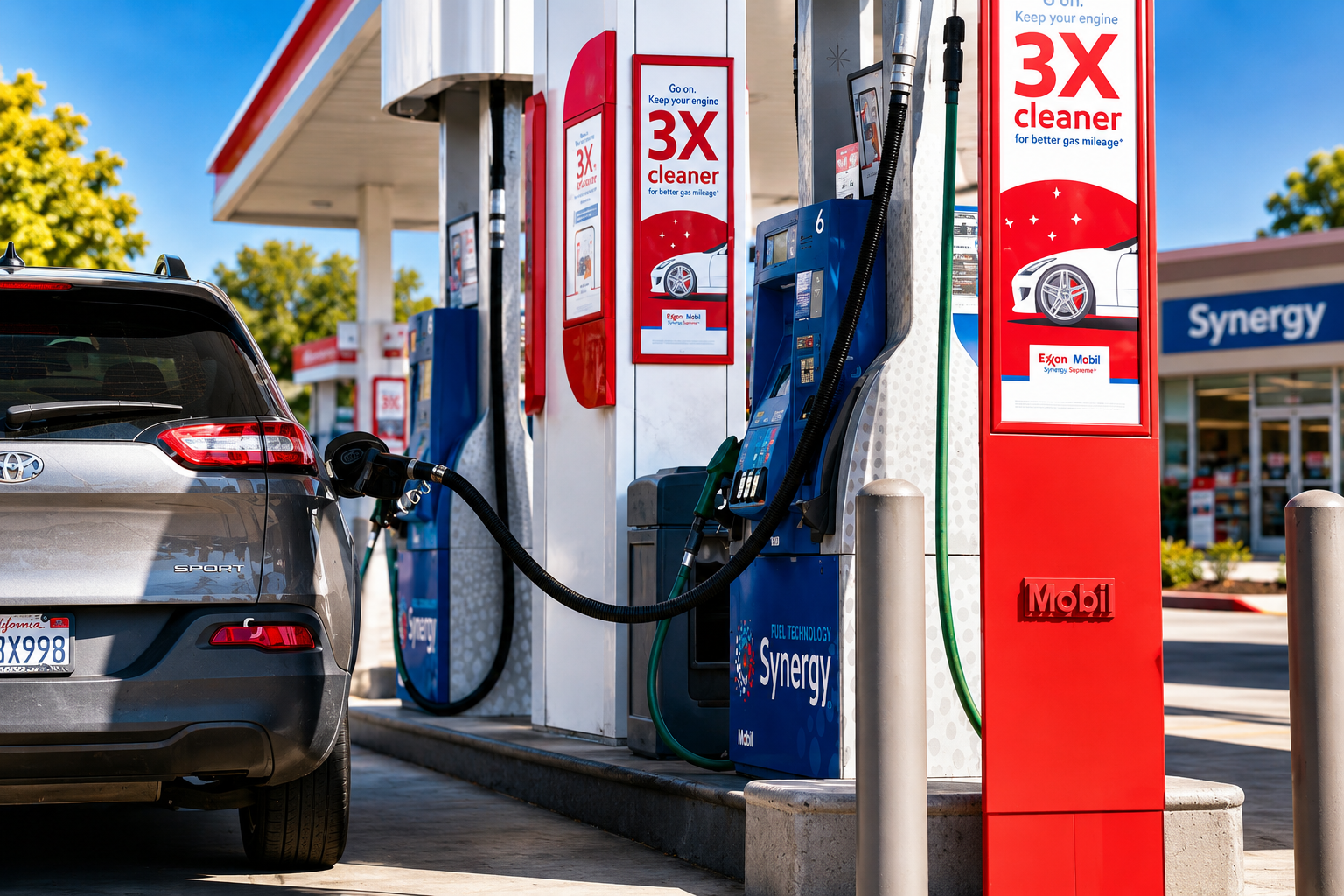
Crude oil extended its rally into a second consecutive session on Tuesday, with prices approaching $103.50 a barrel as Middle Eastern supply disruptions continued to outweigh signs of improving diplomatic conditions between Russia and Ukraine. The move puts energy markets back under pressure as traders assess how long key infrastructure constraints could remain in place.
Why Is Saudi Arabia Driving the Oil Risk?
The East-West pipeline shutdown in Saudi Arabia has become a central concern for crude traders. The infrastructure provides an alternative route for exporting Saudi oil without relying entirely on the strategically important Strait of Hormuz. With the pipeline offline, that flexibility has been reduced at a time when shipping risks around the region remain elevated.
Riyadh is reportedly seeking to increase crude shipments through the Strait while repairs continue. However, if restoration takes several weeks, the temporary loss of the pipeline could leave a larger share of Saudi exports exposed to conditions in the strategic waterway. U.S. Energy Secretary Chris Wright has indicated that he expects operations to resume soon, but the timing remains important for markets.
Could Hormuz Exposure Keep Oil Prices Elevated?
The market’s reaction suggests that traders remain more concerned about immediate physical supply risks than about diplomatic developments elsewhere. The combination of infrastructure damage and greater dependence on the Strait of Hormuz creates a potentially tighter supply environment if disruptions persist.
The key issue is therefore duration. A short-lived pipeline outage could have limited long-term consequences if repairs proceed quickly. A prolonged shutdown, however, could force exporters to rely more heavily on alternative transportation routes and increase the geopolitical premium embedded in crude prices.
Can Russia-Ukraine Diplomacy Ease the Pressure?
Diplomatic developments are offering a counterweight to the Middle East supply concerns. U.S. President Donald Trump announced a truce covering strikes against Russian and Ukrainian energy facilities, potentially reducing the risk of further damage to critical energy infrastructure.
Turkey is also attempting to broker an agreement between Kyiv and Moscow aimed at ending attacks on Black Sea shipping. Any meaningful reduction in attacks could improve the outlook for energy transportation and remove part of the geopolitical premium currently supporting oil prices.
What Could Determine the Next Move in Crude?
Oil markets are now balancing two opposing forces: improving diplomatic prospects in the Russia-Ukraine conflict and persistent physical supply risks in the Middle East. If Saudi Arabia restores the East-West pipeline quickly, some of the pressure could ease. Conversely, an extended outage combined with restricted Hormuz traffic could keep crude above $100 and increase inflation risks for energy-importing economies.
For investors, the next major signals will be the pace of pipeline repairs, Saudi export flows through Hormuz and whether the proposed Russia-Ukraine energy truce translates into a sustained reduction in infrastructure and shipping attacks. Until those risks become clearer, elevated oil prices could remain a significant source of volatility across global markets.
Comparison, examination, and analysis between investment houses
Leave your details, and an expert from our team will get back to you as soon as possible
* This article, in whole or in part, does not contain any promise of investment returns, nor does it constitute professional advice to make investments in any particular field.
To read more about the full disclaimer, click here
- omer bar
- •
- 8 Min Read
- •
- ago 17 hours
SKN | Exxon Mobil Shuts Joliet Refinery After Power Outage as US Fuel Markets Remain Tight
Exxon Mobil took its Joliet, Illinois, refinery offline on September 14 after a power outage disrupted operations at the
- ago 17 hours
- •
- 8 Min Read
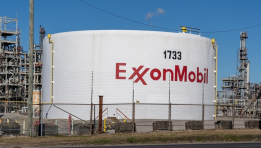
Exxon Mobil took its Joliet, Illinois, refinery offline on September 14 after a power outage disrupted operations at the

- sagi habasov
- •
- 6 Min Read
- •
- ago 3 days
SKN | US Solar Tariffs Escalate as Washington Targets Asian Imports and Reshapes Clean Energy Supply Chains
The United States has intensified its efforts to protect domestic solar manufacturing by imposing significant new trade barriers on
- ago 3 days
- •
- 6 Min Read

The United States has intensified its efforts to protect domestic solar manufacturing by imposing significant new trade barriers on
- omer bar
- •
- 7 Min Read
- •
- ago 4 days
SKN | Oil Prices Stay Above $100 as Supply Disruptions Drive 8% Weekly Gain and U.S. Diesel Hits Record
Oil prices declined on Friday but remained on course for their strongest weekly advance in months as escalating disruptions
- ago 4 days
- •
- 7 Min Read

Oil prices declined on Friday but remained on course for their strongest weekly advance in months as escalating disruptions
- omer bar
- •
- 7 Min Read
- •
- ago 4 days
SKN | Could Diesel Prices Above $6 Trigger Another Wave of Inflation for U.S. Consumers?
Why Diesel Has Become a Broader Economic Problem Diesel has crossed a critical price threshold in the United States, with
- ago 4 days
- •
- 7 Min Read
Why Diesel Has Become a Broader Economic Problem Diesel has crossed a critical price threshold in the United States, with
