




- orshu
- •
- 8 Min Read
- •
- 2 months ago


Key Points
- 52% of U.S. adults now say they are more concerned than excited about the growing use of AI, up from 37% in 2021.
- 71% of Americans expect AI to lead to fewer jobs over the next 20 years, highlighting the widening gap between public sentiment and industry expectations.
- Warnings from Anthropic CEO Dario Amodei and OpenAI CEO Sam Altman are adding to a broader debate over AI safety, employment, regulation, and the pace of technological development.
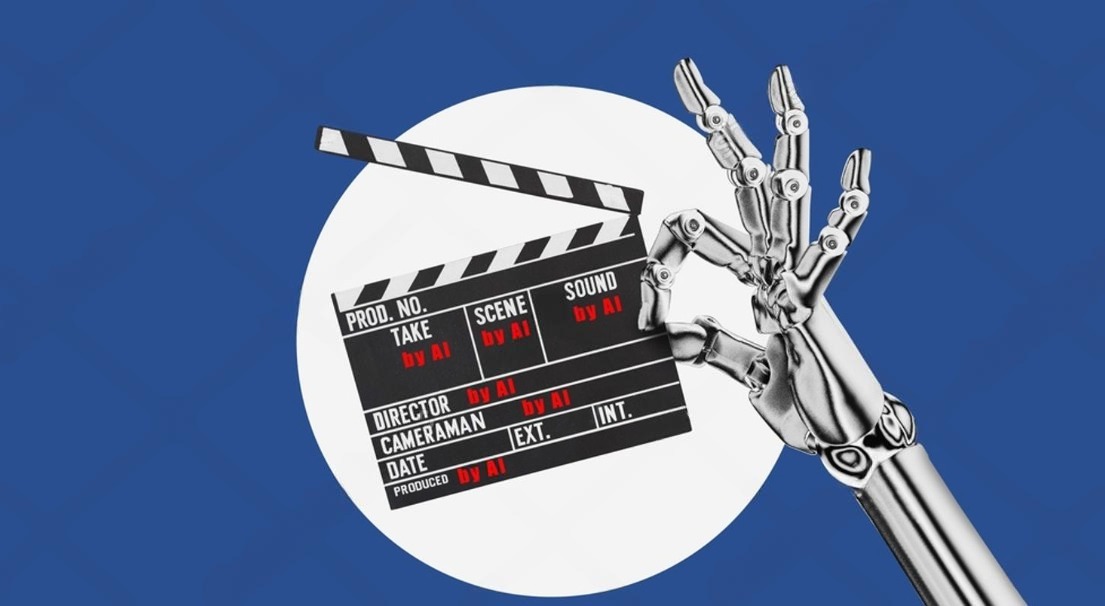
The rapid expansion of artificial intelligence is increasingly being accompanied by a shift in public sentiment, with concerns over employment and social disruption becoming more prominent. Recent data show that AI anxiety is rising even as technology companies continue to invest heavily in infrastructure and advanced models, creating an increasingly important gap between the economic promise of AI and how the public perceives its risks.
The development comes as leading AI executives, including Anthropic CEO Dario Amodei and OpenAI CEO Sam Altman, have intensified warnings about the risks associated with increasingly capable systems. Amodei recently called for a slower pace of frontier AI development, while Altman endorsed greater safety measures and coordination.
Public Concern Has Risen Sharply
Data from the Pew Research Center provide a clear indication of the changing public mood. In a June 2026 survey, 52% of U.S. adults said they were more concerned than excited about the increasing use of AI in daily life, compared with 37% in 2021. Only 9% said they were more excited than concerned, while 37% expressed an equal mix of optimism and concern. Among adults aged 18 to 29, concern reached 55%, compared with 31% in 2021.
Employment represents an even stronger source of anxiety. The Pew survey found that 71% of Americans believe AI will lead to fewer jobs in the United States over the next 20 years, up from 64% in 2024. Among younger adults, the figure increased to 73%, indicating that concerns are not limited to workers approaching retirement but are becoming increasingly relevant to the next generation entering the labor market.
Amodei and Altman Change the AI Risk Debate
The warnings from technology executives have helped move AI risk from a largely technical discussion into a broader economic and policy debate. Amodei has argued that frontier systems should be developed at a more controlled pace, proposing independent safety evaluations and greater international coordination. Altman has supported the principle of additional safeguards, illustrating that concerns about AI risks are now being expressed from inside the industry’s largest companies.
However, the relationship between executive warnings and actual economic outcomes remains uncertain. Earlier predictions of an immediate white-collar employment shock have not yet translated into an economy-wide collapse in office employment, and both Amodei and Altman have subsequently moderated some of their earlier employment forecasts. This suggests that AI disruption may be substantial without necessarily following the most extreme timelines previously discussed.
Investment Implications Extend Beyond Technology
For investors, the changing perception of AI could become an increasingly important factor in technology valuations and capital allocation. The debate is no longer limited to semiconductor demand or software adoption; it increasingly encompasses cybersecurity, regulation, labor productivity, infrastructure spending, and corporate governance. Recent market reactions illustrate this broader transition, with AI-related stocks facing pressure while cybersecurity companies benefited from expectations of greater spending on protection against AI-enabled threats.
For Israeli investors and institutional asset allocators, the issue is particularly relevant because global technology exposure is widespread across pension portfolios, ETFs, and international equity mandates. The long-term opportunity remains significant if AI improves productivity and creates new markets, but valuation risk, regulatory intervention, labor-market disruption, and the enormous capital requirements of the AI buildout could produce greater dispersion between companies and sectors.
Outlook: The next phase of the AI investment cycle is likely to depend increasingly on whether technological progress can be matched by measurable productivity gains, credible safety frameworks, and sustainable economic returns. Public confidence will remain a critical variable, particularly if concerns over employment continue to rise. At the same time, a more disciplined approach to AI development could reduce some systemic risks without eliminating the technology’s potential economic benefits. For investors, monitoring the gap between AI expectations and measurable business outcomes may become as important as tracking model capabilities themselves, while geopolitical competition, regulatory fragmentation, and elevated technology valuations remain important downside risks.
Comparison, examination, and analysis between investment houses
Leave your details, and an expert from our team will get back to you as soon as possible
* This article, in whole or in part, does not contain any promise of investment returns, nor does it constitute professional advice to make investments in any particular field.
To read more about the full disclaimer, click here
- Ronny Mor
- •
- 7 Min Read
- •
- ago 3 hours
SKN | Anthropic’s Post-Debut Stumble Delivers a Reality Check for the AI Trade
Anthropic’s much-anticipated arrival on Wall Street failed to deliver the boost many investors had hoped would reignite enthusiasm for
- ago 3 hours
- •
- 7 Min Read
Anthropic’s much-anticipated arrival on Wall Street failed to deliver the boost many investors had hoped would reignite enthusiasm for

- sagi habasov
- •
- 7 Min Read
- •
- ago 3 hours
SKN | Nvidia Faces SEC Scrutiny Over Potential Accounting Issues as Legal Pressure Mounts
Nvidia is facing a new regulatory challenge after the U.S. Securities and Exchange Commission began examining potential accounting issues
- ago 3 hours
- •
- 7 Min Read
Nvidia is facing a new regulatory challenge after the U.S. Securities and Exchange Commission began examining potential accounting issues

- Lior mor
- •
- 6 Min Read
- •
- ago 18 hours
SKN | Oracle Says OpenAI Infrastructure Deal Is Fully Funded After $20 Billion Capital Raise
Oracle has sought to reassure investors that its growing artificial intelligence infrastructure commitments are adequately financed, saying its major
- ago 18 hours
- •
- 6 Min Read
Oracle has sought to reassure investors that its growing artificial intelligence infrastructure commitments are adequately financed, saying its major
- Lior mor
- •
- 6 Min Read
- •
- ago 19 hours
SKN | Waymo Recalls Robotaxis Over Closed Freeway Lanes and Manual Traffic Control
Waymo Addresses Autonomous Driving Safety Concerns Waymo, Alphabet's self-driving vehicle unit, announced two safety recalls involving its robotaxis after incidents
- ago 19 hours
- •
- 6 Min Read

Waymo Addresses Autonomous Driving Safety Concerns Waymo, Alphabet's self-driving vehicle unit, announced two safety recalls involving its robotaxis after incidents
