





- Ronny Mor
- •
- 6 Min Read
- •
- 18 minutes ago


Key Points
- Ford is expanding the 2027 F-150 lineup with hands-free towing capability through BlueCruise and broader availability of the 5.0-liter V8.
- The truck will replace the outgoing 2.7-liter EcoBoost V6 with a new 3.0-liter EcoBoost V6, while retaining 3.5-liter V6 and hybrid options.
- The changes highlight Ford's strategy of emphasizing customer choice, utility and towing capability while the auto industry reassesses the pace of its electrification strategy.
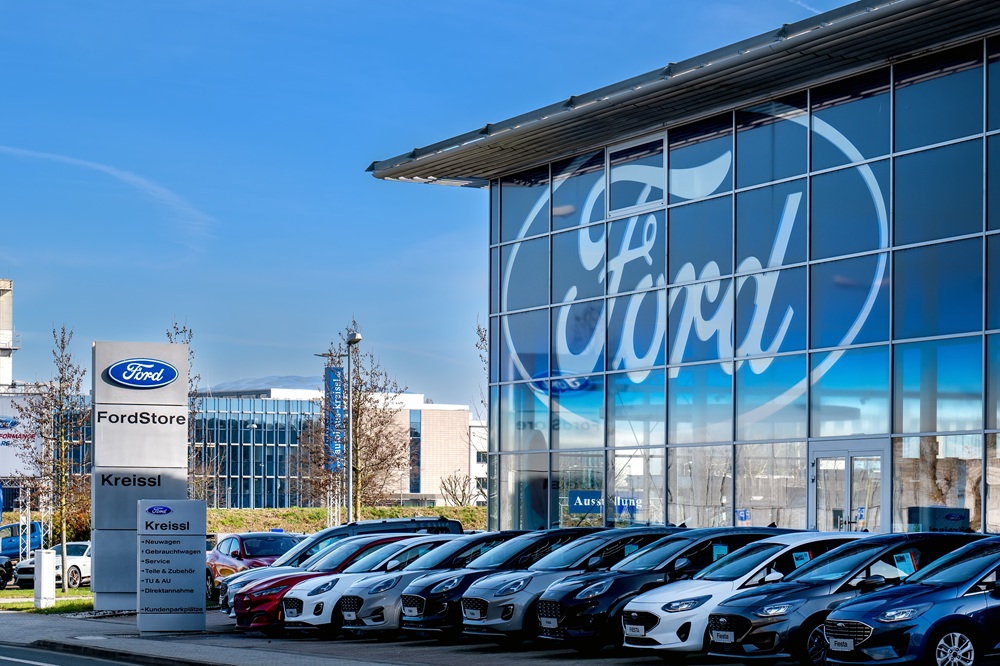
Ford is reshaping its 2027 F-150 lineup around a combination of traditional powertrain choices and new driver-assistance technology, reflecting a broader shift in the U.S. auto market toward meeting varied consumer demand. The updated pickup will add hands-free towing functionality to Ford’s BlueCruise system, expand access to the 5.0-liter V8, and introduce a new 3.0-liter EcoBoost V6 as the standard engine for many configurations.
Ford Expands Towing and Powertrain Options
One of the most significant changes for 2027 is the expansion of BlueCruise hands-free driving to towing applications. The system will be capable of operating with boats, campers and trailers on more than 130,000 miles of designated highways, while Ford says it tested roughly 800 trailer configurations during development. Drivers will still be required to remain attentive, meaning the technology represents an advanced driver-assistance feature rather than fully autonomous driving.
Ford is also widening access to its traditional powertrains. The 5.0-liter V8 will become available on the King Ranch and Platinum trims, while the 2.7-liter EcoBoost V6 is being replaced by a 3.0-liter twin-turbocharged V6. The 3.5-liter EcoBoost and hybrid powertrains will remain part of the lineup, preserving substantial choice for buyers with different performance, towing and efficiency priorities.
Customer Choice Becomes a Strategic Differentiator
The F-150 changes arrive as automakers face a more complicated consumer environment. Rather than relying on a single powertrain strategy, Ford is maintaining a broad mix of gasoline, hybrid and advanced driver-assistance technologies. That approach could help the company address buyers who remain focused on towing capability and conventional engines while still providing technology-oriented features for customers seeking greater driving convenience.
The strategy also carries financial considerations. Expanding configurations can improve product appeal and potentially support pricing flexibility, but greater powertrain and trim complexity can increase manufacturing and inventory-management costs. Ford must therefore balance customer choice with production efficiency and the need to protect margins in a highly competitive full-size pickup market.
Implications for the U.S. Auto Market and Israeli Investors
For global investors, the F-150 remains strategically important to Ford because the pickup sits at the center of the company’s U.S. vehicle portfolio. The 2027 revisions indicate that Ford is prioritizing market demand and product flexibility while the broader industry continues to navigate changing consumer preferences, higher vehicle costs, trade uncertainty and the transition toward electrification.
For Israeli investors monitoring U.S. automotive stocks, the key issue will be whether the refreshed F-150 can sustain demand while improving product economics. Outlook: the next phase will likely depend on pricing, order volumes, production efficiency and the reception of BlueCruise towing. Strong demand for the expanded lineup could support Ford’s broader vehicle strategy, while weaker consumer spending, elevated financing costs, tariff-related pressures or slower truck demand could limit the financial benefit. The balance between traditional powertrains, hybrid technology and increasingly sophisticated driver assistance will remain an important indicator of how Ford positions itself in the evolving global automotive market.
Comparison, examination, and analysis between investment houses
Leave your details, and an expert from our team will get back to you as soon as possible
* This article, in whole or in part, does not contain any promise of investment returns, nor does it constitute professional advice to make investments in any particular field.
To read more about the full disclaimer, click here
- omer bar
- •
- 7 Min Read
- •
- ago 1 hour
SKN | Wall Street Looks Past Anthropic’s AI Warning as Massive Infrastructure Spending Remains on Track
Wall Street is showing limited willingness to abandon the broader AI investment cycle despite growing warnings from industry leaders
- ago 1 hour
- •
- 7 Min Read

Wall Street is showing limited willingness to abandon the broader AI investment cycle despite growing warnings from industry leaders

- Ronny Mor
- •
- 6 Min Read
- •
- ago 7 hours
SKN | Apple Accepts Higher Samsung Memory Pricing as DRAM and NAND Costs Surge Into 2027
Apple has reportedly accepted higher memory pricing from Samsung for the first quarter of 2027, highlighting the growing cost pressure
- ago 7 hours
- •
- 6 Min Read

Apple has reportedly accepted higher memory pricing from Samsung for the first quarter of 2027, highlighting the growing cost pressure

- sagi habasov
- •
- 6 Min Read
- •
- ago 7 hours
SKN | Ouster Unveils Rev8 OS1 Max as Color Lidar Sharpens Drone Mapping Up to 200 Meters
Ouster, listed on Nasdaq under the ticker OUST, is expanding its position in sensing and physical AI with the Rev8
- ago 7 hours
- •
- 6 Min Read

Ouster, listed on Nasdaq under the ticker OUST, is expanding its position in sensing and physical AI with the Rev8
- omer bar
- •
- 7 Min Read
- •
- ago 9 hours
SKN | Nvidia CEO Puts Trump on Speakerphone as AI Risk Debate Intensifies
Nvidia CEO Jensen Huang received a phone call from Donald Trump during his appearance at the All-In Summit in Los
- ago 9 hours
- •
- 7 Min Read

Nvidia CEO Jensen Huang received a phone call from Donald Trump during his appearance at the All-In Summit in Los

