




- sagi habasov
- •
- 6 Min Read
- •
- 3 hours ago


Key Points
- The ECB is widely expected to raise its deposit rate by 25 basis points to 2.50% on September 10, marking its second rate increase since the start of the US-Iran war.
- Eurozone inflation accelerated to 3.3% in August from 2.9% in July, driven largely by higher energy prices and remaining well above the ECB’s 2% target.
- Markets are divided over whether the September increase will be the final hike, with the duration of the conflict and the persistence of energy-price pressures likely to determine the next move.
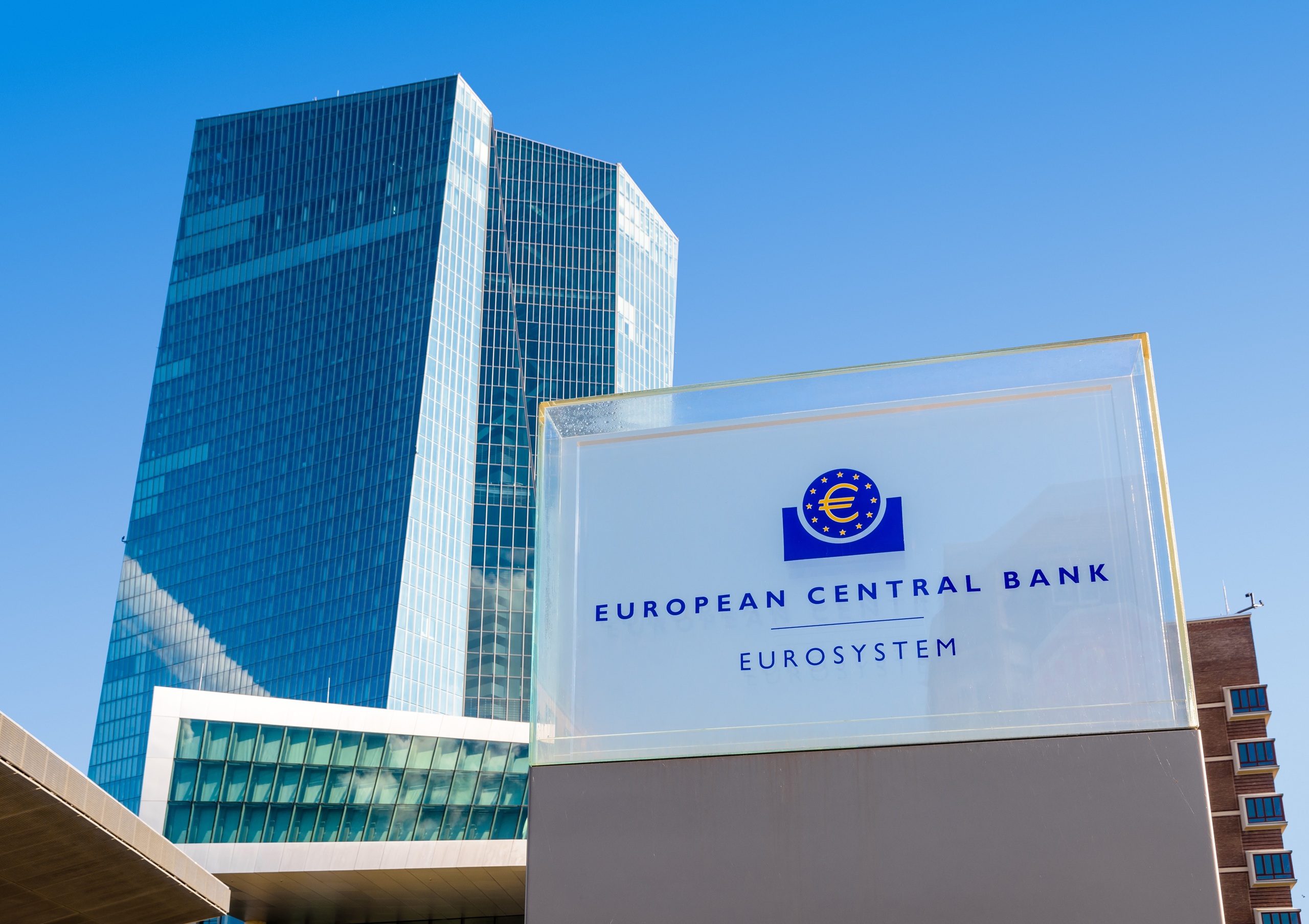
The European Central Bank is expected to raise interest rates again as the war between the US and Iran pushes oil and natural gas prices higher and revives concerns about inflation across the eurozone. The decision comes as the regional economy shows greater resilience than previously expected, creating a delicate balance between containing price pressures and avoiding excessive damage to economic growth.
Inflation Moves Further Above the ECB’s Target
Eurozone inflation accelerated to 3.3% in August from 2.9% in July, reaching its highest level in almost three years. The increase was driven primarily by energy costs, with energy prices rising 14.3% from a year earlier as disruptions around the Strait of Hormuz and higher global oil and gas prices fed into consumer prices.
The ECB’s 2% inflation target is therefore increasingly distant in the near term. However, underlying price pressures remain less severe. Core inflation, which excludes energy, food, alcohol and tobacco, eased to 2.4% from 2.5%, while services inflation declined to 3.0% from 3.3%. This suggests that the energy shock has not yet generated broad second-round inflation effects across the economy.
Rate Hike Expected, but the Path Beyond September Is Unclear
Markets have largely priced in a 25-basis-point increase that would lift the ECB’s deposit rate from 2.25% to 2.50%. The move would represent the second rate increase since the conflict began and follows the ECB’s June decision to raise rates by the same amount in response to mounting energy-driven inflation pressures.
The more difficult question is what happens afterward. A recent survey of economists found that most expect the ECB to stop at 2.50%, reflecting concerns that additional tightening could weaken an economy already facing elevated borrowing costs. Economic growth is forecast at 0.8% in 2026 and 1.2% in 2027.
However, financial markets have been pricing a greater probability of another increase, while Deutsche Bank has raised its forecast for the terminal rate to 2.75%. The divergence reflects uncertainty over how long the energy shock will last and whether higher fuel and food costs eventually spread into wages and services.
Energy Prices Put the ECB in a Difficult Position
The longer the conflict continues, the greater the risk that elevated energy prices will influence inflation expectations and corporate pricing decisions. Policymakers are particularly focused on the possibility of second-round effects, in which higher household costs lead to stronger wage demands and companies respond by raising prices.
At the same time, eurozone economic activity has remained relatively resilient, and recent business indicators have been stronger than expected. That reduces some of the immediate pressure to prioritize growth over inflation control. Yet further rate increases could eventually weaken consumer spending and investment, particularly if high energy costs persist.
Investors will therefore focus closely on the ECB’s updated inflation and growth projections and on President Christine Lagarde’s guidance about future policy. The key variables will be the trajectory of oil and gas prices, the duration of the Iran conflict and evidence of broader inflation pressure. If energy prices remain elevated, another rate increase could become more likely; if the shock fades, the ECB may have greater room to pause at 2.50%.
Comparison, examination, and analysis between investment houses
Leave your details, and an expert from our team will get back to you as soon as possible
* This article, in whole or in part, does not contain any promise of investment returns, nor does it constitute professional advice to make investments in any particular field.
To read more about the full disclaimer, click here
- omer bar
- •
- 6 Min Read
- •
- ago 7 hours
SKN | U.S. 10-Year Treasury Yield Hits Highest Level Since 2023 as Rate and Inflation Risks Intensify
The U.S. 10-year Treasury yield climbed to its highest level since 2023 on September 9 as investors reassessed the
- ago 7 hours
- •
- 6 Min Read

The U.S. 10-year Treasury yield climbed to its highest level since 2023 on September 9 as investors reassessed the

- Arik Arkadi Sluzki
- •
- 7 Min Read
- •
- ago 7 hours
SKN | Gold Climbs as Weaker Dollar and Inflation Data Put Fed Policy in Focus
Gold prices climbed sharply on September 9 as a subdued U.S. dollar provided support to the precious-metals market while
- ago 7 hours
- •
- 7 Min Read

Gold prices climbed sharply on September 9 as a subdued U.S. dollar provided support to the precious-metals market while

- Lior mor
- •
- 6 Min Read
- •
- ago 12 hours
SKN | Could London’s Stock Market Rally Give the UK Treasury a £5.6 Billion Fiscal Boost?
The strength of London-listed equities is providing the UK government with an unexpected source of fiscal support at a time
- ago 12 hours
- •
- 6 Min Read

The strength of London-listed equities is providing the UK government with an unexpected source of fiscal support at a time
- Lior mor
- •
- 7 Min Read
- •
- ago 1 day
SKN | US Escalates Trade War With Canada, Banning Dairy, Alcohol and Motorcycle Imports
The United States has intensified its trade confrontation with Canada by announcing bans on a broad range of Canadian alcoholic
- ago 1 day
- •
- 7 Min Read

The United States has intensified its trade confrontation with Canada by announcing bans on a broad range of Canadian alcoholic
