




- Lior mor
- •
- 7 Min Read
- •
- 5 hours ago


Key Points
- The US will ban imports of a broad range of Canadian alcoholic beverages, motorcycles and dairy products starting September 29, escalating the trade war between the two countries.
- The US measures come after Canada imposed tariffs of 15% to 50% on roughly $20 billion worth of American goods in response to tariffs introduced by Washington.
- The escalation increases the risk of further disruption to the USMCA trade framework and adds uncertainty for investment, economic growth and North American supply chains.
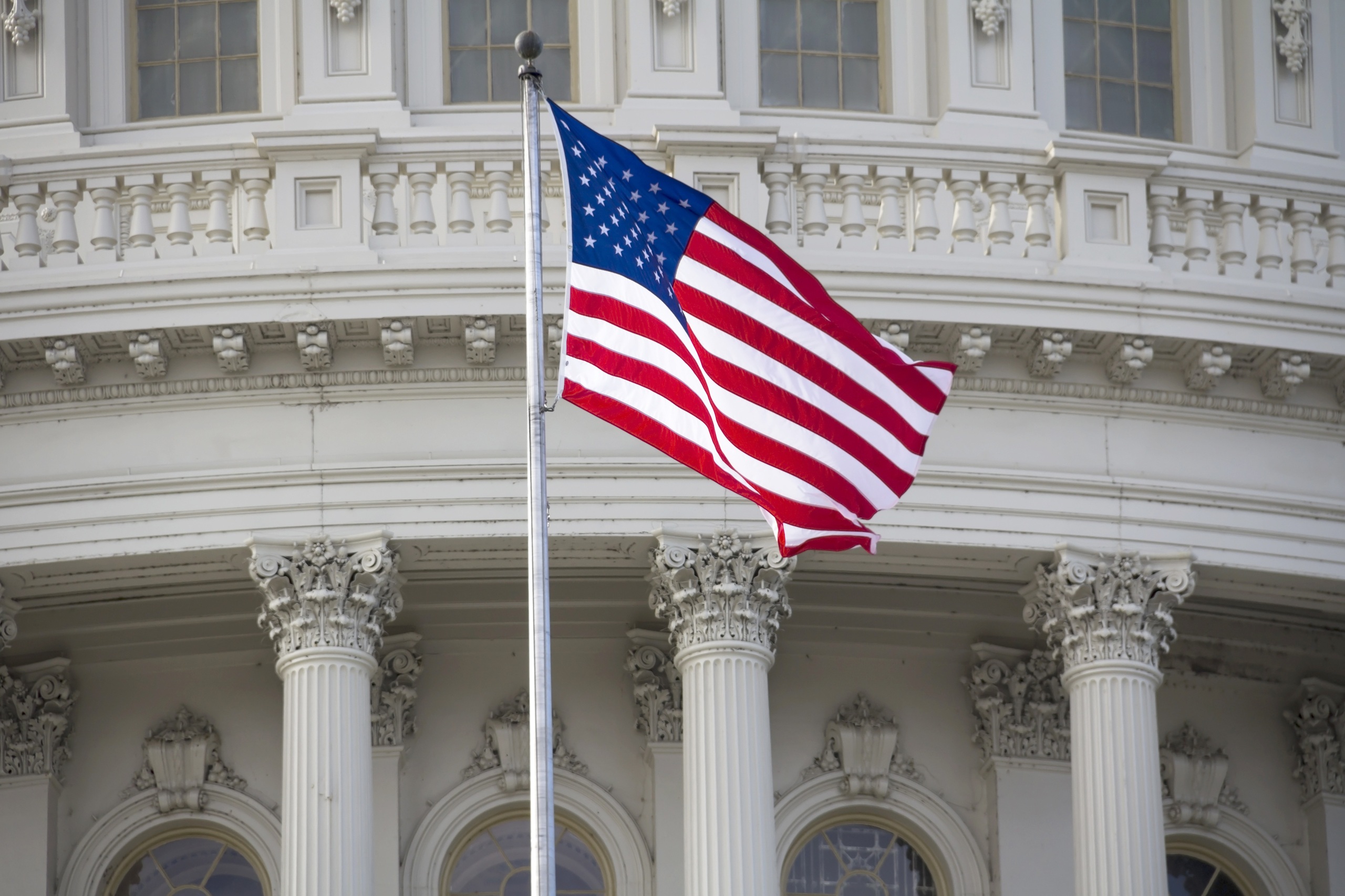
The United States has intensified its trade confrontation with Canada by announcing bans on a broad range of Canadian alcoholic beverages, motorcycles and dairy products. The measures, which are scheduled to take effect on September 29, come after Canada’s retaliatory tariffs on American goods entered into force, deepening tensions between two of North America’s most important trading partners.
Washington Moves From Tariffs to Import Bans
The latest US measures represent a significant escalation in the trade dispute. The restrictions are expected to cover most Canadian alcoholic beverages, including beer and various types of wine, as well as whiskey, bourbon, rum, vodka, vermouth, tequila, mezcal and brandy. In the dairy sector, the measures cover products including whey protein, invert sugar, cane molasses and non-alcoholic beer.
Alongside the bans, the US has added various cheese products to the list of goods subject to a 50% tariff, rather than banning their imports outright. Paper products, aluminum, wood, furniture and lighting products have also been added to the list of goods exposed to tariffs.
The US action follows President Donald Trump’s decision last month to impose 50% tariffs on approximately $20 billion worth of Canadian goods. The tariffs covered around 5% of Canada’s exports to the US and included products such as wine, furniture, dairy products, cement, clothing, fishing rods and hockey equipment.
Canada Responds With Retaliatory Tariffs
Canada’s retaliatory tariffs took effect shortly after midnight on September 8 and cover approximately $20 billion worth of American goods. Tariff rates range from 15% to 50% and affect a range of industries, including steel, furniture, clothing and electronics.
Canada’s strategy is not purely economic. Some of the tariffs target industries in politically competitive US states such as Michigan and Ohio ahead of the November midterm elections. Canadian Prime Minister Mark Carney has said the country needs to reduce its dependence on its largest trading partner, even if doing so carries an economic cost in the short term.
Canada’s exposure to the US market is particularly significant. Nearly 68% of all Canadian exports this year have been directed to the US, with approximately 80% of those exports moving tariff-free under USMCA exemptions. The current escalation raises concerns that the benefits provided by the agreement over many years could come under increasing pressure.
The Risk Is Moving From Trade to Growth and Investment
Although the products affected by the latest measures represent a relatively small share of total trade between the two countries, the broader implications could be more significant. Analysts have warned that continued escalation could undermine the USMCA, the trade agreement that replaced NAFTA and has served as a foundation for North American commerce for decades.
The tensions are already creating uncertainty around investment and economic growth, particularly in Canada, whose economy is roughly 13 times smaller than that of the US. At the same time, Trump has threatened to raise tariffs on Canadian cars, trucks and auto parts from 25% to 50% on January 1. He has also threatened to prevent Canadian private-jet manufacturer Bombardier from selling its aircraft in the US unless it moves production into the country.
Developments over the coming weeks will be critical for North American markets. American and Canadian officials are still holding informal discussions, but formal negotiations have not resumed. If a path toward renewed talks cannot be established, further tariffs and import restrictions could deepen pressure on supply chains, weigh on investment and increase the risk of weaker economic growth in both countries.
Comparison, examination, and analysis between investment houses
Leave your details, and an expert from our team will get back to you as soon as possible
* This article, in whole or in part, does not contain any promise of investment returns, nor does it constitute professional advice to make investments in any particular field.
To read more about the full disclaimer, click here
- Lior mor
- •
- 6 Min Read
- •
- ago 7 hours
SKN | Gold Prices Ease as Rising Oil Fuels Inflation Concerns Ahead of U.S. Data
Gold prices edged lower on September 8 as rising oil prices reinforced concerns about inflation and reduced expectations that
- ago 7 hours
- •
- 6 Min Read

Gold prices edged lower on September 8 as rising oil prices reinforced concerns about inflation and reduced expectations that

- Ronny Mor
- •
- 8 Min Read
- •
- ago 7 hours
SKN | Can 3% U.S. GDP Growth Really Help America Grow Its Way Out of Debt?
Bessent Puts Economic Growth at the Center of the Debt Strategy U.S. Treasury Secretary Scott Bessent is making a case
- ago 7 hours
- •
- 8 Min Read

Bessent Puts Economic Growth at the Center of the Debt Strategy U.S. Treasury Secretary Scott Bessent is making a case
- Lior mor
- •
- 6 Min Read
- •
- ago 1 day
SKN | Colombia Inflation Rises to 6.24% in August, Keeping Pressure on Central Bank
Colombia’s inflation rate accelerated more than expected in August, reinforcing concerns that price pressures remain persistent in Latin America’s fourth-largest
- ago 1 day
- •
- 6 Min Read

Colombia’s inflation rate accelerated more than expected in August, reinforcing concerns that price pressures remain persistent in Latin America’s fourth-largest
- Ronny Mor
- •
- 6 Min Read
- •
- ago 1 day
SKN | Canada’s Pivot to Asia Gains Momentum, but Trade Ties Still Face a Steep Learning Curve
Canada’s long-discussed pivot toward Asia is becoming increasingly visible in trade data as businesses seek alternatives to heavy reliance on
- ago 1 day
- •
- 6 Min Read

Canada’s long-discussed pivot toward Asia is becoming increasingly visible in trade data as businesses seek alternatives to heavy reliance on
