




- Lior mor
- •
- 7 Min Read
- •
- 8 hours ago


Key Points
- The yen carry trade involves borrowing Japanese yen at relatively low interest rates and deploying the funds into higher-yielding assets elsewhere.
- A stronger yen and expectations for Bank of Japan rate hikes can undermine the economics of the trade by increasing funding costs and creating foreign-exchange losses.
- Unwinding carry trades can affect global markets because investors may reduce positions in equities, bonds and other higher-yielding assets to repay yen-denominated funding.
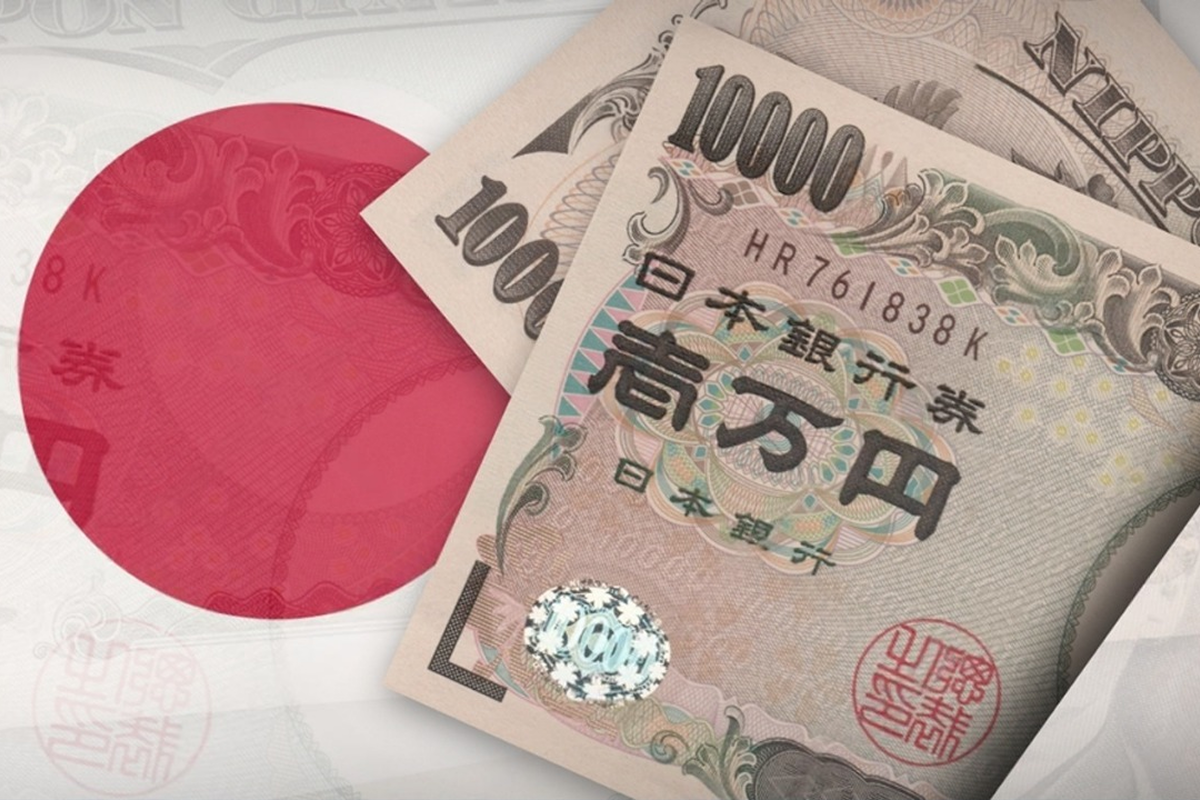
The yen carry trade has become an important focus for global investors after the Japanese currency surged to a seven-month high, raising questions about whether one of the market’s long-standing funding strategies is entering a more difficult phase. The trade has benefited from Japan’s historically low borrowing costs, but expectations for faster Bank of Japan rate hikes are changing the risk-reward dynamics.
How the Yen Carry Trade Works
At its core, the yen carry trade is a cross-border financing strategy. Investors borrow money in Japanese yen because Japanese interest rates have historically been low, then convert the proceeds into another currency and invest in assets offering higher yields. The potential return comes from the difference between the low cost of yen funding and the higher income generated by the asset purchased.
The strategy depends on more than interest-rate differentials. Currency stability is critical because investors ultimately need to account for movements in the yen. If the yen remains relatively weak or stable against the currency of the investment, the trade can remain attractive. However, a rapid appreciation in the yen can increase the cost of repaying the original borrowing when measured against the foreign assets.
Why a Stronger Yen Can Trigger an Unwind
The recent appreciation of the yen is significant because it directly challenges the assumptions underpinning the carry trade. When the yen strengthens sharply, investors holding foreign assets financed with yen borrowing can face currency-related losses. If the move becomes large enough, some participants may close their positions by selling foreign assets and converting the proceeds back into yen.
This process can create a feedback loop. Selling foreign assets puts pressure on those markets, while buying yen to repay funding can push the Japanese currency higher. The resulting currency appreciation can then make remaining carry positions less attractive, encouraging further reductions in exposure.
Bank of Japan Policy Is Becoming More Important
The changing outlook for Bank of Japan monetary policy is another central factor. Expectations of accelerated rate increases, potentially beginning with the BOJ’s meeting next week, would narrow the interest-rate advantage that has historically encouraged investors to borrow yen.
Higher Japanese rates can therefore affect the carry trade through two channels: they increase the cost of funding and potentially strengthen the yen by making Japanese assets relatively more attractive. For global markets, the significance extends beyond Japan because the strategy has been used to finance positions in a wide range of higher-yielding assets.
Why Global Investors Are Watching the Trade
The importance of the yen carry trade lies in its potential market-wide transmission effects. If investors unwind leveraged positions simultaneously, pressure can spread beyond foreign-exchange markets into equities, credit and other risk-sensitive assets. The scale of any adjustment would depend on the size of outstanding positions, leverage and the speed of yen appreciation.
Going forward, investors will be watching the yen’s trajectory, Bank of Japan policy signals and global interest-rate differentials closely. A gradual normalization of Japanese rates may allow markets to adjust progressively, while a faster yen appreciation combined with unexpectedly aggressive BOJ tightening could increase the incentive to unwind carry positions. The key question is whether the current currency move represents a controlled repricing of funding conditions or the beginning of a broader repositioning across global markets.
Comparison, examination, and analysis between investment houses
Leave your details, and an expert from our team will get back to you as soon as possible
* This article, in whole or in part, does not contain any promise of investment returns, nor does it constitute professional advice to make investments in any particular field.
To read more about the full disclaimer, click here
- omer bar
- •
- 6 Min Read
- •
- ago 3 hours
SKN | Dollar Recovers as Treasury Buyback Falls Short of Expectations and Treasury Yields Rise
The US dollar regained ground on Wednesday as higher Treasury yields and stronger oil prices provided support for the currency,
- ago 3 hours
- •
- 6 Min Read

The US dollar regained ground on Wednesday as higher Treasury yields and stronger oil prices provided support for the currency,

- sagi habasov
- •
- 6 Min Read
- •
- ago 4 hours
SKN | Costco Expands Across the U.S.: 10 New Warehouses Set to Open in Nine States
Costco Wholesale is preparing another expansion of its U.S. warehouse network, with 10 new locations scheduled to open across nine
- ago 4 hours
- •
- 6 Min Read

Costco Wholesale is preparing another expansion of its U.S. warehouse network, with 10 new locations scheduled to open across nine
- omer bar
- •
- 7 Min Read
- •
- ago 4 hours
SKN | Ford Faces Growing Washington Pressure Over China Deals as Policy Risks Rise
Ford Motor is increasingly caught between Washington’s national-security agenda toward China and the commercial realities of the global automotive industry.
- ago 4 hours
- •
- 7 Min Read

Ford Motor is increasingly caught between Washington’s national-security agenda toward China and the commercial realities of the global automotive industry.
- omer bar
- •
- 6 Min Read
- •
- ago 7 hours
SKN | U.S. 10-Year Treasury Yield Hits Highest Level Since 2023 as Rate and Inflation Risks Intensify
The U.S. 10-year Treasury yield climbed to its highest level since 2023 on September 9 as investors reassessed the
- ago 7 hours
- •
- 6 Min Read

The U.S. 10-year Treasury yield climbed to its highest level since 2023 on September 9 as investors reassessed the
