





- Ronny Mor
- •
- 6 Min Read
- •
- 19 seconds ago


Key Points
- Novartis shares fell about 9% after another late-stage drug study failed to meet its main goal.
- The company has faced three major setbacks across its drug pipeline in a short period, increasing investor concerns about future growth.
- Novartis continues to have promising medicines in development, but investors are now paying closer attention to whether new drugs can replace older products and support long-term sales growth.
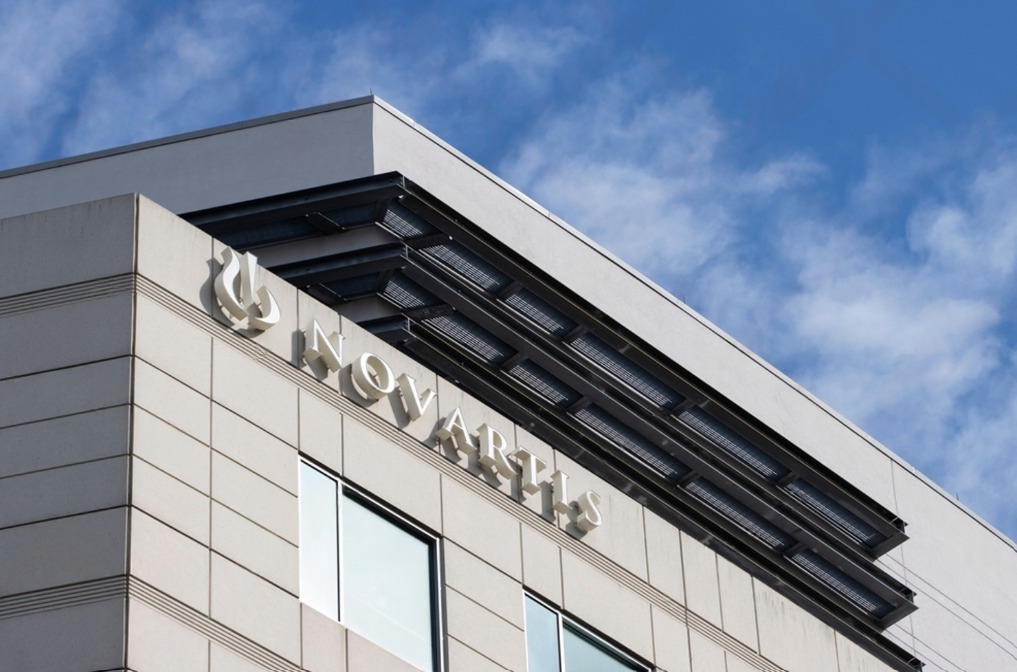
Novartis came under heavy pressure in the stock market after a series of setbacks involving experimental medicines raised concerns about the strength of its future drug pipeline. The latest disappointment sent the shares down about 9%, highlighting how quickly expectations can change for large pharmaceutical companies when important clinical trials fail.
Another Important Drug Study Falls Short
The latest setback involved del-desiran, an experimental treatment for myotonic dystrophy type 1, a genetic disease that can cause progressive muscle weakness. In a late-stage Phase III study, the drug failed to meet its main target, meaning the treatment did not produce the improvement Novartis had expected compared with the study’s requirements.
The drug was part of Novartis’ acquisition of Avidity Biosciences, a deal valued at roughly $12 billion. The disappointing result therefore has broader significance because investors had expected the acquisition to strengthen Novartis’ position in next-generation genetic medicines.
Three Pipeline Problems Increase Investor Concerns
The latest result follows two other setbacks. Novartis recently reported that pelacarsen reduced levels of a cholesterol-related protein called Lp(a), but failed to reduce the number of major cardiovascular events in a late-stage study.
The company also paused clinical studies of rap-cel, an experimental cell therapy, following three patient deaths. While this is different from a traditional trial failure, the decision adds another layer of uncertainty around the company’s development pipeline.
At the same time, not everything has turned negative. Novartis has reported encouraging results for remibrutinib in multiple sclerosis, providing investors with evidence that the company’s pipeline still contains potentially important growth opportunities.
Why the Pipeline Matters for Investors
For a major pharmaceutical company, future growth depends heavily on developing new medicines that can eventually reach the market and generate significant sales. Existing blockbuster drugs can provide strong revenue today, but their contribution can weaken over time as patents expire, competition increases, or newer treatments emerge.
That makes the recent setbacks important beyond the immediate share-price decline. Investors are now likely to focus more closely on which experimental drugs can successfully move through clinical trials and whether Novartis can maintain its expected 5%–6% annual sales growth between 2025 and 2030.
Outlook: Investors Shift Focus to the Next Wave of Medicines
Novartis’ recent problems do not necessarily change the company’s long-term outlook by themselves, but they increase the importance of its remaining pipeline. For global and Israeli investors with exposure to large pharmaceutical companies, the episode is a reminder that even established healthcare businesses face significant uncertainty when billions of dollars are invested in experimental treatments. The market is likely to remain focused on upcoming clinical results, regulatory decisions and evidence that Novartis can replace unsuccessful projects with new sources of growth.
Comparison, examination, and analysis between investment houses
Leave your details, and an expert from our team will get back to you as soon as possible
* This article, in whole or in part, does not contain any promise of investment returns, nor does it constitute professional advice to make investments in any particular field.
To read more about the full disclaimer, click here
- orshu
- •
- 7 Min Read
- •
- ago 3 hours
SKN | Tel Aviv Stocks Fall Broadly as TA-35, TA-90 and TA-125 Face Selling Pressure
Tel Aviv equities are trading broadly lower, with all eight listed benchmarks in negative territory. The decline is accompanied by
- ago 3 hours
- •
- 7 Min Read

Tel Aviv equities are trading broadly lower, with all eight listed benchmarks in negative territory. The decline is accompanied by
- orshu
- •
- 8 Min Read
- •
- ago 7 hours
SKN | Global Markets Wrap: September 7, 2026 Tel Aviv Mixed as Asian Markets Advance – U.S. Markets Closed for Labor Day; Outlook for September 8
Global markets entered September 8, 2026, following mixed regional conditions on September 7. Several major exchanges in the Americas were
- ago 7 hours
- •
- 8 Min Read

Global markets entered September 8, 2026, following mixed regional conditions on September 7. Several major exchanges in the Americas were

- sagi habasov
- •
- 8 Min Read
- •
- ago 10 hours
SKN | Asian Markets Trade Mixed on September 8 as South Korea Leads Gains While Hong Kong and Australia Decline
Asian equity markets traded mixed during Tuesday morning’s session on September 8, with South Korea delivering the strongest gain among
- ago 10 hours
- •
- 8 Min Read

Asian equity markets traded mixed during Tuesday morning’s session on September 8, with South Korea delivering the strongest gain among

- Ronny Mor
- •
- 9 Min Read
- •
- ago 13 hours
SKN | Uber Takes an Unexpected Position on Robotaxis: Is Regulation Becoming Its Competitive Shield?
Uber Technologies is taking an unusual position in the accelerating robotaxi race: instead of pushing regulators to open the
- ago 13 hours
- •
- 9 Min Read

Uber Technologies is taking an unusual position in the accelerating robotaxi race: instead of pushing regulators to open the

