





- Ronny Mor
- •
- 6 Min Read
- •
- 34 minutes ago


Key Points
- Gold held near $4,430 an ounce after falling 1% in the previous session as stronger US payrolls increased expectations for a September Fed rate hike.
- Markets raised the estimated probability of a September rate increase to roughly 60%, putting pressure on non-yielding bullion and supporting the US dollar.
- US inflation data due later this week could become the next major catalyst for gold, particularly as higher oil prices add to inflation risks.
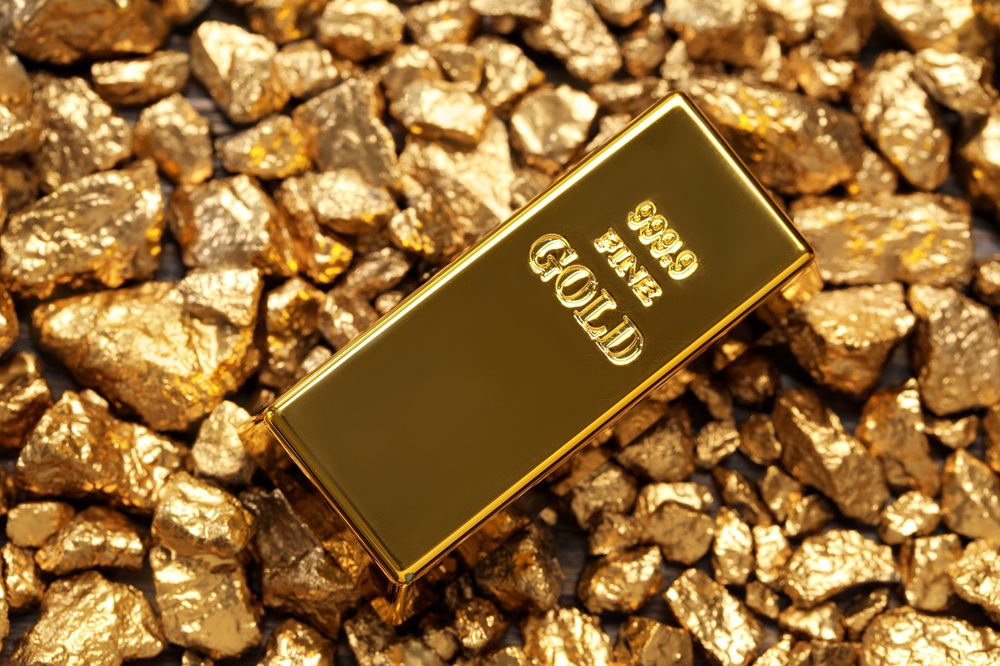
Gold prices held their decline on Monday after stronger-than-expected US employment data increased expectations that the Federal Reserve could raise interest rates at its September 15–16 meeting. Spot gold was little changed near $4,430 an ounce after dropping about 1% in the previous session, as traders reassessed the balance between monetary-policy pressure, dollar strength and ongoing geopolitical risks.
Strong US Jobs Data Changes the Rate Outlook
US employers added 162,000 jobs in August, significantly exceeding economists’ expectations of around 65,000, while the unemployment rate remained at 4.1%. The stronger labor-market reading challenged expectations that the Federal Reserve would remain on hold and pushed market pricing for a September rate hike to roughly 60%, compared with about 50% earlier on Friday.
Higher interest rates generally weigh on gold because bullion does not generate interest income. As Treasury yields become more attractive, the opportunity cost of holding gold rises, potentially reducing demand for the precious metal. The stronger economic data also provided support for the US dollar, creating an additional headwind for gold priced in dollars.
Gold Remains Above Its July Low Despite Recent Pressure
The latest decline has not erased gold’s broader strength. The metal has traded within a relatively narrow range since rebounding from a level near $4,000 an ounce in July, with prices moving on either side of $4,400 during the past week as traders repeatedly adjusted expectations for Federal Reserve policy.
Gold futures fell about 1.1% over the latest week, following a 3.3% decline in the previous week. The combined retreat represents the metal’s largest two-week decline since June, highlighting how quickly monetary-policy expectations can alter precious-metals sentiment.
At the same time, geopolitical uncertainty continues to provide an offsetting source of demand. Escalating US-Iran tensions and disruptions to energy flows through the Strait of Hormuz have pushed oil prices higher, raising concerns about renewed inflationary pressure. Such developments could complicate the Federal Reserve’s policy decisions while simultaneously supporting demand for traditional safe-haven assets.
Inflation Data Becomes the Next Major Test
The focus now shifts toward US consumer-price data due later this week. Inflation figures could determine whether the stronger employment report translates into a sustained increase in expectations for a September rate hike or whether traders again reduce those bets.
The inflation outlook is particularly important because higher energy prices could feed into headline inflation even as the Federal Reserve looks more closely at underlying price pressures. A combination of resilient employment, elevated oil prices and persistent inflation could strengthen the case for tighter monetary policy, while softer inflation would give policymakers more flexibility.
Gold’s next move is therefore likely to depend on the interaction between the dollar, Treasury yields, inflation data and geopolitical developments. Traders will also watch whether prices can remain above the $4,400 area or face deeper pressure if expectations for a September rate increase continue to strengthen. The Fed’s September decision will ultimately provide a clearer signal on whether the recent pullback represents a temporary adjustment or a more sustained change in the precious-metals market.
Comparison, examination, and analysis between investment houses
Leave your details, and an expert from our team will get back to you as soon as possible
* This article, in whole or in part, does not contain any promise of investment returns, nor does it constitute professional advice to make investments in any particular field.
To read more about the full disclaimer, click here
- sagi habasov
- •
- 7 Min Read
- •
- ago 43 minutes
SKN | Oil Prices Rise as US-Iran Ship Strikes Deepen Strait of Hormuz Supply Risks
Oil prices extended their gains on Monday as renewed US-Iran attacks involving vessels in and around the Strait of Hormuz
- ago 43 minutes
- •
- 7 Min Read

Oil prices extended their gains on Monday as renewed US-Iran attacks involving vessels in and around the Strait of Hormuz
- sagi habasov
- •
- 6 Min Read
- •
- ago 1 hour
SKN | OPEC+ Holds October Oil Output Steady as Middle East Disruptions Reshape Global Supply
OPEC+ has decided to maintain its current oil output policy for October, pausing a six-month run of production increases as
- ago 1 hour
- •
- 6 Min Read

OPEC+ has decided to maintain its current oil output policy for October, pausing a six-month run of production increases as

- orshu
- •
- 8 Min Read
- •
- ago 11 hours
SKN | Gold’s Third Major Bull Market: Do Central Banks Still Have Room to Increase Their Allocations?
Gold is increasingly moving beyond its traditional role as a defensive commodity and becoming a strategic component of global
- ago 11 hours
- •
- 8 Min Read

Gold is increasingly moving beyond its traditional role as a defensive commodity and becoming a strategic component of global

- Ronny Mor
- •
- 6 Min Read
- •
- ago 12 hours
SKN | Does the Volatility in Gold and Commodities Markets Signal the End of an Era of Stability?
Commodities Under the Microscope: Examining Recent Fluctuations The global commodities market continues to register sharp and contradictory movements, placing precious
- ago 12 hours
- •
- 6 Min Read

Commodities Under the Microscope: Examining Recent Fluctuations The global commodities market continues to register sharp and contradictory movements, placing precious

