





- sagi habasov
- •
- 7 Min Read
- •
- 60 minutes ago


Key Points
- Brent crude climbed to $96.80 a barrel and WTI reached $92.14 as US-Iran attacks on vessels heightened supply concerns.
- Brent gained 7.8% last week, while WTI rose nearly 10%, as shipping through the Strait of Hormuz declined sharply.
- OPEC+ kept its October production policy unchanged, leaving geopolitical developments as a key driver of near-term oil prices.
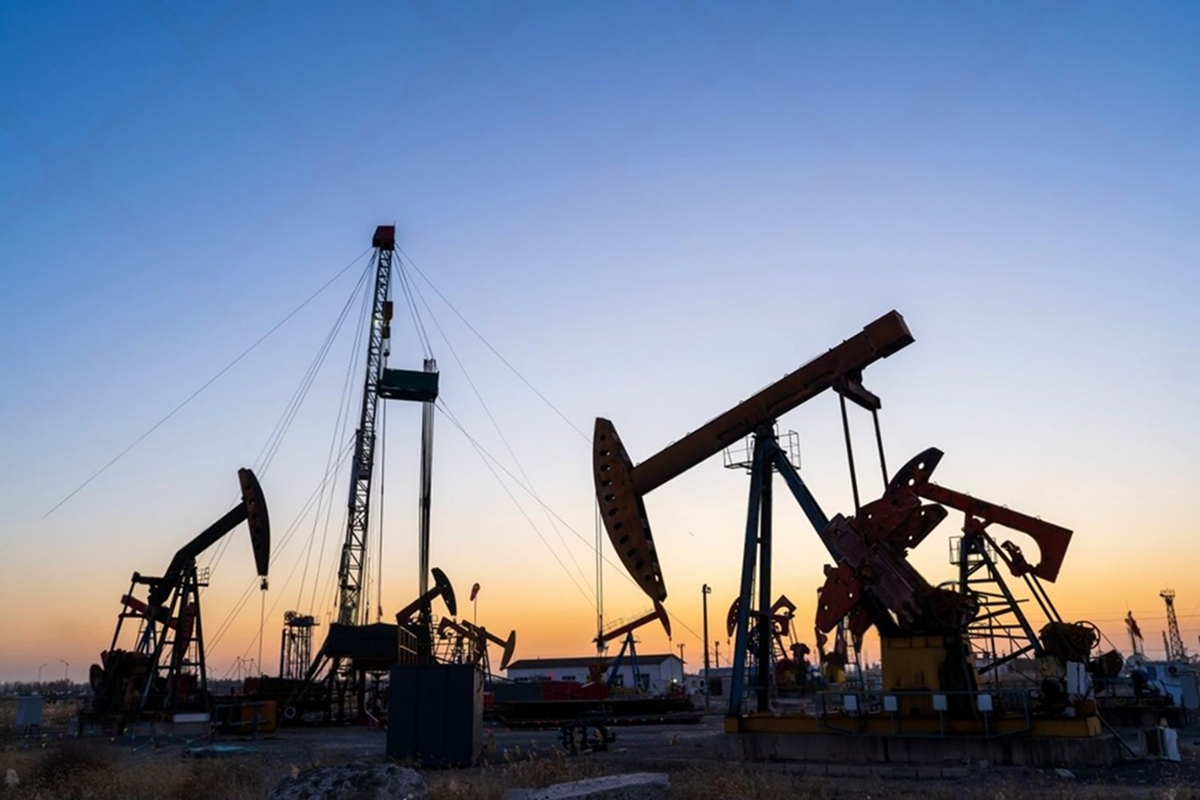
Oil prices extended their gains on Monday as renewed US-Iran attacks involving vessels in and around the Strait of Hormuz raised concerns that disruptions to Middle Eastern crude flows could persist. Brent crude moved closer to $100 a barrel after a sharp weekly rally, reinforcing the growing influence of geopolitical risk on energy markets and broader inflation expectations.
Strait of Hormuz Becomes the Central Supply Risk
Brent crude futures rose 52 cents, or 0.54%, to $96.80 a barrel, while US West Texas Intermediate gained 66 cents, or 0.72%, to $92.14. The moves followed a much stronger performance last week, when Brent advanced 7.8% and WTI gained nearly 10%.
The Strait of Hormuz remains at the center of the market’s concerns. Roughly one-fifth of global oil supply has historically passed through the waterway, making any sustained disruption potentially significant for refiners, traders and major importing economies across Asia and Europe.
Shipping activity has already weakened. Around 10 commodity vessels per day transited the Strait over the latest 10-day period, the lowest level recorded since May. Iran has also indicated that it plans to establish a restricted zone outside the Strait, adding another layer of uncertainty for commercial shipping.
US-Iran Strikes Raise the Cost of Maritime Risk
The latest escalation has blurred the distinction between military and commercial shipping risks. US forces struck three Iranian oil tankers on Saturday, including a vessel near Kharg Island, a major Iranian oil-export hub. Iran subsequently said its forces targeted vessels traveling through unauthorized routes in the Strait and additional US vessels elsewhere.
For energy markets, the immediate concern is not only physical damage to ships or infrastructure but whether shipping companies become increasingly reluctant to operate in the region. Higher insurance costs, longer routes and delays could increase the delivered cost of crude even if production capacity remains available.
The impact could extend beyond crude prices. A prolonged disruption would raise transportation and refining costs, potentially feeding into gasoline, diesel and other consumer prices at a time when central banks are already monitoring inflation closely.
OPEC+ Holds Policy Steady as Disruptions Mount
OPEC+ decided to leave its October oil production policy unchanged after meeting on Sunday. The decision follows six consecutive monthly production increases and reflects the difficulty of adjusting supply policy while geopolitical disruptions are already constraining physical flows.
The producer group is also working toward new production quotas and baseline assessments for 2027. However, additional output from OPEC+ members may have limited immediate impact if tankers cannot move crude efficiently through critical shipping routes.
Markets will therefore remain highly sensitive to developments in the Strait of Hormuz, including shipping volumes, military activity and diplomatic efforts. Analysts expect a prolonged standoff could keep Middle Eastern exports constrained through the end of 2026, with a broader recovery potentially extending into 2027.
Investors and policymakers will be watching whether oil remains near the $100 threshold or whether improved shipping conditions allow prices to retreat. The next phase of the conflict, the security of commercial vessels and the ability of producers to compensate for disrupted exports will be central to determining the direction of global energy prices and inflation expectations.
Comparison, examination, and analysis between investment houses
Leave your details, and an expert from our team will get back to you as soon as possible
* This article, in whole or in part, does not contain any promise of investment returns, nor does it constitute professional advice to make investments in any particular field.
To read more about the full disclaimer, click here
- Ronny Mor
- •
- 6 Min Read
- •
- ago 51 minutes
SKN | Gold Holds Near $4,430 as Strong US Jobs Data Revives Fed Rate-Hike Bets
Gold prices held their decline on Monday after stronger-than-expected US employment data increased expectations that the Federal Reserve could raise
- ago 51 minutes
- •
- 6 Min Read

Gold prices held their decline on Monday after stronger-than-expected US employment data increased expectations that the Federal Reserve could raise

- sagi habasov
- •
- 6 Min Read
- •
- ago 1 hour
SKN | OPEC+ Holds October Oil Output Steady as Middle East Disruptions Reshape Global Supply
OPEC+ has decided to maintain its current oil output policy for October, pausing a six-month run of production increases as
- ago 1 hour
- •
- 6 Min Read

OPEC+ has decided to maintain its current oil output policy for October, pausing a six-month run of production increases as

- orshu
- •
- 8 Min Read
- •
- ago 11 hours
SKN | Gold’s Third Major Bull Market: Do Central Banks Still Have Room to Increase Their Allocations?
Gold is increasingly moving beyond its traditional role as a defensive commodity and becoming a strategic component of global
- ago 11 hours
- •
- 8 Min Read

Gold is increasingly moving beyond its traditional role as a defensive commodity and becoming a strategic component of global
- Ronny Mor
- •
- 6 Min Read
- •
- ago 12 hours
SKN | Does the Volatility in Gold and Commodities Markets Signal the End of an Era of Stability?
Commodities Under the Microscope: Examining Recent Fluctuations The global commodities market continues to register sharp and contradictory movements, placing precious
- ago 12 hours
- •
- 6 Min Read

Commodities Under the Microscope: Examining Recent Fluctuations The global commodities market continues to register sharp and contradictory movements, placing precious

