





- Lior mor
- •
- 7 Min Read
- •
- 1 month ago


Key Points
- Crude oil settled around $91.17 a barrel on September 4, falling 0.14% on the day but gaining more than 9% during the week.
- The latest rally is the strongest weekly performance since mid-July, with escalating U.S.-Iran tensions increasing the geopolitical risk premium in energy markets.
- Oil has risen 21.21% over the past month and 47.36% from a year earlier, but increased shipments through the Strait of Hormuz could limit further gains.

Crude oil has entered September with a powerful rally as the continuing Middle East conflict raises concerns about the security of global energy supplies. The benchmark crude price reached $91.17 a barrel on September 4, bringing its monthly increase above 21% and its annual gain close to 50%. Although Friday’s modest decline suggests some profit-taking, the broader move reflects growing investor concern that prolonged military escalation could disrupt one of the world’s most important oil transportation corridors.
Why Has Oil Climbed More Than 9% in One Week?
Crude oil gained more than 9% during the week, marking its strongest weekly performance since mid-July. The immediate catalyst has been the intensification of hostilities involving Iran, the United States and Israel. Iran and the U.S. exchanged missile strikes during the week, while Israel’s defense minister warned of potentially severe attacks against Iranian infrastructure, including energy facilities.
The market is particularly sensitive to developments involving energy infrastructure because even the possibility of supply disruption can prompt traders to demand a higher risk premium. That dynamic can push crude prices higher before an actual physical shortage develops. The current rally therefore reflects both concerns over future supply and expectations that geopolitical uncertainty could persist.
Could the Strait of Hormuz Determine the Next Oil Move?
The Strait of Hormuz remains central to the market’s outlook. U.S. Vice President JD Vance said Washington would not pursue peace talks with Iran until Tehran stops attacking ships in the strait, while Iran has signaled that it intends to maintain a hard-line response to recent U.S. strikes.
Additional international pressure could further complicate the situation. The European Union has formally joined the U.S.-led sanctions campaign against Iran, while South Korea is considering a military role. Each development increases uncertainty surrounding shipping security and the potential availability of Iranian crude.
However, the rally could lose momentum if shipments through the strait increase. Reports indicate that Iraq exported an average of approximately 2.35 million barrels per day in August, with most shipments traveling through southern routes. A sustained improvement in flows would reduce immediate supply concerns and potentially remove part of the geopolitical premium currently embedded in crude prices.
What Could Keep Oil Above $90?
The scale of the recent price increase has transformed crude into a significant inflationary variable for the global economy. Oil at $91.17 is 21.21% higher than a month earlier and 47.36% above its level a year ago. Such a rapid increase can raise transportation and production costs, potentially complicating monetary-policy decisions in economies already dealing with inflationary pressures.
At the same time, the historical record demonstrates that extreme oil prices can occur during periods of severe supply stress. Crude reached an all-time high of $147.27 in July 2008, substantially above current levels.
For investors in the U.S. and Israel, the next direction will depend primarily on whether geopolitical escalation produces measurable disruption to physical oil flows. A deterioration around the Strait of Hormuz or attacks on energy infrastructure could push prices significantly higher. Conversely, stronger shipping flows, diplomatic progress or evidence that supply remains resilient could trigger a sharp reversal of the risk premium. With crude already up nearly 50% year over year, the balance between fear-driven positioning and actual supply fundamentals will become increasingly important.
Comparison, examination, and analysis between investment houses
Leave your details, and an expert from our team will get back to you as soon as possible
* This article, in whole or in part, does not contain any promise of investment returns, nor does it constitute professional advice to make investments in any particular field.
To read more about the full disclaimer, click here
- Ronny Mor
- •
- 7 Min Read
- •
- ago 14 hours
SKN | Trump Says Russia Will Supply Diesel to U.S. and Global Markets as Fuel Prices Rise
President Donald Trump said Friday that Russia had agreed to immediately supply diesel to the United States and global
- ago 14 hours
- •
- 7 Min Read
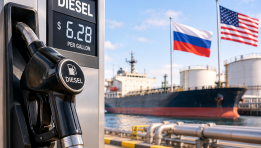
President Donald Trump said Friday that Russia had agreed to immediately supply diesel to the United States and global
- Ronny Mor
- •
- 6 Min Read
- •
- ago 1 day
SKN | Gold Prices Rise as Dollar Weakens and Treasury Yields Fall
Gold prices advanced on Friday as a softer U.S. dollar and easing Treasury yields supported demand for the precious metal.
- ago 1 day
- •
- 6 Min Read
Gold prices advanced on Friday as a softer U.S. dollar and easing Treasury yields supported demand for the precious metal.

- sagi habasov
- •
- 7 Min Read
- •
- ago 1 day
SKN | Oil Prices Fall as Trump Rules Out Iran Strikes Before U.S. Midterms
Oil prices retreated from their session highs on October 8 after U.S. President Donald Trump said Washington would not launch
- ago 1 day
- •
- 7 Min Read
Oil prices retreated from their session highs on October 8 after U.S. President Donald Trump said Washington would not launch

- orshu
- •
- 7 Min Read
- •
- ago 2 days
SKN | Oil Prices Jump 5% Before Easing as Trump Rules Out Iran Attack This Month
Oil prices surged more than 5% on Thursday before paring gains after President Donald Trump said the United States
- ago 2 days
- •
- 7 Min Read
Oil prices surged more than 5% on Thursday before paring gains after President Donald Trump said the United States

