




- Ronny Mor
- •
- 6 Min Read
- •
- 1 month ago


Key Points
- Brent crude rose 0.92% to $95.52 a barrel, while WTI gained 0.89% to $91.02 in early Wednesday trading.
- Both benchmarks had gained more than $4 a barrel in the previous session as renewed US-Iran fighting intensified concerns over Middle East energy supplies.
- Disruptions around the Strait of Hormuz could add further inflationary pressure and complicate the outlook for global interest rates and economic growth.

Oil prices extended their sharp rally on Wednesday as renewed military strikes between the United States and Iran increased concerns over potential disruptions to global energy supplies. The move comes after both major crude benchmarks posted gains of more than $4 a barrel in the previous session, highlighting how quickly geopolitical developments are being reflected across commodity and financial markets.
Renewed US-Iran Conflict Pushes Crude Higher
Brent crude futures rose 87 cents, or 0.92%, to $95.52 a barrel in early trading, while US West Texas Intermediate crude gained 80 cents, or 0.89%, to $91.02. Tuesday’s rally represented the strongest daily increase for Brent since late July and the largest gain for WTI since July 23, pushing both benchmarks to their highest levels in several weeks.
The latest escalation followed a series of US airstrikes against targets in Iran and subsequent Iranian retaliation. The renewed exchange of attacks has weakened expectations that tensions could ease quickly, prompting traders to place a larger premium on the possibility of prolonged disruption across the region.
Strait of Hormuz Remains the Critical Risk
The Strait of Hormuz remains central to the oil market outlook because of its importance to global energy transportation. Any sustained disruption to commercial shipping through the waterway could restrict supplies reaching international markets and increase transportation and insurance costs for energy companies.
The risk is particularly significant because oil markets have limited flexibility when physical supply routes are disrupted suddenly. Even if production remains available at the source, delays in shipping can tighten regional markets and encourage buyers to compete for alternative cargoes, amplifying price volatility.
Higher Oil Prices Complicate the Global Economic Outlook
The renewed crude rally also carries implications beyond the energy sector. Higher oil prices can increase transportation, manufacturing and consumer costs, potentially reviving inflationary pressure at a time when central banks are closely monitoring price stability.
For major economies, sustained energy inflation could complicate monetary-policy decisions by limiting the room for interest-rate reductions. Equity markets may also remain sensitive to further increases in crude prices, particularly if higher energy costs begin to weaken corporate margins or consumer spending.
For Israel and other energy-importing economies, the global oil move could translate into higher fuel and transportation costs if elevated prices persist. The impact on domestic inflation and the broader cost of living will depend on the duration and scale of the disruption.
What Investors Will Watch Next
The next phase of the conflict will remain the dominant variable for oil markets. Traders will closely monitor developments around the Strait of Hormuz, shipping activity, additional attacks on energy infrastructure and any diplomatic efforts aimed at reducing tensions. If disruptions remain limited, some of the geopolitical premium could eventually fade; however, a prolonged interruption to regional energy flows could push crude prices materially higher and create a broader inflationary shock across global markets.
Comparison, examination, and analysis between investment houses
Leave your details, and an expert from our team will get back to you as soon as possible
* This article, in whole or in part, does not contain any promise of investment returns, nor does it constitute professional advice to make investments in any particular field.
To read more about the full disclaimer, click here
- Ronny Mor
- •
- 7 Min Read
- •
- ago 2 days
SKN | Trump Says Russia Will Supply Diesel to U.S. and Global Markets as Fuel Prices Rise
President Donald Trump said Friday that Russia had agreed to immediately supply diesel to the United States and global
- ago 2 days
- •
- 7 Min Read
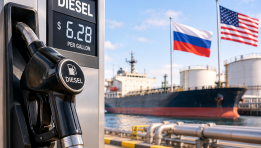
President Donald Trump said Friday that Russia had agreed to immediately supply diesel to the United States and global
- Ronny Mor
- •
- 6 Min Read
- •
- ago 2 days
SKN | Gold Prices Rise as Dollar Weakens and Treasury Yields Fall
Gold prices advanced on Friday as a softer U.S. dollar and easing Treasury yields supported demand for the precious metal.
- ago 2 days
- •
- 6 Min Read

Gold prices advanced on Friday as a softer U.S. dollar and easing Treasury yields supported demand for the precious metal.

- sagi habasov
- •
- 7 Min Read
- •
- ago 2 days
SKN | Oil Prices Fall as Trump Rules Out Iran Strikes Before U.S. Midterms
Oil prices retreated from their session highs on October 8 after U.S. President Donald Trump said Washington would not launch
- ago 2 days
- •
- 7 Min Read
Oil prices retreated from their session highs on October 8 after U.S. President Donald Trump said Washington would not launch

- orshu
- •
- 7 Min Read
- •
- ago 3 days
SKN | Oil Prices Jump 5% Before Easing as Trump Rules Out Iran Attack This Month
Oil prices surged more than 5% on Thursday before paring gains after President Donald Trump said the United States
- ago 3 days
- •
- 7 Min Read
Oil prices surged more than 5% on Thursday before paring gains after President Donald Trump said the United States
