




- sagi habasov
- •
- 6 Min Read
- •
- 19 seconds ago


Key Points
- U.S. forces launched fresh strikes against Iranian Revolutionary Guard targets after renewed attacks and attempted attacks on commercial shipping in the Strait of Hormuz.
- Brent crude climbed above $92 a barrel as markets priced a higher risk premium into energy markets amid renewed concerns over regional supply disruptions.
- The escalation increases uncertainty for global inflation, shipping costs, currencies and risk assets, particularly if disruptions around the Strait persist.
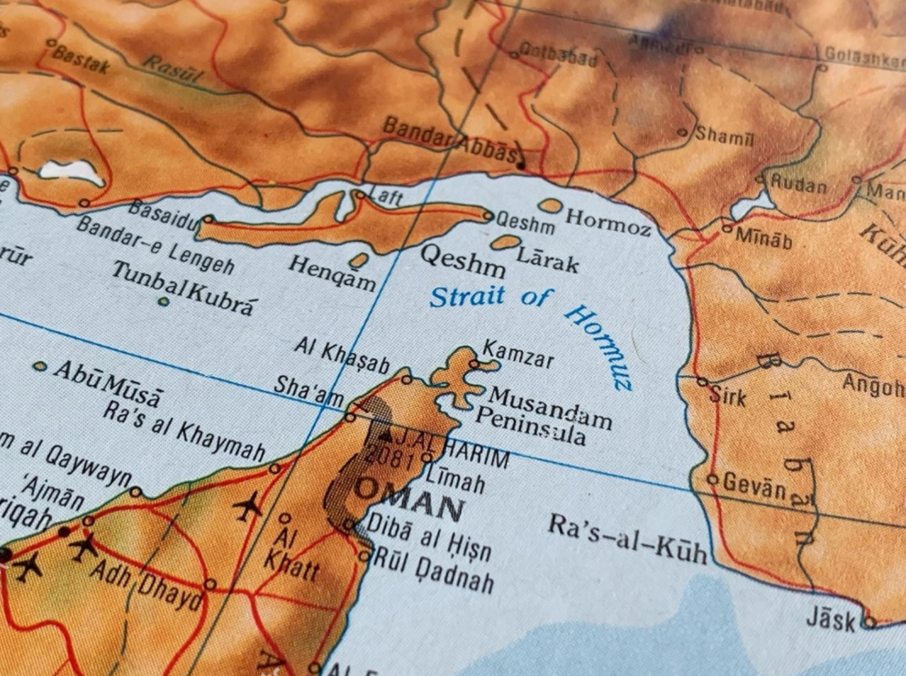
The United States launched fresh strikes against targets linked to Iran’s Islamic Revolutionary Guard Corps (IRGC) on September 1, following renewed attacks and attempted attacks involving commercial shipping in the Strait of Hormuz. The escalation represents a renewed geopolitical risk for global markets, placing energy supplies, maritime trade and inflation expectations back at the center of investor attention.
Hormuz Escalation Raises Maritime Security Risks
According to U.S. Central Command, the latest strikes followed recent attempted IRGC attacks against commercial vessels and U.S. personnel operating in the region. The development came shortly after U.S. forces conducted what they described as limited action against Iranian rocket launchers on Larak Island, with Washington citing concerns over potential threats to maritime traffic. U.S. officials have framed the military response around protecting commercial shipping and maintaining freedom of navigation.
The commercial shipping environment has already become increasingly difficult. Two oil tankers carrying Saudi crude were reportedly struck by projectiles while transiting the Strait on Monday, although no casualties were reported. The incidents underscore the vulnerability of a waterway that remains critical to global energy markets.
Oil Markets Reprice Geopolitical Risk
Energy markets reacted quickly to the renewed escalation. Brent crude rose roughly 2% and moved above $92 a barrel, while other market reports showed prices reaching levels above $94 during the session. The move reflects a growing geopolitical premium as traders assess whether the latest confrontation will materially restrict oil flows or remain contained.
The Strait of Hormuz is particularly important because it carries a substantial share of global oil trade. Continued disruption could therefore feed into transportation costs, refined-product prices and inflation expectations, potentially complicating monetary policy decisions in major economies. At the same time, a rapid de-escalation could cause part of the geopolitical premium to unwind, limiting the persistence of the oil-price increase.
Implications for Israeli and Global Investors
For Israeli investors, the renewed U.S.-Iran confrontation carries implications across equities, energy markets, currencies and government bonds. Higher oil prices could benefit energy-related companies while increasing input costs for transportation, manufacturing and other energy-intensive industries. At the same time, renewed regional uncertainty may strengthen demand for defensive assets and increase volatility across global risk markets.
Outlook: The next phase of the confrontation will depend heavily on whether the United States and Iran limit the latest exchange of attacks or enter another cycle of retaliation. Investors are likely to monitor commercial vessel traffic through Hormuz, Brent crude prices, shipping insurance costs, regional military activity and diplomatic signals. A prolonged disruption could sustain inflationary pressure and widen geopolitical risk premiums, while meaningful de-escalation could allow some of those premiums to reverse. For global and Israeli asset allocators, maintaining a balanced assessment of both potential market opportunities and downside risks remains particularly important while the security situation remains fluid.
Comparison, examination, and analysis between investment houses
Leave your details, and an expert from our team will get back to you as soon as possible
* This article, in whole or in part, does not contain any promise of investment returns, nor does it constitute professional advice to make investments in any particular field.
To read more about the full disclaimer, click here
- orshu
- •
- 6 Min Read
- •
- ago 2 hours
SKN | U.S. Labor Market Holds Steady in July as Hiring and Layoffs Edge Lower
The U.S. labor market remained broadly stable in July, with job openings, hiring, and layoffs showing limited month-to-month movement.
- ago 2 hours
- •
- 6 Min Read

The U.S. labor market remained broadly stable in July, with job openings, hiring, and layoffs showing limited month-to-month movement.

- omer bar
- •
- 5 Min Read
- •
- ago 2 hours
SKN | Why Are Stocks Slipping as Treasury Yields Hit a 2025 High?
Treasury Yields Put Pressure on Equities The latest move in Treasury markets is becoming an increasingly important factor for investors
- ago 2 hours
- •
- 5 Min Read

Treasury Yields Put Pressure on Equities The latest move in Treasury markets is becoming an increasingly important factor for investors

- sagi habasov
- •
- 7 Min Read
- •
- ago 6 hours
SKN | Toyota and Honda Face Heightened Risk as Trump’s Canadian Auto Tariffs Threaten North American Supply Chains
Toyota and Honda are emerging as the automakers potentially most exposed to the latest escalation in U.S.-Canada trade tensions.
- ago 6 hours
- •
- 7 Min Read

Toyota and Honda are emerging as the automakers potentially most exposed to the latest escalation in U.S.-Canada trade tensions.
- orshu
- •
- 7 Min Read
- •
- ago 7 hours
SKN | Russia Cuts 2026 Oil Production Forecast to 17-Year Low as Ukraine War Disrupts Energy Infrastructure
Russia has sharply lowered its forecast for 2026 oil production, with a draft government projection pointing to 494.2 million
- ago 7 hours
- •
- 7 Min Read
Russia has sharply lowered its forecast for 2026 oil production, with a draft government projection pointing to 494.2 million
