




- omer bar
- •
- 5 Min Read
- •
- 25 seconds ago


Key Points
- U.S. stocks came under pressure Tuesday as rising long-term Treasury yields and renewed expectations for higher interest rates challenged the strong equity-market momentum of recent months.
- Oil prices also moved higher after President Donald Trump threatened further action against Iran, raising concerns that another energy shock could keep inflation elevated and complicate the Federal Reserve's policy outlook.
- Investors are now turning to corporate earnings, with Dell Technologies and Palo Alto Networks among the companies scheduled to report after the market close and provide fresh signals on technology and AI spending.
Treasury Yields Put Pressure on Equities
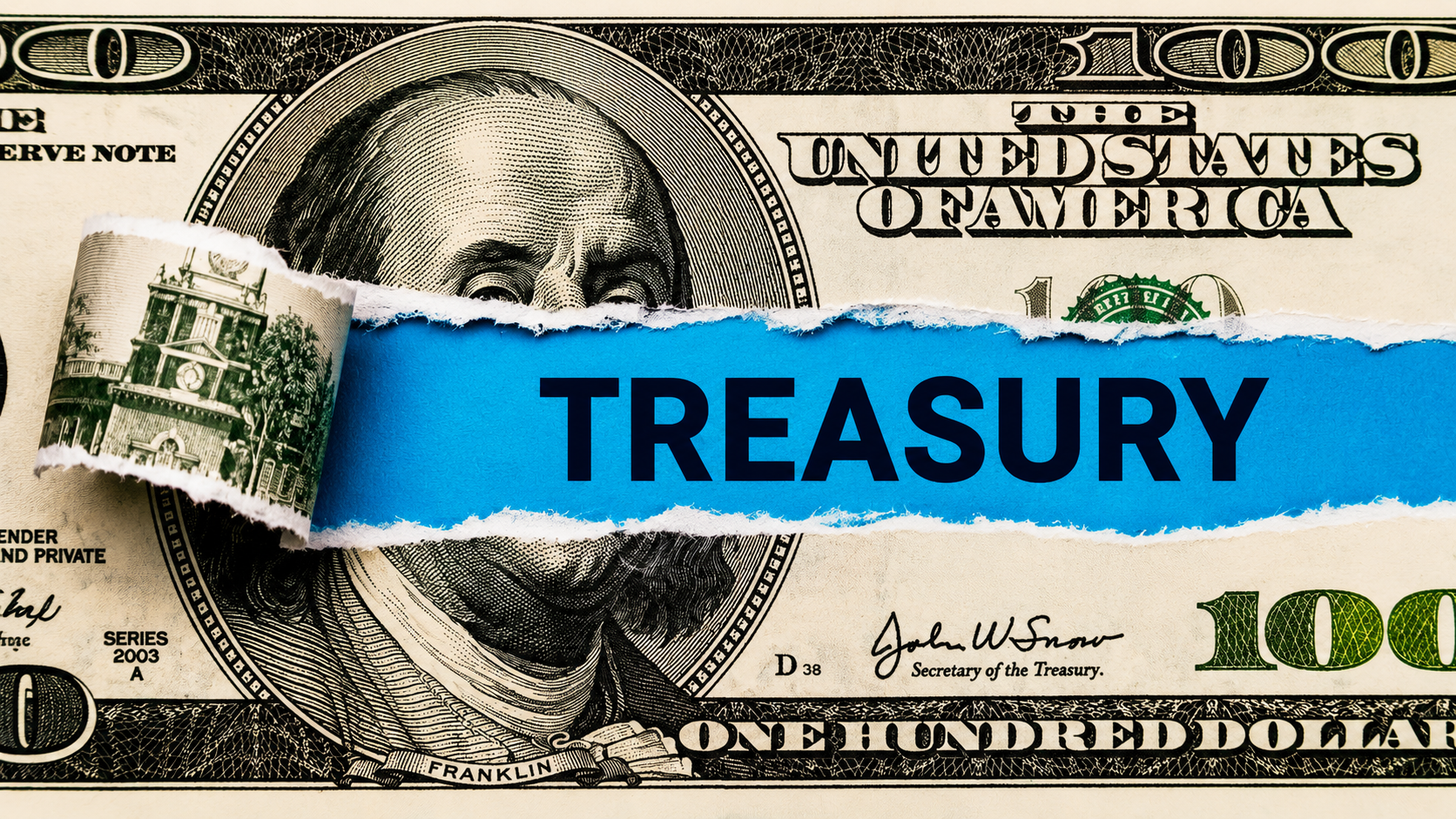
The latest move in Treasury markets is becoming an increasingly important factor for investors entering September. The U.S. 10-year Treasury yield reached its highest level since January 2025, reflecting growing concern that inflation may remain persistent enough to keep monetary policy tighter for longer.
Higher long-term yields can create a difficult environment for stocks because they increase the relative attractiveness of bonds while raising the discount rate applied to future corporate earnings. Growth-oriented companies are particularly sensitive to that shift, helping explain why technology and semiconductor shares were among the weaker areas in early Tuesday trading.
Oil Adds Another Inflation Risk
The bond-market pressure was reinforced by another jump in oil prices after President Trump vowed to hit Iran “hard.” The renewed geopolitical tension has increased the possibility of disruptions across energy markets, creating an additional inflation risk just as investors are reassessing the Federal Reserve’s next move.
Energy stocks moved in the opposite direction. Shares of major producers including Chevron and Exxon advanced as crude prices climbed, highlighting the increasingly pronounced divergence between energy companies and rate-sensitive technology stocks. If elevated oil prices persist, however, the broader economic impact could become more significant by raising transportation, manufacturing and consumer costs.
AI Trade Faces a New Test
The technology sector entered September with momentum from a strong earnings season, but Tuesday’s trading showed how quickly higher yields can challenge enthusiasm surrounding artificial intelligence. Semiconductor stocks led the decline, with Nvidia among the notable names under pressure.
The next major test arrives after the closing bell when Dell Technologies and Palo Alto Networks report results. Dell’s numbers should provide another indication of whether spending on AI servers and data-center infrastructure remains strong enough to support elevated technology valuations. Palo Alto Networks, meanwhile, offers a read on demand for cybersecurity software as businesses continue increasing their technology investments.
What Investors Should Watch Next
The immediate market focus is likely to remain split between inflation-sensitive macroeconomic signals and company-specific earnings strength. Investors will be watching Treasury yields, oil prices and expectations for Federal Reserve policy alongside corporate guidance. September’s historically weaker seasonal pattern could amplify volatility if rising yields begin to undermine confidence in the AI-led rally. Conversely, strong earnings and resilient technology demand could demonstrate that corporate fundamentals remain capable of absorbing higher borrowing costs.
Comparison, examination, and analysis between investment houses
Leave your details, and an expert from our team will get back to you as soon as possible
* This article, in whole or in part, does not contain any promise of investment returns, nor does it constitute professional advice to make investments in any particular field.
To read more about the full disclaimer, click here
- sagi habasov
- •
- 7 Min Read
- •
- ago 3 hours
SKN | Toyota and Honda Face Heightened Risk as Trump’s Canadian Auto Tariffs Threaten North American Supply Chains
Toyota and Honda are emerging as the automakers potentially most exposed to the latest escalation in U.S.-Canada trade tensions.
- ago 3 hours
- •
- 7 Min Read

Toyota and Honda are emerging as the automakers potentially most exposed to the latest escalation in U.S.-Canada trade tensions.

- orshu
- •
- 7 Min Read
- •
- ago 4 hours
SKN | Russia Cuts 2026 Oil Production Forecast to 17-Year Low as Ukraine War Disrupts Energy Infrastructure
Russia has sharply lowered its forecast for 2026 oil production, with a draft government projection pointing to 494.2 million
- ago 4 hours
- •
- 7 Min Read
Russia has sharply lowered its forecast for 2026 oil production, with a draft government projection pointing to 494.2 million

- Ronny Mor
- •
- 7 Min Read
- •
- ago 5 hours
SKN | U.S. Markets Enter September Under Pressure as Rising Yields and Oil Reshape Fed Expectations
U.S. equity futures entered September under pressure as rising Treasury yields and higher crude oil prices prompted investors to
- ago 5 hours
- •
- 7 Min Read

U.S. equity futures entered September under pressure as rising Treasury yields and higher crude oil prices prompted investors to
- orshu
- •
- 10 Min Read
- •
- ago 7 hours
SKN | Tel Aviv Stocks Trade Mixed as TA-90 Gains 0.74% While TA-35 Holds Near Flat
Tel Aviv financial markets are trading with a moderately constructive tone, although performance remains mixed across the major benchmarks. The
- ago 7 hours
- •
- 10 Min Read

Tel Aviv financial markets are trading with a moderately constructive tone, although performance remains mixed across the major benchmarks. The
