




- sagi habasov
- •
- 6 Min Read
- •
- 19 seconds ago


Key Points
- FX Rate Realignment Ahead of BOI Announcement: The US Dollar logged a modest 0.2% advance to trade at 2.989 ILS, while the Euro (-0.4% to 3.469 ILS) and British Pound (-0.4% to 4.049 ILS) absorbed selling pressure as domestic clearings await Bank of Israel’s rate decision.
- Global Monetary Divergence vs. Domestic Disinflation: Hawkish guidance from Federal Reserve Chair Kevin Warsh at Jackson Hole reinforces potential G7 tightening, yet domestic Israeli inflation parameters (projected at 2.0% over the trailing 12 months) present a tactical window for a single benchmark reduction toward 3.25%.
- Wage Growth Transmission Dynamics: Despite nominal wage growth accelerating at ~7%, service sector disinflation suggests underlying gains in labor productivity, supporting anchored 2-year inflation expectations at 1.8%—below the central bank's midpoint target.
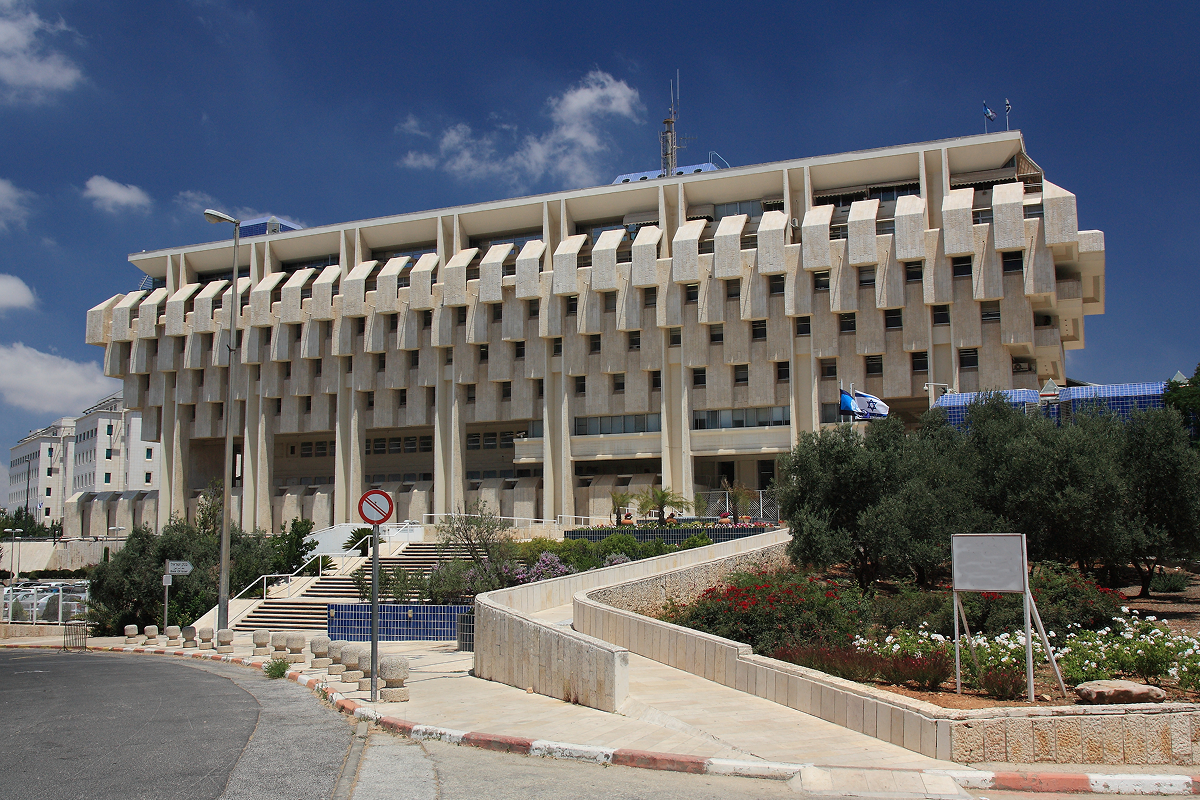
Systemic realignments across domestic foreign exchange clearings and sovereign yield curves initialized on September 1, 2026 under heightened market focus. Ahead of the Bank of Israel’s upcoming interest rate announcement, institutional desks assign equivalent probabilities to a rate hold at 3.50% versus a tactical 25 bps rate cut to 3.25%. The Shekel’s structural consolidation beneath the 2.99 USD/ILS floor provides monetary authorities with operational flexibility to alleviate credit costs, though hawkish G7 central bank trajectories constrain long-term easing cycles.
Pricing Mechanics: Jackson Hole Signals and Foreign Exchange Pass-Through
The Bank of Israel’s policy review interfaces with divergent global and domestic macro conditions:
The Global Clearing Environment: Federal Reserve Chair Kevin Warsh’s address at Jackson Hole signaled a hawkish stance, emphasizing that persistent global inflation risks may necessitate further US rate hikes. This trajectory supported a moderate gain in the US Dollar Index (DXY) to 99.443, alongside USD gains against the Japanese Yen (159.88).
Domestic Currency Clearing: Shekel strength against European currencies (Euro at 3.469 ILS, Sterling at 4.049 ILS) highlights solid local currency demand. Sustained Shekel appreciation mitigates imported cost inflation, acting as a natural disinflationary buffer that allows domestic rate adjustments without destabilizing FX clearings.
Macro analysts at Bank Hapoalim note that while G7 monetary signals do not actively support rate reductions, domestic disinflation metrics create a temporary operational window for a rate cut. However, derivative markets do not price an extended easing cycle, projecting terminal stabilization near 3.25% due to anticipated fiscal adjustments by the incoming government that could introduce secondary price pressures.
Labor Market Factors: Wage Expansion vs. Productivity Realities
A core variable for institutional portfolio allocators is the divergence between nominal wage inflation and core service CPI trends. While average monthly wages expanded at a rapid 7% annualized rate, service-sector price inflation exhibited deceleration over trailing clearings.
If this divergence reflects expanding structural labor productivity, it validates long-term inflation expectations anchored at 1.8% over a two-year horizon. Conversely, if wage gains outpace underlying productivity metrics, secondary inflation pressures could re-emerge, forcing the central bank to pause rate adjustments and maintain restrictive monetary policy over extended market cycles.
Conclusion
Shekel strength combined with the pending Bank of Israel rate decision confirms that Israeli capital markets in September 2026 operate under disciplined analytical parameters. Institutional allocators recognize that a tactical rate reduction to 3.25% would optimize corporate borrowing costs and sovereign debt valuations, yet the rate differential against the US Dollar and pending fiscal policy updates will cap total monetary easing. Over the medium term, market stability depends on maintaining CPI prints near the 2.0% target despite wage pressures. For long-term investors, navigating current market conditions requires bypassing short-term FX speculation, adhering to a balanced asset allocation strategy combining defensive value equities with high-grade corporate bonds and sovereign fixed-income assets to protect real purchasing power across economic cycles.
Comparison, examination, and analysis between investment houses
Leave your details, and an expert from our team will get back to you as soon as possible
* This article, in whole or in part, does not contain any promise of investment returns, nor does it constitute professional advice to make investments in any particular field.
To read more about the full disclaimer, click here
- Ronny Mor
- •
- 6 Min Read
- •
- ago 2 hours
SKN | Euro Zone Inflation Climbs to 3.3% as Energy Shock Strengthens ECB Rate-Hike Expectations
Euro zone inflation accelerated sharply in August, rising to 3.3% from 2.9% in July and moving further above the
- ago 2 hours
- •
- 6 Min Read

Euro zone inflation accelerated sharply in August, rising to 3.3% from 2.9% in July and moving further above the

- sagi habasov
- •
- 7 Min Read
- •
- ago 14 hours
SKN | Japan’s Capital Spending Accelerates, Strengthening the Economic Outlook and BOJ Rate-Hike Case
Japan’s corporate capital spending is gathering momentum, providing a stronger foundation for economic growth and potentially strengthening the case for
- ago 14 hours
- •
- 7 Min Read

Japan’s corporate capital spending is gathering momentum, providing a stronger foundation for economic growth and potentially strengthening the case for

- orshu
- •
- 8 Min Read
- •
- ago 18 hours
SKN | Swiss Bankers See Zero Interest Rates Holding Through 2026
Switzerland's banking sector is increasingly preparing for an extended period of zero interest rates, with bankers expecting the Swiss
- ago 18 hours
- •
- 8 Min Read
Switzerland's banking sector is increasingly preparing for an extended period of zero interest rates, with bankers expecting the Swiss

- Lior mor
- •
- 6 Min Read
- •
- ago 21 hours
SKN | Is Israel’s Central Bank Preparing to Cut Rates in September?
Israel’s interest-rate outlook is entering a potentially important phase as economists increasingly anticipate a reduction in the Bank of Israel’s
- ago 21 hours
- •
- 6 Min Read

Israel’s interest-rate outlook is entering a potentially important phase as economists increasingly anticipate a reduction in the Bank of Israel’s
