




- Ronny Mor
- •
- 6 Min Read
- •
- 13 seconds ago


Key Points
- Euro zone inflation accelerated to 3.3% in August, up from 2.9% in July, according to Eurostat data.
- The increase was driven primarily by higher energy costs, while core inflation eased to 2.4%, suggesting that underlying price pressures remain comparatively contained.
- Markets are increasingly pricing a 25-basis-point ECB rate hike in September, although the longer-term path remains dependent on energy prices, growth, and inflation expectations.
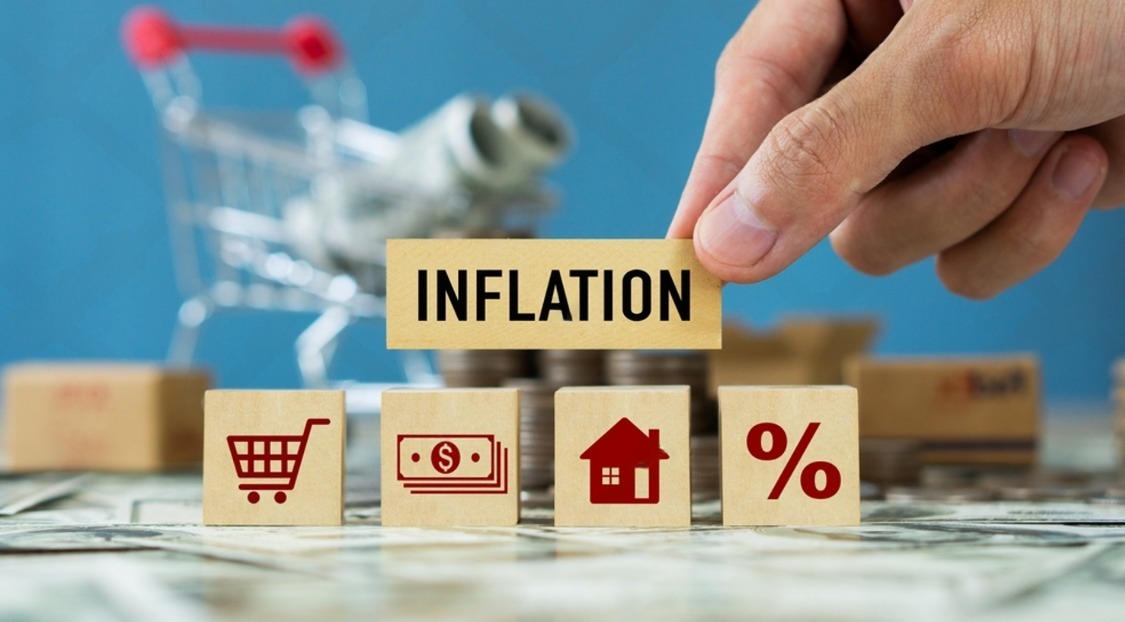
Euro zone inflation accelerated sharply in August, rising to 3.3% from 2.9% in July and moving further above the European Central Bank’s 2% target. The increase, driven largely by higher energy prices amid continuing geopolitical disruptions, has strengthened expectations that the ECB will raise interest rates again in September, adding a new layer of complexity to the region’s monetary and economic outlook.
Energy Costs Push Inflation Above 3%
The latest inflation increase was concentrated primarily in the energy component, with higher crude oil and natural gas prices contributing significantly to the acceleration. Energy inflation rose sharply as geopolitical tensions continued to disrupt regional energy markets, reinforcing concerns that elevated input costs could gradually affect household purchasing power and corporate margins.
The development represents a meaningful change from the relatively moderate inflation environment seen earlier in the year. For European consumers and businesses, sustained energy inflation could translate into higher transportation, production, and operating costs, potentially weighing on demand if the pressure persists.
Core Inflation Offers Some Reassurance
Despite the headline acceleration, the underlying inflation picture was less concerning. Core inflation eased to 2.4% from 2.5%, while services inflation declined to 3.0% from 3.3%. The moderation suggests that the latest increase has not yet generated broad second-round effects across the economy, reducing the immediate risk that the ECB will need to respond with a more aggressive tightening cycle.
This distinction will remain important for policymakers. If energy prices stabilize, headline inflation could eventually moderate without a significant acceleration in underlying price pressures. However, a prolonged period of elevated energy costs could still feed into wages, services, and corporate pricing decisions, creating a more persistent inflation challenge.
ECB Policy Becomes a Central Market Focus
The inflation data have reinforced expectations for an ECB deposit-rate increase to 2.50% at the September 10 meeting, which would represent the central bank’s second rate increase of the year. Markets had already largely anticipated the move, meaning the greater uncertainty now concerns what happens after September rather than whether policymakers act at the upcoming meeting.
For European bond and equity markets, the policy outlook could become increasingly important. Higher rates may support the euro and reinforce the attractiveness of euro-denominated fixed-income assets, but they could also increase borrowing costs for households and companies at a time when regional economic growth remains relatively subdued.
Outlook: The near-term outlook for European markets is likely to remain highly sensitive to the interaction between energy prices, inflation, and ECB policy. A stabilization in crude oil and natural gas prices could allow headline inflation to moderate while giving policymakers greater flexibility after a September rate increase. Conversely, another sustained energy shock could push inflation higher and increase the probability of additional tightening, potentially weighing on economic activity and risk assets. For Israeli investors with exposure to European equities, bonds, or the euro, monitoring ECB guidance, energy markets, core inflation, and euro-area growth indicators will remain particularly important as policymakers balance price stability against the risk of weakening economic momentum.
Comparison, examination, and analysis between investment houses
Leave your details, and an expert from our team will get back to you as soon as possible
* This article, in whole or in part, does not contain any promise of investment returns, nor does it constitute professional advice to make investments in any particular field.
To read more about the full disclaimer, click here
- sagi habasov
- •
- 7 Min Read
- •
- ago 12 hours
SKN | Japan’s Capital Spending Accelerates, Strengthening the Economic Outlook and BOJ Rate-Hike Case
Japan’s corporate capital spending is gathering momentum, providing a stronger foundation for economic growth and potentially strengthening the case for
- ago 12 hours
- •
- 7 Min Read

Japan’s corporate capital spending is gathering momentum, providing a stronger foundation for economic growth and potentially strengthening the case for

- orshu
- •
- 8 Min Read
- •
- ago 16 hours
SKN | Swiss Bankers See Zero Interest Rates Holding Through 2026
Switzerland's banking sector is increasingly preparing for an extended period of zero interest rates, with bankers expecting the Swiss
- ago 16 hours
- •
- 8 Min Read
Switzerland's banking sector is increasingly preparing for an extended period of zero interest rates, with bankers expecting the Swiss

- Lior mor
- •
- 6 Min Read
- •
- ago 19 hours
SKN | Is Israel’s Central Bank Preparing to Cut Rates in September?
Israel’s interest-rate outlook is entering a potentially important phase as economists increasingly anticipate a reduction in the Bank of Israel’s
- ago 19 hours
- •
- 6 Min Read

Israel’s interest-rate outlook is entering a potentially important phase as economists increasingly anticipate a reduction in the Bank of Israel’s
- orshu
- •
- 6 Min Read
- •
- ago 4 days
SKN | Canada’s Economy Rebounds as Strong Exports and Domestic Demand Drive Second Quarter Growth
Canada’s economy delivered a stronger-than-expected rebound in the second quarter of 2026, supported by improving domestic demand and a
- ago 4 days
- •
- 6 Min Read

Canada’s economy delivered a stronger-than-expected rebound in the second quarter of 2026, supported by improving domestic demand and a
