




- Lior mor
- •
- 6 Min Read
- •
- 34 seconds ago


Key Points
- John Ternus officially becomes Apple's CEO on September 1, succeeding Tim Cook after 15 years at the helm.
- His most immediate strategic challenges include accelerating Apple's artificial intelligence strategy, managing China and supply-chain exposure, and maintaining the company's innovation pipeline.
- The transition also places greater emphasis on the next phase of Apple's growth beyond the iPhone, while Cook remains executive chairman and is expected to assist with global policy relationships.
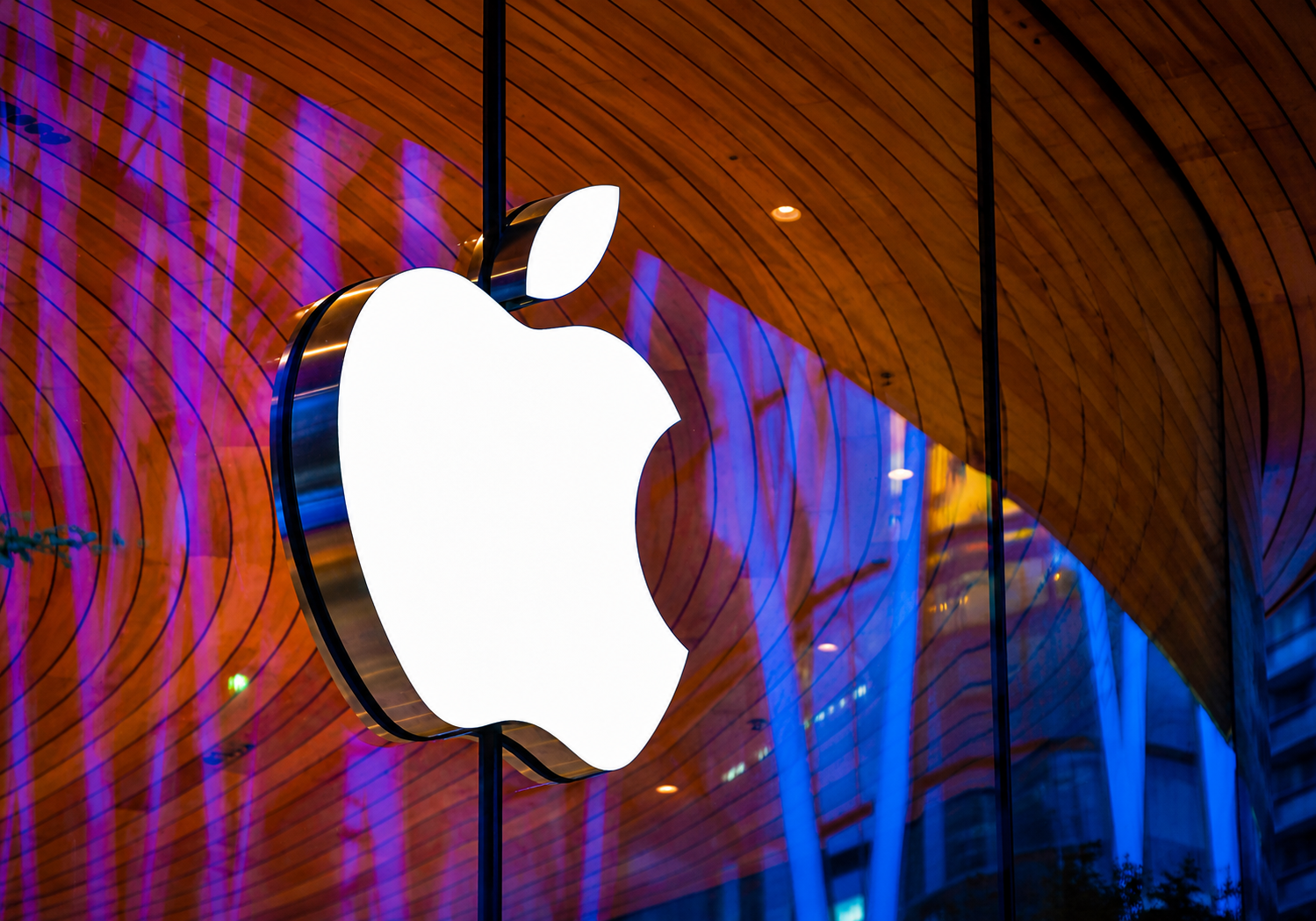
Apple enters a new leadership era on September 1 as John Ternus takes over as chief executive officer from Tim Cook, marking one of the company’s most significant transitions in more than a decade. Ternus, a longtime hardware engineering leader, inherits a global technology giant at a strategically important moment, with artificial intelligence, geopolitical tensions, regulation and the search for new growth opportunities reshaping the competitive landscape.
AI Represents Ternus’s Most Immediate Strategic Test
One of Ternus’s central challenges will be closing the gap between Apple’s AI ambitions and the pace of development among competitors. Apple has been working to improve Apple Intelligence and its Siri platform, while the broader technology industry has moved rapidly toward generative and agentic AI. The company has also increasingly relied on strategic partnerships as it develops its next generation of AI capabilities, raising questions about how quickly Apple can establish a differentiated ecosystem while maintaining its emphasis on privacy and integrated hardware-software experiences.
China, Trade Policy and Supply Chains Add Complexity
Ternus will also inherit a delicate geopolitical balancing act. Apple remains deeply connected to China through manufacturing and its consumer market, while U.S.-China tensions, tariffs and changing global trade policies create potential risks for costs, production flexibility and demand. Tim Cook will remain as executive chairman and is expected to assist with relationships involving policymakers, providing continuity as Ternus adjusts to responsibilities extending well beyond product engineering.
For investors, the broader issue is whether Ternus can preserve Apple’s operational discipline while generating a new phase of growth. The iPhone remains central to Apple’s ecosystem, but market saturation increases the importance of services, emerging devices and new product categories. Analysts and industry observers are therefore likely to watch whether Ternus can convert Apple’s enormous installed base into sustainable growth while protecting margins and maintaining customer loyalty.
What the Leadership Change Means for Global and Israeli Investors
For Israeli investors, Apple’s transition is relevant not only because of the company’s weight in global equity portfolios, but also because its strategy influences the broader technology supply chain. Semiconductor companies, software developers, cloud providers and Asian manufacturing partners can all be affected by Apple’s decisions regarding AI infrastructure, product development and sourcing.
Outlook: Ternus’s first year is likely to be judged less by an immediate change in Apple’s financial profile and more by evidence that the company can establish a credible long-term growth strategy. Progress in AI, supply-chain diversification and new product development could strengthen investor confidence, while delays, regulatory pressure, geopolitical disruption or continued talent losses could increase uncertainty. With Cook remaining involved as executive chairman, the transition offers continuity, but the key question for markets will be whether Ternus receives—and effectively uses—the strategic room needed to define Apple’s next chapter.
Comparison, examination, and analysis between investment houses
Leave your details, and an expert from our team will get back to you as soon as possible
* This article, in whole or in part, does not contain any promise of investment returns, nor does it constitute professional advice to make investments in any particular field.
To read more about the full disclaimer, click here
- Arik Arkadi Sluzki
- •
- 6 Min Read
- •
- ago 2 hours
SKN | Alphabet Ends the Week Lower as AI Talent Losses Raise Fresh Questions Over Its Competitive Edge
Alphabet Inc. ended the latest full trading week modestly lower as investors continued reassessing the technology giant's position in
- ago 2 hours
- •
- 6 Min Read
Alphabet Inc. ended the latest full trading week modestly lower as investors continued reassessing the technology giant's position in

- Ronny Mor
- •
- 6 Min Read
- •
- ago 3 hours
SKN | Could Credo’s Open CPX MSA Move Reshape Optical Connectivity for AI Data Centers?
Credo Technology Group Holding has become a member of the Open CPX MSA, an industry consortium focused on developing common
- ago 3 hours
- •
- 6 Min Read
Credo Technology Group Holding has become a member of the Open CPX MSA, an industry consortium focused on developing common

- omer bar
- •
- 6 Min Read
- •
- ago 4 hours
SKN | Nvidia AI Demand Gains Fresh Support as Anthropic Signs $35 Billion Cloud Deal With Nvidia-Backed Lambda
Nvidia remains at the center of the global artificial intelligence infrastructure cycle as Anthropic reportedly agreed to a $35
- ago 4 hours
- •
- 6 Min Read
Nvidia remains at the center of the global artificial intelligence infrastructure cycle as Anthropic reportedly agreed to a $35
- omer bar
- •
- 6 Min Read
- •
- ago 9 hours
SKN | Meta Takes Muse Code Out of Beta as Paid Plans Accelerate Its Push Into Agentic Software Development
Meta is taking Muse Code out of beta and introducing paid plans as the company expands its presence in AI-assisted
- ago 9 hours
- •
- 6 Min Read
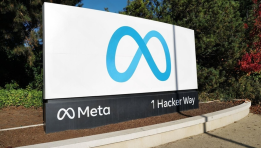
Meta is taking Muse Code out of beta and introducing paid plans as the company expands its presence in AI-assisted
