




- omer bar
- •
- 6 Min Read
- •
- 15 seconds ago


Key Points
- Meta is moving Muse Code beyond its beta phase and introducing paid plans as it expands its AI-powered software development strategy.
- The platform reflects the growing shift from traditional coding assistants toward agentic AI systems capable of handling multi-step development tasks.
- Commercializing Muse Code could strengthen Meta’s AI ecosystem and create another potential revenue channel beyond its core advertising business.
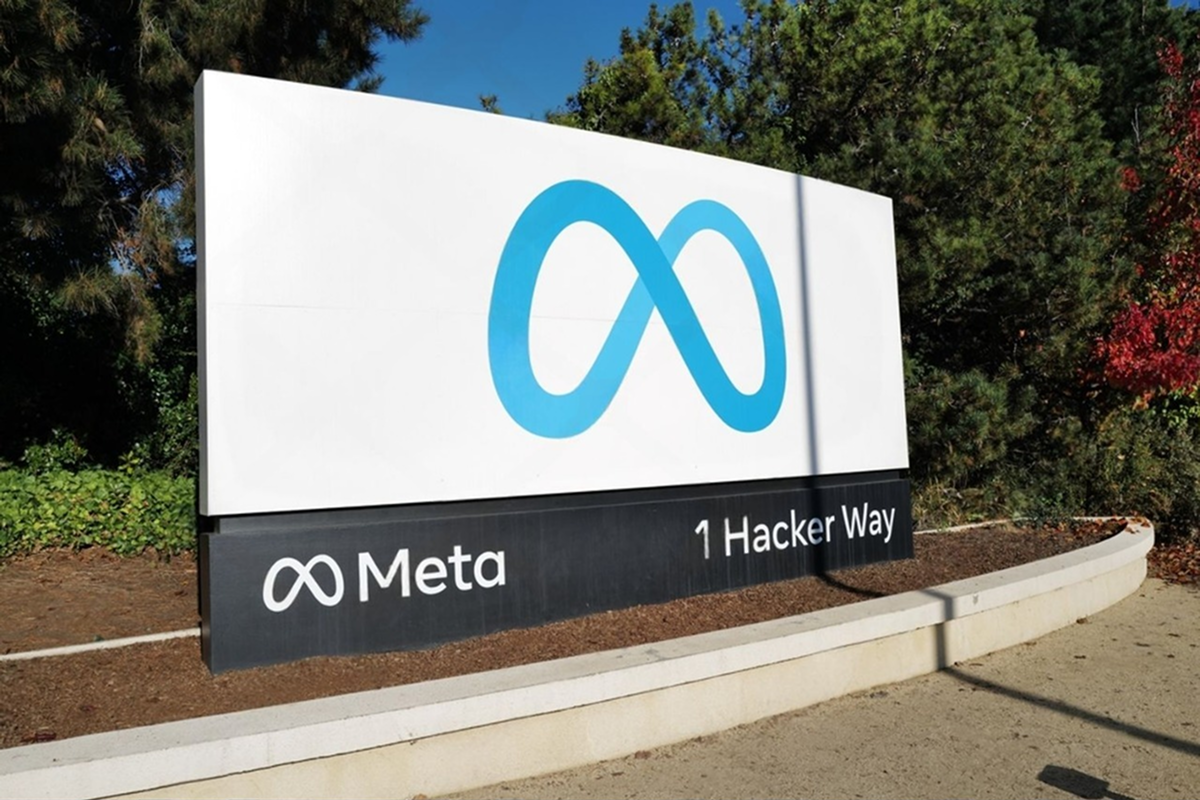
Meta is taking Muse Code out of beta and introducing paid plans as the company expands its presence in AI-assisted software development. The move comes as the technology industry increasingly shifts toward agentic AI, with developers testing systems capable of completing increasingly complex tasks with less direct human intervention.
Meta Moves Muse Code Toward Commercial Deployment
The transition from beta to paid availability represents an important step for Muse Code as Meta seeks to establish a commercial position in the rapidly developing AI coding market. Rather than focusing only on individual code suggestions, agentic development tools are designed to assist with broader workflows, including planning, writing and reviewing code and completing sequences of technical tasks.
For Meta, the commercialization of Muse Code could extend the reach of its artificial-intelligence technology into professional software development. The company has already invested heavily in AI models, computing infrastructure and research, while integrating AI across advertising, social media and consumer products. A developer-focused platform provides another potential channel for turning those investments into recurring commercial activity.
Agentic Software Development Becomes More Competitive
The expansion of Muse Code comes as competition intensifies across the AI coding industry. Technology companies and specialized AI developers are building tools that increasingly operate as autonomous agents rather than conventional assistants. These systems can potentially analyze repositories, identify issues, modify multiple files and execute development tasks as part of a broader workflow.
The economic attraction is clear: if AI agents can reduce the time required for routine development work, companies may be willing to pay for tools that improve engineering productivity. However, reliability remains critical. Errors in autonomous coding can create security vulnerabilities, introduce software defects or increase the amount of human review required. Pricing, performance, integration and trust will therefore play a major role in determining whether developers adopt Muse Code at scale.
What Muse Code Could Mean for META Stock
For investors, Muse Code is unlikely to materially change Meta’s financial profile in the near term given the scale of its advertising business. Its strategic importance could nevertheless increase if paid AI software products develop into a meaningful secondary revenue stream and help Meta build a stronger relationship with professional developers.
The introduction of paid plans also creates a measurable commercial test. User growth, subscription conversion, retention, usage levels and the cost of running the underlying AI infrastructure will help determine whether the platform can develop into a profitable business. Meta will also need to balance commercialization with the substantial capital expenditure required to support its broader AI ambitions.
Going forward, investors will monitor Muse Code’s adoption, Meta’s expansion of agentic capabilities and whether the platform becomes connected to a wider ecosystem of AI products. The larger question for META stock is whether the company can convert its massive AI investments into sustainable revenue opportunities beyond advertising. Muse Code remains an emerging initiative, but its move into paid plans illustrates Meta’s effort to participate directly in the next phase of AI-driven software development.
Comparison, examination, and analysis between investment houses
Leave your details, and an expert from our team will get back to you as soon as possible
* This article, in whole or in part, does not contain any promise of investment returns, nor does it constitute professional advice to make investments in any particular field.
To read more about the full disclaimer, click here
- Ronny Mor
- •
- 6 Min Read
- •
- ago 6 minutes
SKN | Can Rezolve AI’s Tech Mahindra Alliance Accelerate Enterprise Growth?
Rezolve AI is positioning its alliance with Tech Mahindra as a way to move agentic artificial intelligence from experimental deployments
- ago 6 minutes
- •
- 6 Min Read
Rezolve AI is positioning its alliance with Tech Mahindra as a way to move agentic artificial intelligence from experimental deployments
- Ronny Mor
- •
- 7 Min Read
- •
- ago 34 minutes
SKN | South Korea Proposes Record $597 Billion Budget to Accelerate AI and Semiconductor Investment
South Korea has proposed a record 820.9 trillion won budget for 2027 as the government seeks to turn the country’s
- ago 34 minutes
- •
- 7 Min Read

South Korea has proposed a record 820.9 trillion won budget for 2027 as the government seeks to turn the country’s

- omer bar
- •
- 7 Min Read
- •
- ago 3 hours
SKN | Apple Escalates Trade Secrets Fight With OpenAI, Alleging Evidence Was Destroyed
Apple has intensified its legal battle with OpenAI, accusing the AI company and former Apple employees of using confidential information
- ago 3 hours
- •
- 7 Min Read
Apple has intensified its legal battle with OpenAI, accusing the AI company and former Apple employees of using confidential information

- sagi habasov
- •
- 7 Min Read
- •
- ago 4 hours
SKN | Anthropic Signs $35 Billion Lambda Cloud Deal as AI Compute Demand Reshapes the Infrastructure Market
Anthropic has reportedly signed a $35 billion cloud-computing agreement with Lambda, a Nvidia-backed cloud provider, as the rapidly growing demand
- ago 4 hours
- •
- 7 Min Read
Anthropic has reportedly signed a $35 billion cloud-computing agreement with Lambda, a Nvidia-backed cloud provider, as the rapidly growing demand
