




- orshu
- •
- 6 Min Read
- •
- 2 minutes ago


Key Points
- The Tel Aviv-35 declined 0.81% to 4,138.58 points, marking the sharpest drop among the major benchmarks reported for August 31.
- The Tel Aviv-125 fell 0.62% to 4,056.60, while 72 securities declined compared with 51 advancing securities, pointing to broadly negative market breadth.
- Trading remained active, with reported turnover of NIS 3.71 billion in the Tel Aviv-125 and NIS 3.96 billion across the Tel Aviv-200.
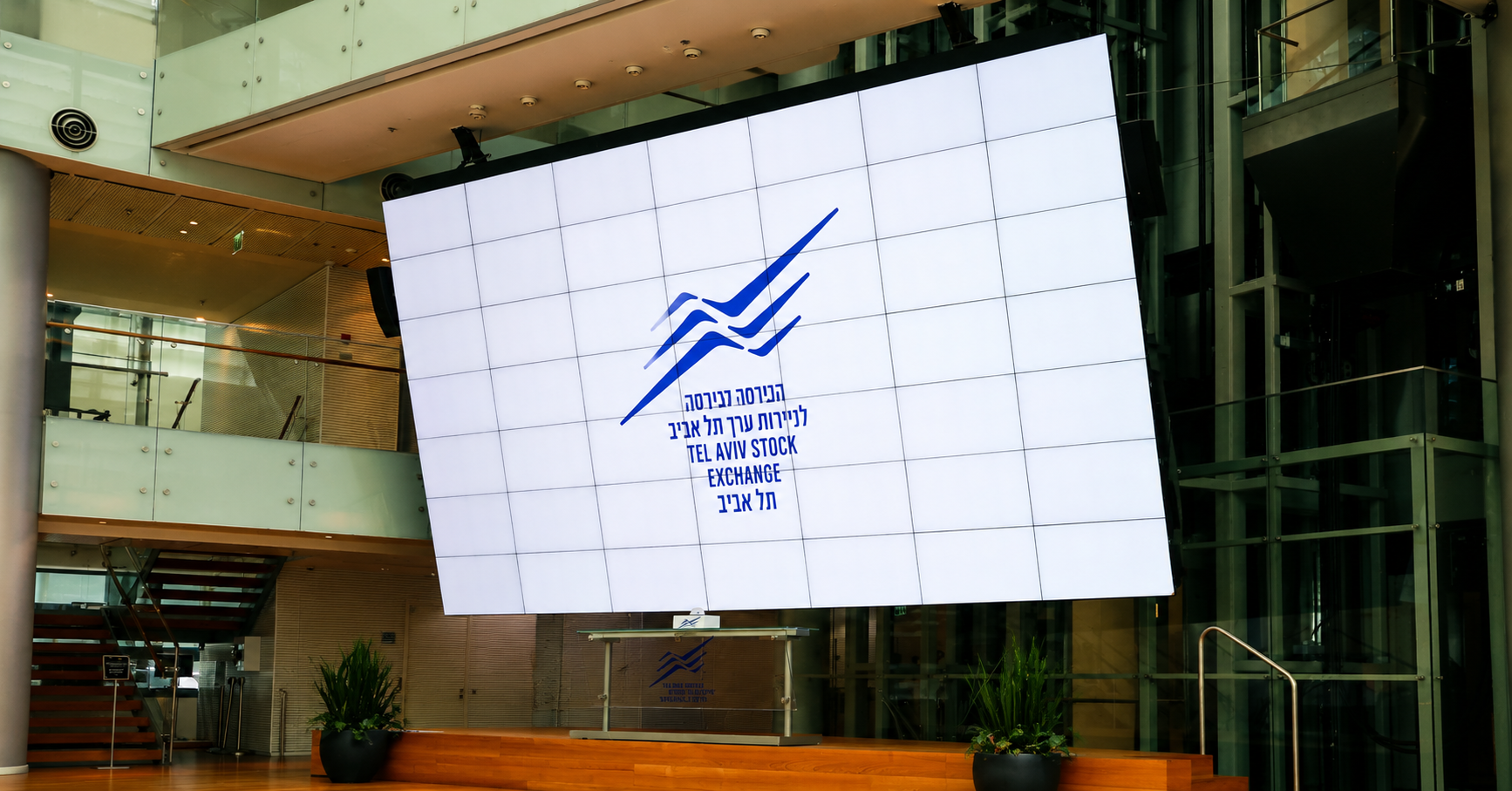
The Tel Aviv Stock Exchange ended the August 31 session lower across most major equity benchmarks, with large-cap shares leading the decline. The weakness followed the mixed performance seen in the previous session and was accompanied by negative breadth across several major indices, suggesting that selling pressure extended beyond a small group of companies.
Large-Cap Benchmarks Lead the Decline
The Tel Aviv-35 closed at 4,138.58 points, down 0.81%, making it the weakest performer among the principal broad equity indices provided. The index recorded 16 advancing securities and 20 declining securities, indicating that declines outnumbered gains.
The Tel Aviv-125 also weakened, ending at 4,056.60 points after falling 0.62%. Its breadth was more clearly negative, with 51 securities advancing against 72 declining securities. Turnover reached approximately NIS 3.71 billion, highlighting substantial trading activity during the session.
The Tel Aviv-20 declined 0.67% to 4,009.12 points, with nine advancing securities and 11 declining securities. The Tel Aviv-SME60 also moved lower, falling 0.39% to 1,324.51, as 34 securities declined compared with 25 gainers.
Market Breadth Remains Under Pressure
The broader market data showed that weakness was not limited exclusively to the largest companies. The Tel Aviv-200 declined 0.19% to 3,966.41 points, with 114 securities falling compared with 81 advancing securities. Turnover in the index reached approximately NIS 3.96 billion.
The Tel Aviv Sector-Balance index also edged lower, declining 0.14% to 4,678.55 points. There were 43 advancing securities and 55 declining securities, reinforcing the picture of modestly negative breadth.
One notable exception was the Tel Aviv 90 and Banks index, which finished unchanged at 4,014.38 points. Despite the flat headline performance, 54 securities declined against 38 that advanced, suggesting that the index’s overall stability masked internal weakness.
Trading Activity Provides an Important Signal
Turnover levels remained significant across the major benchmarks. Tel Aviv-35 trading amounted to approximately NIS 2.74 billion, while Tel Aviv-200 turnover reached NIS 3.96 billion. The Tel Aviv Sector-Balance index recorded approximately NIS 3.47 billion in turnover.
The market data therefore points to a session characterized by meaningful participation rather than a low-volume decline. The combination of elevated turnover and negative breadth is an important indicator for investors assessing whether the latest weakness represents temporary profit-taking or the beginning of a more persistent shift in market positioning.
Going forward, investors will be watching whether the Tel Aviv-35 can stabilize around the 4,100-point area and whether the Tel Aviv-125 can regain momentum above 4,000 points. Continued declines accompanied by heavy turnover and widening negative breadth would increase downside risks, while improving breadth and stronger performance from banks, mid-cap and small-cap shares could signal renewed buying interest. The next sessions should therefore provide important clues about whether investors are rotating between sectors or becoming more defensive across the Israeli equity market.
Comparison, examination, and analysis between investment houses
Leave your details, and an expert from our team will get back to you as soon as possible
* This article, in whole or in part, does not contain any promise of investment returns, nor does it constitute professional advice to make investments in any particular field.
To read more about the full disclaimer, click here
- omer bar
- •
- 6 Min Read
- •
- ago 43 minutes
SKN | Why Did the S&P 500 Fall Despite Posting a Winning Week?
Warsh Reignites Rate-Hike Concerns U.S. stocks ended Friday lower as Federal Reserve Chairman Kevin Warsh's comments at the Jackson Hole
- ago 43 minutes
- •
- 6 Min Read
Warsh Reignites Rate-Hike Concerns U.S. stocks ended Friday lower as Federal Reserve Chairman Kevin Warsh's comments at the Jackson Hole

- orshu
- •
- 8 Min Read
- •
- ago 3 hours
SKN | U.S. Stocks Open Lower as Small Caps Lead Broad Market Retreat
Markets across the Americas opened August 31 with a broadly cautious tone, as major U.S. equity indexes moved lower
- ago 3 hours
- •
- 8 Min Read

Markets across the Americas opened August 31 with a broadly cautious tone, as major U.S. equity indexes moved lower
- omer bar
- •
- 6 Min Read
- •
- ago 6 hours
SKN | Are Rising Oil Prices and Bond Yields Signaling a New Threat for Global Stocks?
Global equities entered the final trading session of August cautiously as renewed fighting between the U.S. and Iran added another
- ago 6 hours
- •
- 6 Min Read

Global equities entered the final trading session of August cautiously as renewed fighting between the U.S. and Iran added another
- orshu
- •
- 6 Min Read
- •
- ago 6 hours
SKN | Asian Markets Mixed on August 31, 2026 as China and South Korea Lead Gains
Asian markets closed mixed on August 31, 2026, as investors began the final session of August with renewed buying interest
- ago 6 hours
- •
- 6 Min Read

Asian markets closed mixed on August 31, 2026, as investors began the final session of August with renewed buying interest
