





- omer bar
- •
- 7 Min Read
- •
- 2 months ago


Key Points
- Virgin Australia reported underlying net profit after tax of A$404 million for FY2026, up 21.9% year over year and above analyst expectations.
- The airline plans to reduce domestic capacity by 3% in the first half of FY2027, aiming to support revenue growth per available seat kilometre.
- Virgin Australia expects RASK growth of 6%–8% through December 2026, highlighting resilient travel demand and tighter capacity management.

Virgin Australia is entering its new financial year with stronger-than-expected earnings and an increasingly disciplined approach to capacity. The airline’s latest results point to resilient travel demand and improved operating performance, while the planned reduction in domestic capacity reflects a broader effort among Australian carriers to protect revenue and margins as costs across the aviation industry remain elevated.
Virgin Australia Delivers a Stronger FY2026 Profit
Virgin Australia reported underlying net profit after tax of A$404 million for the 12 months ended June 30, 2026, representing a 21.9% increase from the previous year and exceeding the Visible Alpha consensus estimate of A$383.4 million. The stronger result was supported by robust travel demand, improvements from the airline’s transformation program and effective fuel hedging.
The company’s transformation strategy has focused on improving pricing, loyalty earnings and operational efficiency. Those initiatives helped Virgin Australia expand profitability despite inflationary pressure across the aviation supply chain and a more challenging operating environment. The airline also declared a fully franked dividend of 7.6 Australian cents per share, its first dividend since relisting on the Australian Securities Exchange in 2025.
Capacity Reduction Targets Higher Revenue Per Seat
Virgin Australia plans to reduce domestic capacity by 3% during the first half of FY2027, matching a similar capacity strategy announced by rival Qantas Airways. Rather than signaling weaker demand, the move reflects an effort to align available seats with market conditions and improve the revenue generated from each seat.
The company expects revenue per available seat kilometre, or RASK, to increase between 6% and 8% during the six months ending December 2026. That forecast is above the market expectation of approximately 5.15%, suggesting management sees continued strength in passenger demand and believes tighter capacity can support pricing.
Qantas has also projected stronger revenue performance, forecasting total revenue per available seat kilometre growth of 8% to 10% over the same period. The parallel strategies indicate that Australia’s major airlines are prioritizing revenue quality and margins rather than pursuing aggressive capacity expansion.
Fuel Costs and Travel Demand Remain Key Risks
The improved outlook comes against a volatile cost environment, particularly for aviation fuel. Virgin Australia’s fuel-hedging strategy helped protect its FY2026 earnings from some of the sharp increases affecting the broader industry, but the benefit of hedging can change as market prices and future coverage levels evolve.
At the same time, continued passenger demand remains essential to the airline’s revenue outlook. Higher fares and stronger revenue per seat can support profitability when capacity is carefully managed, but weaker consumer spending, higher operating costs or changes in travel patterns could put pressure on margins.
For investors in Israel and globally, Virgin Australia’s results also provide a broader indication of conditions in the international airline sector. Strong demand combined with disciplined capacity management could support airline profitability, but fuel prices, inflation, geopolitical developments and competition remain important variables.
Going forward, investors will monitor Virgin Australia’s RASK performance, passenger volumes, fuel costs, capacity utilization and progress in its transformation program. The key question will be whether the airline can sustain stronger revenue and margins while reducing capacity, particularly if travel demand remains resilient and industry-wide cost pressures persist.
Comparison, examination, and analysis between investment houses
Leave your details, and an expert from our team will get back to you as soon as possible
* This article, in whole or in part, does not contain any promise of investment returns, nor does it constitute professional advice to make investments in any particular field.
To read more about the full disclaimer, click here
- Ronny Mor
- •
- 9 Min Read
- •
- ago 23 hours
SKN | Oracle and Broadcom Credit Risk Hits Record Levels as AI Infrastructure Debt Raises Investor Concerns
Credit markets are sending a more cautious signal about the cost of financing the artificial intelligence boom, with Oracle
- ago 23 hours
- •
- 9 Min Read

Credit markets are sending a more cautious signal about the cost of financing the artificial intelligence boom, with Oracle

- orshu
- •
- 8 Min Read
- •
- ago 2 days
SKN | From a $1.65 Billion Acquisition to a Digital Advertising Powerhouse: How YouTube Transformed Google’s Business
Google's acquisition of YouTube in October 2006 stands as a defining transaction in the evolution of digital media, transforming
- ago 2 days
- •
- 8 Min Read

Google's acquisition of YouTube in October 2006 stands as a defining transaction in the evolution of digital media, transforming

- Lior mor
- •
- 6 Min Read
- •
- ago 3 days
SKN | Netflix Plans 5% Workforce Reduction as Streaming Competition Intensifies
Netflix is reportedly preparing to reduce its workforce by approximately 5%, according to Puck News, in what would represent
- ago 3 days
- •
- 6 Min Read

Netflix is reportedly preparing to reduce its workforce by approximately 5%, according to Puck News, in what would represent
- Lior mor
- •
- 6 Min Read
- •
- ago 3 days
SKN | Avolon Places Record Order for 250 Boeing and Airbus Aircraft
Global aircraft lessor Avolon has placed its largest-ever order with either Boeing or Airbus, committing to purchase 250 new
- ago 3 days
- •
- 6 Min Read
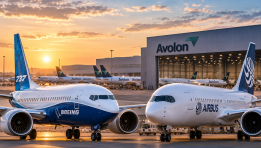
Global aircraft lessor Avolon has placed its largest-ever order with either Boeing or Airbus, committing to purchase 250 new

