





- sagi habasov
- •
- 6 Min Read
- •
- 2 hours ago
Key Points
- NVIDIA CEO Jensen Huang shared a letter emphasizing the role of open AI models in accelerating innovation, improving cybersecurity, and expanding global AI access.
- The letter argues that the future AI ecosystem will require both frontier closed models and frontier open models to support industry growth.
- Open AI frameworks are becoming a strategic consideration for businesses and governments seeking greater control, flexibility, and technological sovereignty.
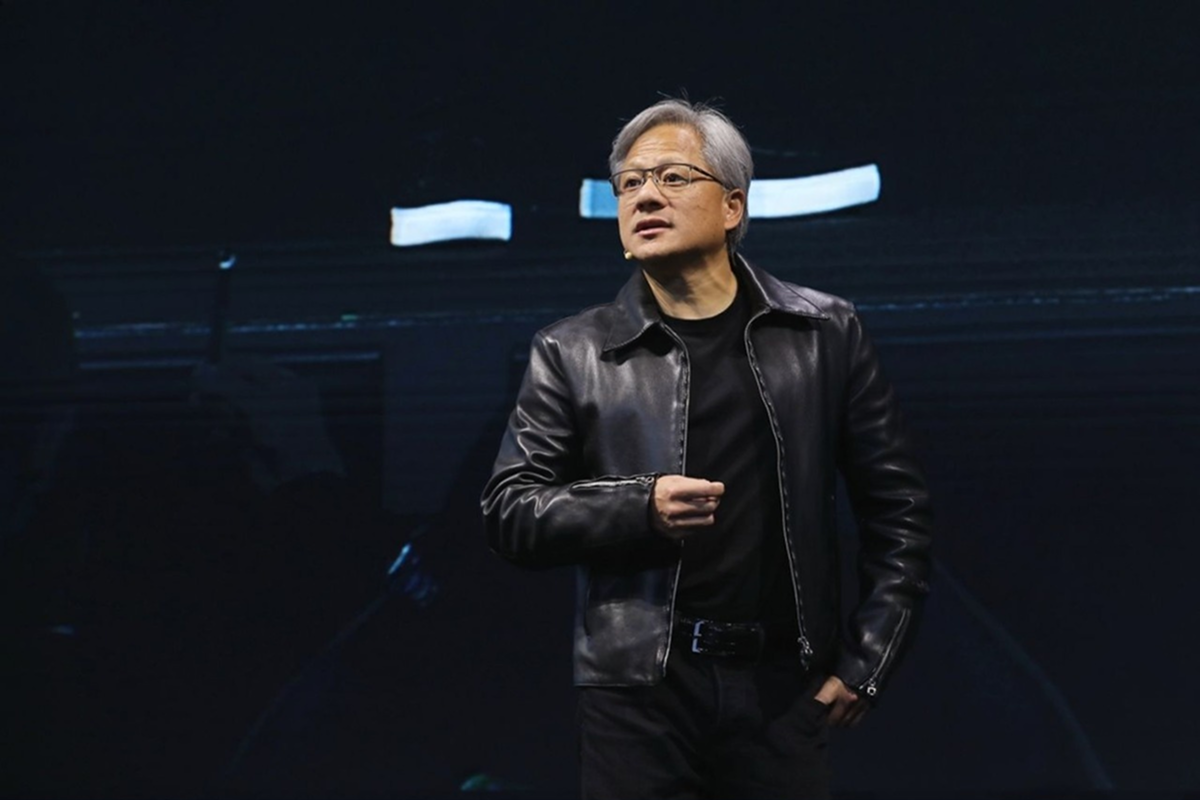
NVIDIA CEO Jensen Huang published his first post on X by sharing a letter focused on the importance of open artificial intelligence models and their role in shaping the next phase of technological development. The message comes as governments, enterprises, and technology companies increasingly debate how AI systems should be developed, distributed, and governed.
The letter argues that artificial intelligence will transform industries globally and that a balanced ecosystem combining open and closed AI models will be essential for innovation, security, and competitiveness. The discussion reflects broader strategic questions surrounding AI infrastructure, access, and technological independence.
Open AI Models Gain Strategic Importance
According to the letter shared by Huang, open models can strengthen the broader AI ecosystem by allowing organizations, researchers, and developers to adapt technologies for specific applications. Unlike closed systems controlled by a limited number of providers, open models provide greater flexibility for customization, deployment, and experimentation.
The argument reflects a growing view among technology leaders that AI adoption will extend beyond a small group of major companies. By enabling businesses, universities, and governments to build specialized solutions, open models could contribute to wider AI integration across sectors including healthcare, manufacturing, finance, and national infrastructure.
AI Competition Expands Beyond Hardware Leadership
NVIDIA has become one of the most influential companies in the AI ecosystem through its leadership in advanced computing hardware, particularly graphics processing units and data center infrastructure. However, the development of AI is increasingly moving beyond semiconductor performance toward broader questions of software accessibility, model development, and ecosystem participation.
The company’s support for open AI approaches reflects the evolving nature of competition in the technology sector. While NVIDIA remains a central supplier of AI computing power, the long-term growth of artificial intelligence depends on the ability of organizations worldwide to develop and deploy applications efficiently.
Balancing Innovation, Security, and AI Governance
The letter also highlights the argument that open models can contribute to AI safety and cybersecurity by allowing more researchers and organizations to evaluate, test, and improve systems. Supporters of open approaches suggest that greater transparency can help identify vulnerabilities and accelerate improvements.
At the same time, the expansion of open AI models continues to raise questions regarding responsible deployment, security risks, and governance standards. Policymakers and technology companies are increasingly focused on creating frameworks that encourage innovation while addressing potential misuse.
Looking ahead, the global AI industry is likely to develop through a combination of open and proprietary technologies. Investors and technology leaders will continue monitoring how companies balance accessibility, security, and commercial advantages as artificial intelligence becomes a central component of economic competitiveness and digital transformation.
Comparison, examination, and analysis between investment houses
Leave your details, and an expert from our team will get back to you as soon as possible
* This article, in whole or in part, does not contain any promise of investment returns, nor does it constitute professional advice to make investments in any particular field.
To read more about the full disclaimer, click here
- orshu
- •
- 9 Min Read
- •
- ago 9 hours
SKN | Tel Aviv Equities Edge Higher as TA-35 Leads Gains While Market Breadth and Bonds Signal Caution
Tel Aviv financial markets are trading with moderate gains as investors continue to navigate a mixed environment of equity strength
- ago 9 hours
- •
- 9 Min Read

Tel Aviv financial markets are trading with moderate gains as investors continue to navigate a mixed environment of equity strength
- orshu
- •
- 9 Min Read
- •
- ago 14 hours
SKN | Global Markets Wrap: July 23, 2026 Selloff Hits U.S. and European Equities While Asian Markets Recover – Outlook Ahead of July 24 Trading
Global markets ended July 23, 2026 with a cautious tone as investors reassessed risk exposure following renewed weakness across major
- ago 14 hours
- •
- 9 Min Read

Global markets ended July 23, 2026 with a cautious tone as investors reassessed risk exposure following renewed weakness across major

- sagi habasov
- •
- 6 Min Read
- •
- ago 16 hours
SKN | Amazon vs. Microsoft: Which Cloud Giant Has the Stronger Growth Strategy in the AI Era?
The competition between Amazon and Microsoft has intensified as businesses accelerate cloud adoption and increase investment in artificial intelligence infrastructure.
- ago 16 hours
- •
- 6 Min Read

The competition between Amazon and Microsoft has intensified as businesses accelerate cloud adoption and increase investment in artificial intelligence infrastructure.

- Ronny Mor
- •
- 7 Min Read
- •
- ago 16 hours
SKN | Asian Markets Mixed as Hong Kong Leads Gains While Japan and South Korea Extend Regional Losses
Asian equity markets traded with mixed performance during Friday morning's session, July 24, as investors balanced strength in Hong Kong
- ago 16 hours
- •
- 7 Min Read

Asian equity markets traded with mixed performance during Friday morning's session, July 24, as investors balanced strength in Hong Kong


