





- omer bar
- •
- 6 Min Read
- •
- 10 hours ago
Key Points
- U.S. crude oil climbed above $80 per barrel after renewed tensions surrounding Iran undermined confidence in the durability of the regional ceasefire.
- Former U.S. President Donald Trump's proposal to impose tolls on vessels transiting the Strait of Hormuz added a fresh geopolitical risk premium to energy markets.
- Investors are closely monitoring Middle East developments as supply security once again becomes a dominant driver of oil price volatility.
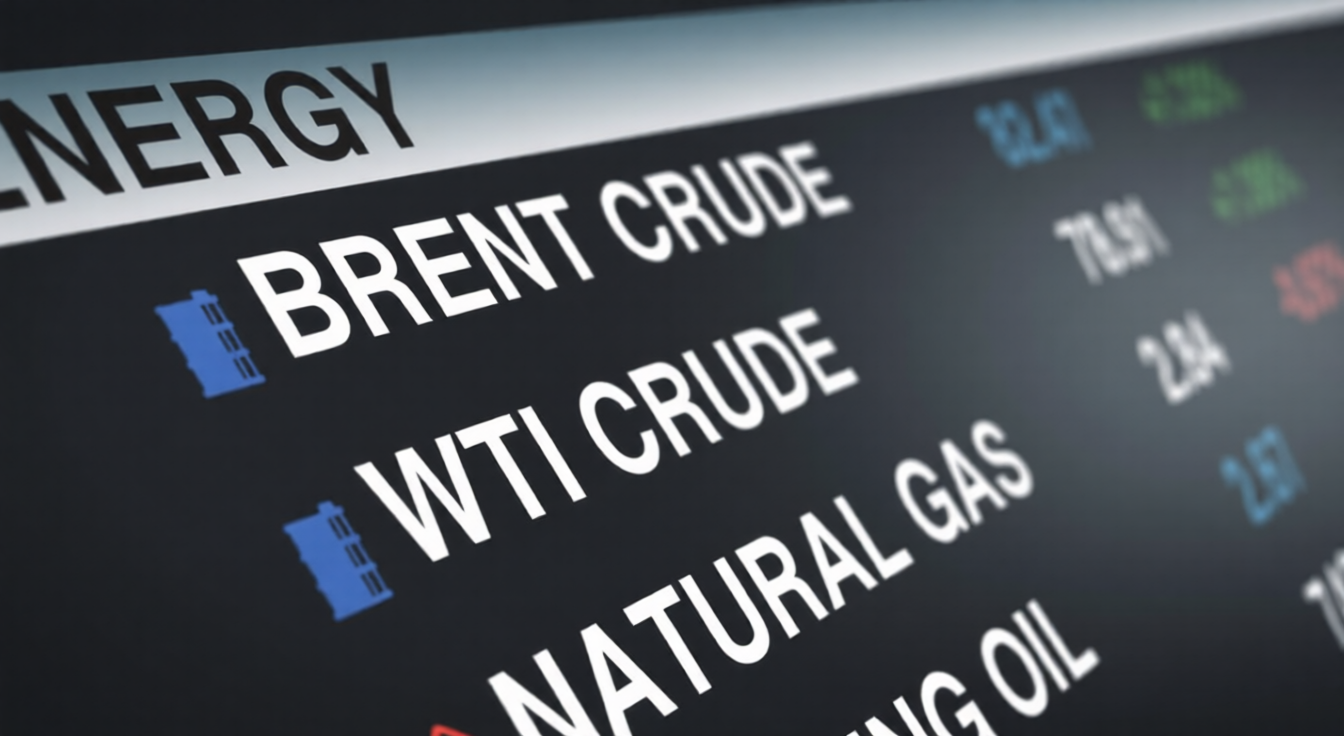
Oil prices moved sharply higher after geopolitical tensions in the Middle East intensified, pushing West Texas Intermediate (WTI) crude back above the $80 per barrel threshold. The rally followed reports suggesting that the fragile ceasefire involving Iran had begun to deteriorate, while renewed discussion of imposing transit fees on ships passing through the Strait of Hormuz introduced another layer of uncertainty for global energy markets.
The developments have quickly shifted investor focus away from demand concerns and back toward supply security, underscoring how geopolitical events continue to exert significant influence over global commodity pricing.
Middle East Tensions Return to the Forefront
The renewed escalation surrounding Iran has revived concerns that disruptions to energy infrastructure or shipping routes could tighten global crude supplies. While no major supply interruption has been confirmed, markets have historically reacted swiftly whenever geopolitical instability threatens one of the world’s most strategically important oil-producing regions.
The Strait of Hormuz remains one of the world’s busiest energy corridors, with a significant share of globally traded crude oil and liquefied natural gas passing through the narrow waterway. Even the perception of elevated risk is often sufficient to increase oil’s geopolitical premium as traders price in the possibility of future disruptions.
Hormuz Toll Proposal Adds Another Layer of Uncertainty
Market participants also weighed comments attributed to former President Donald Trump regarding potential tolls for commercial vessels using the Strait of Hormuz. Although no policy has been implemented and significant legal and diplomatic questions remain, the proposal contributed to growing uncertainty surrounding future shipping costs and energy logistics.
For commodity markets, transportation costs are an essential component of global supply dynamics. Any measures that could increase the cost or complexity of moving crude through key maritime routes have the potential to affect both physical oil markets and futures pricing, particularly during periods of heightened geopolitical sensitivity.
Implications for Global Markets and Israeli Investors
Higher oil prices carry broader implications beyond the energy sector. Persistent increases in crude prices can place upward pressure on inflation, influence central bank policy expectations, and affect transportation, manufacturing, and industrial costs worldwide.
For Israeli investors, sustained strength in energy prices could support companies with exposure to the regional energy industry while simultaneously increasing input costs for businesses dependent on imported fuel. Currency markets and inflation expectations may also become more volatile if geopolitical risks remain elevated.
Outlook: The outlook for oil markets remains highly dependent on geopolitical developments. Investors will closely monitor whether diplomatic efforts succeed in stabilizing the regional security environment or whether further escalation introduces additional supply risks. At the same time, broader macroeconomic factors—including global demand growth, OPEC+ production policy, fiscal developments, and currency movements—will continue to shape oil prices. While geopolitical premiums can drive sharp short-term rallies, sustained gains will likely require evidence of actual supply disruptions rather than headline-driven volatility, making disciplined risk assessment increasingly important in the weeks ahead.
Comparison, examination, and analysis between investment houses
Leave your details, and an expert from our team will get back to you as soon as possible
* This article, in whole or in part, does not contain any promise of investment returns, nor does it constitute professional advice to make investments in any particular field.
To read more about the full disclaimer, click here
- omer bar
- •
- 6 Min Read
- •
- ago 16 minutes
SKN | Will Oil Stay Elevated After Trump Drops Hormuz Transit Fee Amid Escalating Middle East Tensions?
Oil prices remained elevated on Tuesday as investors balanced a key U.S. policy reversal with persistent geopolitical risks in the
- ago 16 minutes
- •
- 6 Min Read
Oil prices remained elevated on Tuesday as investors balanced a key U.S. policy reversal with persistent geopolitical risks in the

- sagi habasov
- •
- 6 Min Read
- •
- ago 4 hours
SKN | Oil Prices Climb to One-Month High as Potential U.S. Blockade Raises Supply Concerns
Oil prices advanced to their strongest levels in roughly one month after reports that the United States is considering
- ago 4 hours
- •
- 6 Min Read

Oil prices advanced to their strongest levels in roughly one month after reports that the United States is considering
- sagi habasov
- •
- 6 Min Read
- •
- ago 15 hours
SKN | Could Renewed Iran Conflict Push U.S. Oil Prices Above $85 a Barrel?
U.S. oil prices are facing renewed volatility as expectations grow that crude could rise above $85 per barrel during the
- ago 15 hours
- •
- 6 Min Read
U.S. oil prices are facing renewed volatility as expectations grow that crude could rise above $85 per barrel during the
- omer bar
- •
- 7 Min Read
- •
- ago 22 hours
SKN | Gold Royalty Expands Portfolio Ahead of Second-Quarter Results With New Royalty Acquisitions
Gold Royalty Corp. announced that it will release its second-quarter 2026 financial results on August 5, 2026, while simultaneously
- ago 22 hours
- •
- 7 Min Read

Gold Royalty Corp. announced that it will release its second-quarter 2026 financial results on August 5, 2026, while simultaneously


