





- sagi habasov
- •
- 6 Min Read
- •
- 15 hours ago
Key Points
- U.S. oil prices are facing renewed upward pressure as geopolitical tensions surrounding Iran raise concerns about potential supply disruptions.
- Markets are monitoring developments in the Middle East, global oil inventories, and OPEC+ production decisions as key factors influencing crude prices.
- Higher energy prices could affect inflation expectations, monetary policy outlooks, and corporate costs across global markets.
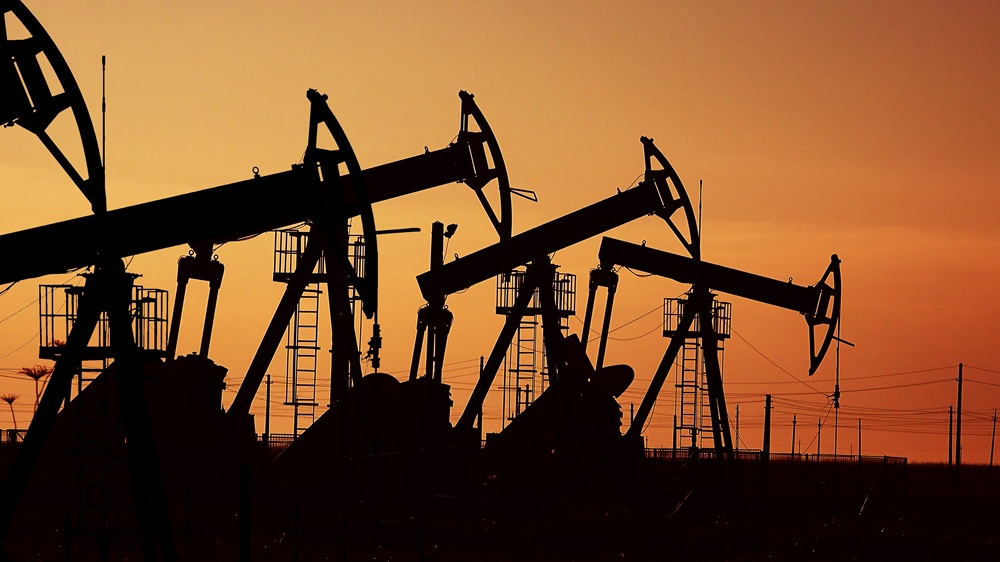
U.S. oil prices are facing renewed volatility as expectations grow that crude could rise above $85 per barrel during the month if tensions involving Iran continue to escalate. The potential return of heightened conflict in one of the world’s most strategically important energy regions has increased market focus on supply risks, transportation routes, and the broader impact on global inflation.
Geopolitical Risks Increase Pressure on Global Oil Markets
The oil market remains highly sensitive to developments in the Middle East, where disruptions involving major energy-producing countries can quickly influence prices worldwide. Iran plays a significant role in global energy markets through its oil production capacity and its position near the Strait of Hormuz, a critical shipping route for international crude exports.
Renewed conflict concerns have encouraged traders to price in a higher geopolitical risk premium. While actual supply disruptions remain dependent on the scale and duration of any escalation, markets often react ahead of confirmed shortages by adjusting prices based on potential future risks.
A sustained move above $85 per barrel would represent a significant shift from periods when concerns about excess supply and weaker global demand limited price gains. However, the impact of geopolitical developments will depend on whether production flows, shipping activity, and international responses are affected over the coming weeks.
Energy Prices Could Influence Inflation and Central Bank Policy
Higher oil prices have broader economic implications beyond the energy sector. Rising crude prices can increase transportation costs, production expenses, and consumer prices, potentially affecting inflation trends in major economies.
For central banks, including the U.S. Federal Reserve, changes in energy prices remain an important factor when assessing inflation risks. A renewed increase in oil prices could complicate monetary policy decisions by creating additional pressure on consumer prices even if other inflation indicators continue to moderate.
Markets are also watching how higher energy costs could affect corporate earnings. Industries such as airlines, manufacturing, logistics, and chemicals are particularly sensitive to changes in fuel and input costs, while energy producers may experience different effects from shifts in crude prices.
Global Markets Monitor Supply, Demand, and OPEC+ Response
Beyond geopolitical developments, oil prices will continue to depend on global supply and demand fundamentals. OPEC+ production policies, U.S. shale output, inventory levels, and economic growth expectations in major economies such as China, the United States, and Europe will remain key drivers of market direction.
For investors in Israel and international markets, movements in crude oil prices are particularly relevant due to their influence on inflation, currency markets, and economic expectations. Energy market volatility can affect multiple asset classes, including equities, bonds, and commodities.
Looking ahead, market participants will closely monitor developments related to Iran, global oil supply conditions, OPEC+ decisions, and economic data that could influence demand expectations. Whether oil prices move sustainably above $85 per barrel will likely depend on the balance between geopolitical risks and the ability of global producers to maintain stable energy supplies.
Comparison, examination, and analysis between investment houses
Leave your details, and an expert from our team will get back to you as soon as possible
* This article, in whole or in part, does not contain any promise of investment returns, nor does it constitute professional advice to make investments in any particular field.
To read more about the full disclaimer, click here
- omer bar
- •
- 6 Min Read
- •
- ago 17 minutes
SKN | Will Oil Stay Elevated After Trump Drops Hormuz Transit Fee Amid Escalating Middle East Tensions?
Oil prices remained elevated on Tuesday as investors balanced a key U.S. policy reversal with persistent geopolitical risks in the
- ago 17 minutes
- •
- 6 Min Read
Oil prices remained elevated on Tuesday as investors balanced a key U.S. policy reversal with persistent geopolitical risks in the

- sagi habasov
- •
- 6 Min Read
- •
- ago 4 hours
SKN | Oil Prices Climb to One-Month High as Potential U.S. Blockade Raises Supply Concerns
Oil prices advanced to their strongest levels in roughly one month after reports that the United States is considering
- ago 4 hours
- •
- 6 Min Read

Oil prices advanced to their strongest levels in roughly one month after reports that the United States is considering
- omer bar
- •
- 6 Min Read
- •
- ago 10 hours
SKN | U.S. Crude Surges Above $80 as Iran Ceasefire Fractures and Trump’s Hormuz Toll Proposal Revives Supply Concerns
Oil prices moved sharply higher after geopolitical tensions in the Middle East intensified, pushing West Texas Intermediate (WTI) crude
- ago 10 hours
- •
- 6 Min Read

Oil prices moved sharply higher after geopolitical tensions in the Middle East intensified, pushing West Texas Intermediate (WTI) crude
- omer bar
- •
- 7 Min Read
- •
- ago 22 hours
SKN | Gold Royalty Expands Portfolio Ahead of Second-Quarter Results With New Royalty Acquisitions
Gold Royalty Corp. announced that it will release its second-quarter 2026 financial results on August 5, 2026, while simultaneously
- ago 22 hours
- •
- 7 Min Read

Gold Royalty Corp. announced that it will release its second-quarter 2026 financial results on August 5, 2026, while simultaneously


