





- omer bar
- •
- 6 Min Read
- •
- 55 minutes ago
Key Points
- Oil remained above $78 per barrel after President Trump withdrew a proposed 20% transit fee for ships using the Strait of Hormuz.
- Military escalation between the United States and Iran, along with attacks on commercial tankers, continues to support a significant geopolitical premium in energy markets.
- Investors will closely monitor shipping security, diplomatic developments, and global supply conditions as key drivers of oil prices in the coming weeks.

Oil prices remained elevated on Tuesday as investors balanced a key U.S. policy reversal with persistent geopolitical risks in the Middle East. Crude held above $78 per barrel after President Donald Trump withdrew a proposal to impose a 20% reimbursement fee on cargo transiting the Strait of Hormuz under U.S. military protection. While the decision removed one potential cost burden for global shipping, ongoing military exchanges between the United States and Iran continued to reinforce concerns over energy security and the stability of one of the world’s most important oil transit routes.
Policy Shift Removes One Source of Market Uncertainty
President Trump’s decision to replace the proposed transit fee with broader trade and investment agreements involving Gulf nations was viewed as a move aimed at reducing commercial disruption while maintaining strategic partnerships in the region. The proposed fee had raised concerns that shipping costs would rise sharply, potentially adding further inflationary pressure to global energy markets.
Although the reversal eased one policy-related uncertainty, traders largely maintained their cautious stance as broader geopolitical developments remained the dominant driver of crude prices. Brent and West Texas Intermediate futures continued to trade with a substantial risk premium, reflecting the fragile security environment surrounding Gulf energy exports.
The policy adjustment also signals that Washington remains focused on protecting commercial shipping while seeking alternative mechanisms to strengthen economic ties with regional allies.
Security Risks Continue Supporting Oil Prices
The geopolitical backdrop remains highly volatile following additional U.S. military strikes targeting Iranian assets and reports of renewed attacks on commercial vessels transiting the Strait of Hormuz. Iran’s Revolutionary Guard claimed responsibility for attacks involving two oil tankers operating without active tracking signals, while the United Arab Emirates’ ADNOC confirmed that two vessels sustained damage while crossing the strategic waterway.
The Strait of Hormuz remains one of the world’s most critical energy chokepoints, handling roughly one-fifth of global oil shipments under normal operating conditions. Even limited disruptions can significantly affect shipping schedules, insurance costs, and market sentiment, contributing to higher crude prices despite no widespread interruption to physical supply.
These developments continue to reinforce investor concerns that any further escalation could have broader implications for global energy markets.
Markets Turn Attention to Supply Stability and Inflation Risks
Crude oil recently traded near $78.74 per barrel, extending gains after a 9.4% surge during the previous session. Although prices remain well below the historic peak of $147 reached in 2008, they have risen more than 18% over the past year, underscoring the persistence of supply-related concerns.
Higher energy prices carry broader implications for the global economy by increasing transportation, manufacturing, and consumer costs. Central banks, including the Federal Reserve, may need to account for renewed inflationary pressure if elevated oil prices persist, potentially influencing future monetary policy decisions.
Investors will also monitor shipping activity through the Strait of Hormuz, diplomatic developments between Washington and Tehran, and production responses from major oil exporters. Together, these factors will determine whether the current geopolitical risk premium remains embedded in crude prices or gradually fades as tensions stabilize.
Comparison, examination, and analysis between investment houses
Leave your details, and an expert from our team will get back to you as soon as possible
* This article, in whole or in part, does not contain any promise of investment returns, nor does it constitute professional advice to make investments in any particular field.
To read more about the full disclaimer, click here
- sagi habasov
- •
- 6 Min Read
- •
- ago 5 hours
SKN | Oil Prices Climb to One-Month High as Potential U.S. Blockade Raises Supply Concerns
Oil prices advanced to their strongest levels in roughly one month after reports that the United States is considering
- ago 5 hours
- •
- 6 Min Read

Oil prices advanced to their strongest levels in roughly one month after reports that the United States is considering

- omer bar
- •
- 6 Min Read
- •
- ago 11 hours
SKN | U.S. Crude Surges Above $80 as Iran Ceasefire Fractures and Trump’s Hormuz Toll Proposal Revives Supply Concerns
Oil prices moved sharply higher after geopolitical tensions in the Middle East intensified, pushing West Texas Intermediate (WTI) crude
- ago 11 hours
- •
- 6 Min Read
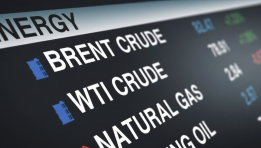
Oil prices moved sharply higher after geopolitical tensions in the Middle East intensified, pushing West Texas Intermediate (WTI) crude
- sagi habasov
- •
- 6 Min Read
- •
- ago 16 hours
SKN | Could Renewed Iran Conflict Push U.S. Oil Prices Above $85 a Barrel?
U.S. oil prices are facing renewed volatility as expectations grow that crude could rise above $85 per barrel during the
- ago 16 hours
- •
- 6 Min Read

U.S. oil prices are facing renewed volatility as expectations grow that crude could rise above $85 per barrel during the
- omer bar
- •
- 7 Min Read
- •
- ago 23 hours
SKN | Gold Royalty Expands Portfolio Ahead of Second-Quarter Results With New Royalty Acquisitions
Gold Royalty Corp. announced that it will release its second-quarter 2026 financial results on August 5, 2026, while simultaneously
- ago 23 hours
- •
- 7 Min Read

Gold Royalty Corp. announced that it will release its second-quarter 2026 financial results on August 5, 2026, while simultaneously


