





- Lior mor
- •
- 7 Min Read
- •
- 3 hours ago
Key Points
- Oil prices remained elevated after their strongest daily rally since May as renewed U.S.-Iran tensions kept geopolitical risks firmly in focus.
- The Strait of Hormuz has once again become a critical market concern, although the extent of any disruption to global crude shipments remains uncertain.
- Investors continue balancing geopolitical supply risks against broader market fundamentals, including recovering production and resilient global inventories.

Crude oil prices remained volatile on Thursday after posting their strongest daily advance since May, as escalating tensions between the United States and Iran continued to inject uncertainty into global energy markets. Although prices eased slightly after Wednesday’s rally, investors remained focused on the security of oil shipments through the Strait of Hormuz, one of the world’s most strategically important energy corridors. The renewed geopolitical risks have temporarily overshadowed broader supply fundamentals, reinforcing the importance of developments in the Middle East for commodity markets worldwide.
Middle East Conflict Revives Supply Concerns
Crude oil traded below $73 per barrel after surging 4.4% during the previous trading session. The latest price movement followed additional U.S. military strikes on Iran and retaliatory attacks targeting American military facilities across the region. The exchange of military action has heightened concerns that further escalation could disrupt energy exports from major Gulf producers.
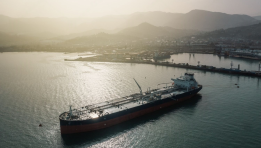
The Strait of Hormuz has returned to the center of investor attention because it serves as the primary export route for a substantial share of global crude oil shipments. Even the possibility of disruptions through the narrow waterway tends to trigger immediate price reactions, as traders rapidly incorporate supply risk premiums into energy markets.
Shipping Activity Remains Under Close Observation
Despite heightened tensions, the full impact on physical oil flows remains uncertain. Vessel tracking data indicates that commercial shipping through the Strait of Hormuz has slowed, with many tankers following routes approved by Iranian authorities. Meanwhile, activity along alternative shipping corridors supported by regional partners has remained relatively limited.
Energy traders caution that vessel tracking data may not fully capture current export volumes. Tankers operating in the region have periodically transmitted weak or delayed location signals, while some cargo movements have historically appeared in monitoring systems several days after departing. As a result, the market continues to assess whether actual crude exports have been materially affected or whether logistical delays are temporarily distorting available shipping data.
Fundamental Supply Outlook Still Limits Longer-Term Price Gains
Although geopolitical developments have lifted short-term prices, broader supply conditions continue to provide some restraint on sustained rallies. Prior to the latest escalation, markets had been anticipating increased production from OPEC+ members and improving export volumes from Gulf producers, developments that were expected to ease global supply constraints during the second half of the year.
Current pricing therefore reflects a balance between competing forces. On one hand, geopolitical uncertainty supports higher prices by increasing the risk of supply disruptions. On the other, expanding production capacity and recovering inventories continue to provide a cushion against prolonged shortages. This dynamic helps explain why oil prices remain well below earlier peaks despite renewed military tensions.
Looking ahead, investors will continue monitoring military developments, diplomatic negotiations, and shipping activity through the Strait of Hormuz. Any confirmed interruption to crude exports could trigger additional upward pressure on prices, while evidence that shipments continue largely uninterrupted may gradually reduce the geopolitical risk premium. Until greater clarity emerges, oil markets are likely to remain highly sensitive to headlines, making geopolitical developments the primary driver of short-term price movements.
Comparison, examination, and analysis between investment houses
Leave your details, and an expert from our team will get back to you as soon as possible
* This article, in whole or in part, does not contain any promise of investment returns, nor does it constitute professional advice to make investments in any particular field.
To read more about the full disclaimer, click here
- Ronny Mor
- •
- 7 Min Read
- •
- ago 16 hours
SKN | Oil Prices Rise as Iran-U.S. Tensions Renew Supply Disruption Concerns
Oil markets continued moving higher on Thursday, July 09, as renewed tensions between Iran and the United States increased
- ago 16 hours
- •
- 7 Min Read

Oil markets continued moving higher on Thursday, July 09, as renewed tensions between Iran and the United States increased

- omer bar
- •
- 6 Min Read
- •
- ago 22 hours
SKN | Why Are Copper Prices Falling as Middle East Tensions Intensify?
Copper prices retreated on Wednesday, slipping toward the $6.00-per-pound level as renewed geopolitical tensions in the Middle East weighed on
- ago 22 hours
- •
- 6 Min Read

Copper prices retreated on Wednesday, slipping toward the $6.00-per-pound level as renewed geopolitical tensions in the Middle East weighed on

- Lior mor
- •
- 8 Min Read
- •
- ago 22 hours
SKN | Diesel Futures Surge as Russian Export Ban Raises Global Supply Concerns
U.S. diesel futures posted their strongest daily increase in four years after Russia announced a ban on certain fuel
- ago 22 hours
- •
- 8 Min Read
U.S. diesel futures posted their strongest daily increase in four years after Russia announced a ban on certain fuel
- Ronny Mor
- •
- 8 Min Read
- •
- ago 2 days
SKN | Gold Holds Firm as Investors Await Fed Minutes and Monitor U.S.-Iran Tensions
Gold markets remained resilient as investors balanced renewed geopolitical risks with expectations surrounding future U.S. monetary policy. According to
- ago 2 days
- •
- 8 Min Read

Gold markets remained resilient as investors balanced renewed geopolitical risks with expectations surrounding future U.S. monetary policy. According to


