





- Ronny Mor
- •
- 7 Min Read
- •
- 13 hours ago
Key Points
- Oil prices extended gains as renewed tensions between Iran and the United States increased concerns over potential disruptions to global crude supplies.
- Energy markets remain focused on geopolitical risk, with investors assessing the potential impact on production, shipping routes, and global inflation pressures.
- Higher oil prices could influence broader financial markets, affecting energy stocks, currencies, inflation expectations, and central bank policy considerations.
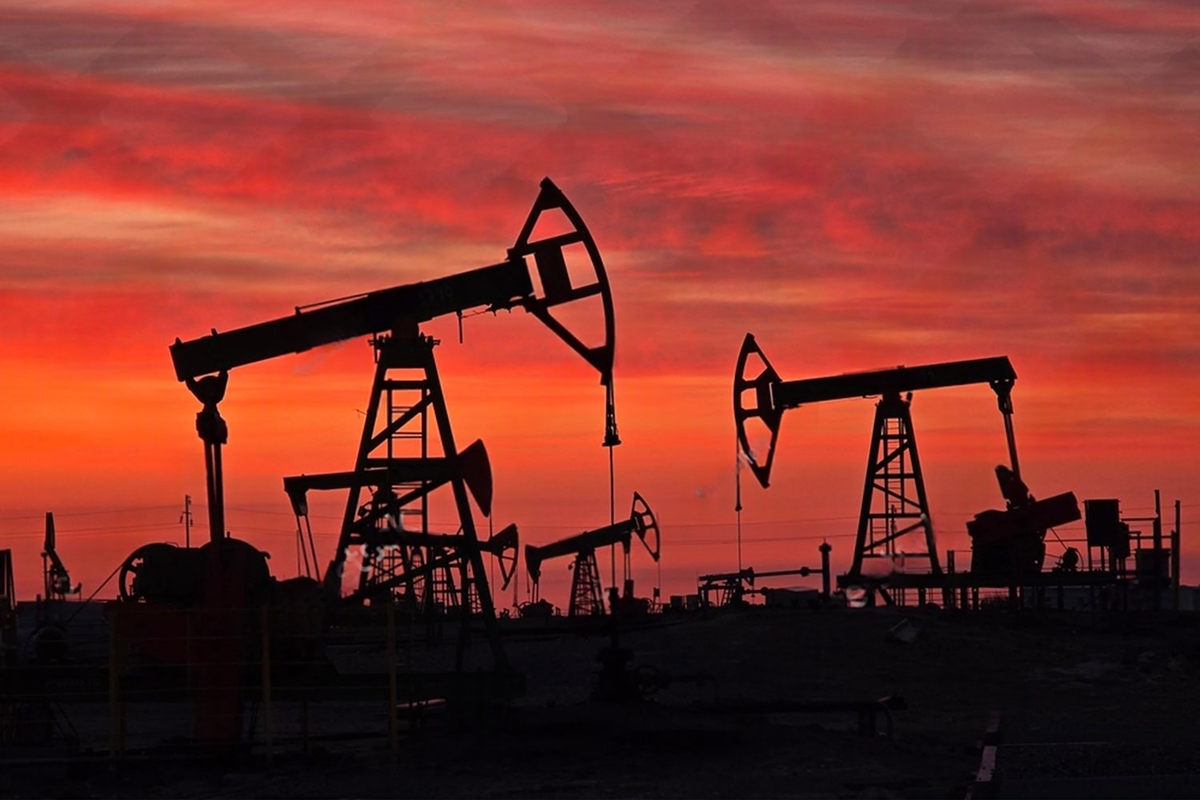
Oil markets continued moving higher on Thursday, July 09, as renewed tensions between Iran and the United States increased concerns over possible disruptions to global energy supplies. The move reflects the sensitivity of crude prices to geopolitical developments, particularly in a region responsible for a significant share of global oil production and transportation.
The latest rise in oil prices comes as investors evaluate the potential economic consequences of prolonged uncertainty in the Middle East. For global and Israeli investors, energy market movements remain an important factor influencing inflation expectations, equity market sentiment, and currency trends.
Geopolitical Risk Returns as a Key Driver for Oil Markets
The renewed focus on Iran-U.S. tensions has pushed geopolitical risk back into the center of energy market discussions. The Middle East remains one of the world’s most important energy regions, with any threat to production facilities, export routes, or shipping activity capable of creating volatility in crude markets.
Investors are closely monitoring developments surrounding potential supply disruptions, particularly through critical transportation routes such as the Strait of Hormuz. The waterway remains a major passage for global oil shipments, making any escalation in regional tensions a potential risk factor for international energy markets.
Although actual supply interruptions have not necessarily occurred, oil prices often respond to expectations of future shortages. Market participants typically price geopolitical risks ahead of confirmed disruptions, creating rapid movements in futures markets.
Energy Sector Stocks Benefit While Broader Markets Assess Inflation Risks
The increase in crude prices has important implications for financial markets. Energy producers and oil-related companies may benefit from stronger commodity prices, while sectors sensitive to higher input costs could face additional pressure.
Large integrated energy companies, exploration and production firms, and oil service providers are among the market segments most directly influenced by changes in crude prices. Investors continue watching energy sector performance as a reflection of expectations surrounding supply conditions and profitability.
At the same time, higher oil prices can create challenges for transportation companies, manufacturers, and consumers by increasing fuel and operating costs. A sustained rise in energy prices could contribute to renewed inflationary pressure, potentially influencing expectations regarding future interest rate decisions.
For Israeli investors, energy market developments remain relevant due to the country’s exposure to regional geopolitical dynamics and the importance of global energy prices for inflation, currency movements, and economic conditions.
Oil Market Balances Geopolitical Concerns With Global Supply Conditions
While geopolitical tensions are supporting oil prices, broader market fundamentals continue to play an important role. Investors are evaluating global demand trends, production levels from major exporters, and decisions by oil-producing countries regarding output adjustments.
The balance between supply availability and demand growth remains a central factor for crude markets. If tensions escalate without affecting physical supply, price increases could prove temporary. However, any disruption to production or shipping could create a more significant market reaction.
Energy markets are also watching global economic conditions, particularly developments in major economies such as the United States, China, and Europe. Slower economic activity could limit demand growth, partially offsetting geopolitical price pressures.
What Investors Should Monitor Ahead
Looking ahead, investors will continue tracking developments between Iran and the United States, global crude inventories, production decisions, and shipping conditions in key energy routes. The direction of oil prices will depend on whether geopolitical tensions remain contained or develop into actual supply disruptions. Markets will also monitor how energy price movements affect inflation expectations, corporate earnings, and monetary policy decisions across major economies.
Comparison, examination, and analysis between investment houses
Leave your details, and an expert from our team will get back to you as soon as possible
* This article, in whole or in part, does not contain any promise of investment returns, nor does it constitute professional advice to make investments in any particular field.
To read more about the full disclaimer, click here
- omer bar
- •
- 6 Min Read
- •
- ago 18 hours
SKN | Why Are Copper Prices Falling as Middle East Tensions Intensify?
Copper prices retreated on Wednesday, slipping toward the $6.00-per-pound level as renewed geopolitical tensions in the Middle East weighed on
- ago 18 hours
- •
- 6 Min Read

Copper prices retreated on Wednesday, slipping toward the $6.00-per-pound level as renewed geopolitical tensions in the Middle East weighed on

- Lior mor
- •
- 8 Min Read
- •
- ago 18 hours
SKN | Diesel Futures Surge as Russian Export Ban Raises Global Supply Concerns
U.S. diesel futures posted their strongest daily increase in four years after Russia announced a ban on certain fuel
- ago 18 hours
- •
- 8 Min Read

U.S. diesel futures posted their strongest daily increase in four years after Russia announced a ban on certain fuel

- Ronny Mor
- •
- 8 Min Read
- •
- ago 1 day
SKN | Gold Holds Firm as Investors Await Fed Minutes and Monitor U.S.-Iran Tensions
Gold markets remained resilient as investors balanced renewed geopolitical risks with expectations surrounding future U.S. monetary policy. According to
- ago 1 day
- •
- 8 Min Read

Gold markets remained resilient as investors balanced renewed geopolitical risks with expectations surrounding future U.S. monetary policy. According to

- sagi habasov
- •
- 8 Min Read
- •
- ago 2 days
SKN | Oil Prices Jump as U.S. Strikes on Iran Reignite Supply Fears Across Global Energy Markets
Global oil markets turned sharply higher after the United States launched military strikes against Iran, escalating tensions in the
- ago 2 days
- •
- 8 Min Read
Global oil markets turned sharply higher after the United States launched military strikes against Iran, escalating tensions in the


