





- Lior mor
- •
- 8 Min Read
- •
- 20 hours ago
Key Points
- U.S. diesel futures recorded their largest daily gain in four years after Russia introduced restrictions on fuel exports, raising concerns over global supply availability.
- Energy markets are reassessing refined fuel supply risks as geopolitical developments continue influencing commodity prices and inflation expectations.
- Higher diesel prices could affect transportation, industrial costs, and inflation trends across major economies, including markets connected to global trade.
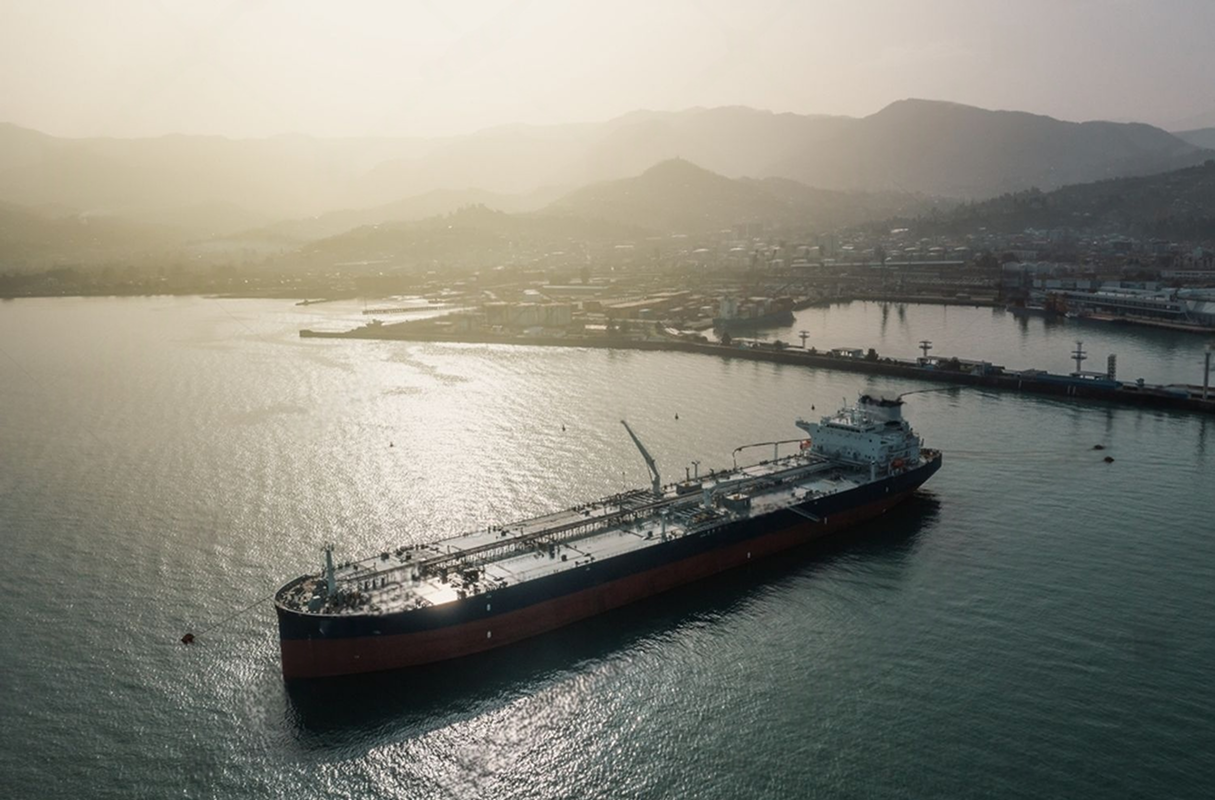
U.S. diesel futures posted their strongest daily increase in four years after Russia announced a ban on certain fuel exports, triggering concerns about potential supply disruptions in global refined energy markets. The move highlights the continued sensitivity of energy commodities to geopolitical decisions and the challenges facing markets attempting to balance supply security with inflation risks.
The sharp rise in diesel prices comes as traders evaluate the broader impact of reduced Russian fuel availability, particularly in markets where diesel remains essential for transportation, agriculture, logistics, and industrial activity. The development adds another layer of complexity for investors monitoring energy markets and global economic conditions.
Russian Export Restrictions Create New Supply Pressure
The latest move by Russia to restrict fuel exports has raised concerns about the availability of diesel supplies in international markets. Russia has historically been one of the world’s major energy exporters, and changes in its export policies can influence global pricing dynamics.
Diesel markets are particularly sensitive because refined fuels play a critical role in economic activity. Unlike crude oil, which has a broader range of substitutes and inventory buffers, diesel supply can become tighter when refinery capacity, transportation networks, or export flows are disrupted.
The reaction in U.S. futures markets reflects concerns that reduced exports from a major supplier could tighten global inventories. Traders are closely monitoring whether other producers can increase output sufficiently to offset potential supply reductions.
The development also demonstrates how geopolitical decisions continue to influence commodity markets. Energy prices have remained highly responsive to international tensions, sanctions, trade restrictions, and production policies from major oil-producing nations.
Diesel Price Movements Could Influence Inflation Expectations
Higher diesel prices have broader economic implications because diesel is closely linked to transportation and industrial activity. Increased fuel costs can raise expenses for trucking companies, shipping operators, manufacturers, and agricultural producers.
Transportation costs are an important component of supply chains, meaning sustained diesel price increases could eventually influence the prices of goods and services. This creates additional challenges for policymakers seeking to manage inflation while supporting economic growth.
For central banks, energy-driven inflation remains a key consideration. Although monetary authorities typically focus on underlying inflation trends, sharp movements in fuel prices can affect consumer expectations and overall price stability.
For businesses, particularly those with significant logistics operations, higher diesel costs may pressure margins if increased expenses cannot be passed through to customers. Companies in transportation, distribution, and energy-intensive industries are therefore closely monitoring developments in fuel markets.
Energy Markets Remain Focused on Supply and Geopolitical Risks
The diesel futures rally highlights the broader importance of energy security in global markets. Investors continue assessing how geopolitical developments could affect crude oil, refined products, and related commodities.
Energy companies may experience different impacts depending on their role within the supply chain. Producers and refiners could benefit from stronger pricing environments, while transportation companies and industrial users may face increased operating costs.
For investors in Israel, energy market developments remain highly relevant due to the country’s exposure to regional geopolitical conditions and global commodity pricing. Changes in fuel prices can influence transportation costs, inflation expectations, and corporate expenses across multiple sectors.
The Israeli market also remains connected to global energy trends through companies involved in infrastructure, technology, and industrial services. As energy prices fluctuate, investors continue evaluating the impact on corporate earnings and broader economic conditions.
Looking ahead, markets will closely monitor Russia’s export policies, global diesel inventories, refinery capacity, crude oil prices, and responses from other major energy producers. The key question is whether the current supply concerns will create a temporary price spike or lead to a longer period of tighter refined fuel markets. Energy volatility is likely to remain a major factor influencing inflation expectations, corporate costs, and investor sentiment throughout the remainder of 2026.
Comparison, examination, and analysis between investment houses
Leave your details, and an expert from our team will get back to you as soon as possible
* This article, in whole or in part, does not contain any promise of investment returns, nor does it constitute professional advice to make investments in any particular field.
To read more about the full disclaimer, click here
- Lior mor
- •
- 7 Min Read
- •
- ago 34 minutes
SKN | Why Are Oil Prices Holding Near Recent Highs as Strait of Hormuz Risks Return?
Crude oil prices remained volatile on Thursday after posting their strongest daily advance since May, as escalating tensions between the
- ago 34 minutes
- •
- 7 Min Read

Crude oil prices remained volatile on Thursday after posting their strongest daily advance since May, as escalating tensions between the

- Ronny Mor
- •
- 7 Min Read
- •
- ago 14 hours
SKN | Oil Prices Rise as Iran-U.S. Tensions Renew Supply Disruption Concerns
Oil markets continued moving higher on Thursday, July 09, as renewed tensions between Iran and the United States increased
- ago 14 hours
- •
- 7 Min Read

Oil markets continued moving higher on Thursday, July 09, as renewed tensions between Iran and the United States increased

- omer bar
- •
- 6 Min Read
- •
- ago 20 hours
SKN | Why Are Copper Prices Falling as Middle East Tensions Intensify?
Copper prices retreated on Wednesday, slipping toward the $6.00-per-pound level as renewed geopolitical tensions in the Middle East weighed on
- ago 20 hours
- •
- 6 Min Read

Copper prices retreated on Wednesday, slipping toward the $6.00-per-pound level as renewed geopolitical tensions in the Middle East weighed on
- Ronny Mor
- •
- 8 Min Read
- •
- ago 2 days
SKN | Gold Holds Firm as Investors Await Fed Minutes and Monitor U.S.-Iran Tensions
Gold markets remained resilient as investors balanced renewed geopolitical risks with expectations surrounding future U.S. monetary policy. According to
- ago 2 days
- •
- 8 Min Read

Gold markets remained resilient as investors balanced renewed geopolitical risks with expectations surrounding future U.S. monetary policy. According to


