





- orshu
- •
- 7 Min Read
- •
- 2 hours ago
Key Points
- Major European equity benchmarks closed lower, with the Euronext 100, MSCI Europe, and EURO STOXX 50 leading declines.
- Germany's DAX and France's CAC 40 retreated as investors reassessed economic growth prospects and corporate earnings expectations.
- The British market outperformed regional peers, with the FTSE 100 posting a modest gain despite broader market weakness.
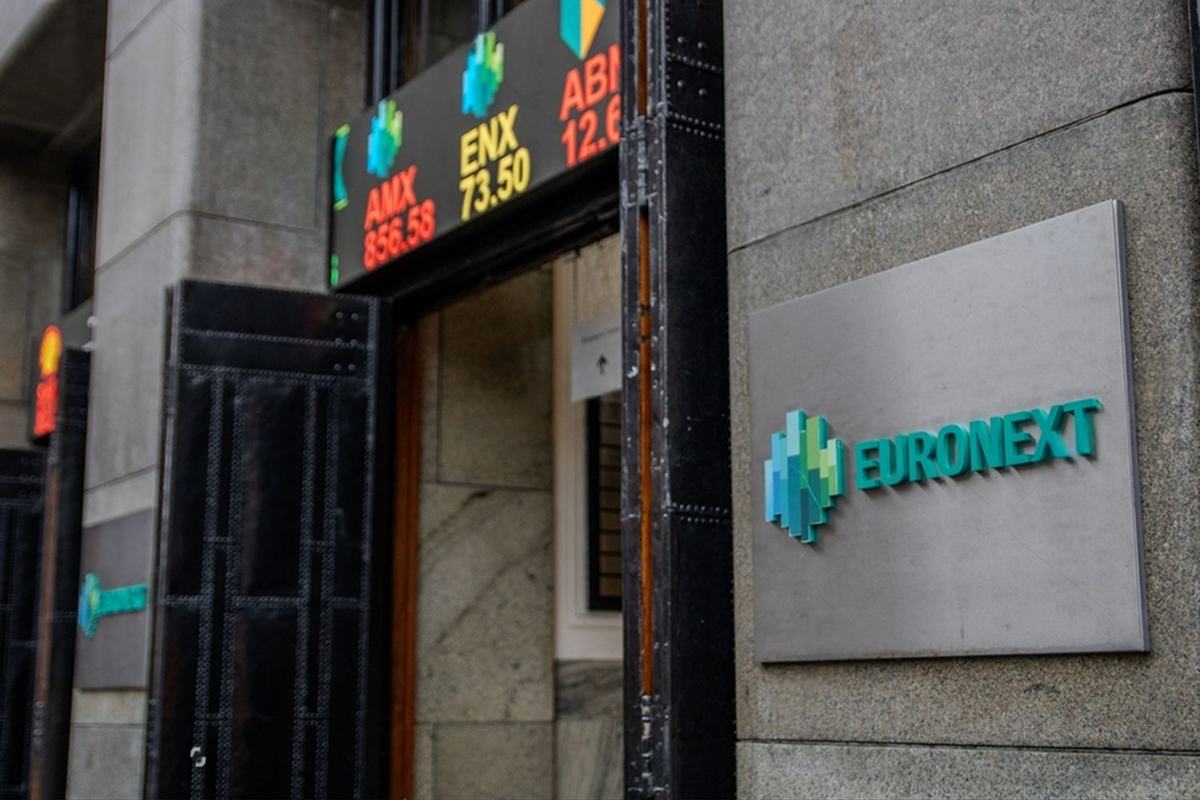
European equities closed broadly lower on June 23 as investors adopted a more cautious stance following recent market gains. Weakness across major continental benchmarks reflected growing concerns about economic momentum, while currency markets also showed pressure, with both the Euro Index and British Pound Index ending the session lower.
The decline came as global investors balanced ongoing geopolitical developments, monetary policy expectations, and slowing growth signals across several major economies. While some defensive sectors provided support, risk appetite weakened across much of the European market landscape.
Continental European Markets Lead Regional Declines
The broad-based weakness was most visible in continental Europe. The Euronext 100 Index fell by 1.06% to 1,905.47, while the EURO STOXX 50 declined by 1.00% to 6,247.96. The broader MSCI Europe Index recorded one of the steepest declines of the session, falling by 1.03% to 2,758.41.
Germany’s DAX slipped by 0.74% to 24,952.92, reflecting investor caution toward industrial and export-oriented companies. Germany remains highly sensitive to global trade conditions and manufacturing demand, making the index particularly vulnerable when growth expectations soften.
Meanwhile, France’s CAC 40 fell by 0.40% to 8,366.12. The decline highlighted continued pressure across consumer, luxury goods, and industrial sectors that have played a major role in European market performance over the past year.
FTSE 100 Demonstrates Relative Strength
In contrast to broader European weakness, the FTSE 100 managed to close higher, rising by 0.18% to 10,456.19. The UK benchmark benefited from its defensive composition and exposure to multinational companies with substantial overseas revenue streams.
The index’s resilience is particularly noteworthy given the decline in the British Pound Index, which fell by 0.46% to 131.91. A weaker pound can support earnings for internationally focused British companies by improving the value of foreign revenue when converted back into sterling.
Energy, healthcare, and consumer staples companies also helped provide stability for the UK market. These sectors often attract investors during periods of heightened uncertainty due to their relatively defensive earnings profiles and consistent cash flow generation.
Currency Weakness Signals Investor Caution
European currency markets reinforced the cautious tone evident in equities. The Euro Index declined by 0.40% to 113.82, while the British Pound Index also moved lower. Currency weakness can reflect expectations for slower economic activity, shifting interest-rate outlooks, or increased demand for safe-haven assets such as the U.S. dollar.
For global investors, currency movements remain a critical component of overall portfolio performance. A weaker euro can enhance the competitiveness of European exporters, but sustained currency declines may also signal concerns regarding regional economic strength.
Israeli investors with exposure to European equities are likely monitoring both market performance and foreign-exchange trends closely. Currency fluctuations can materially influence returns when investing across international markets, particularly during periods of elevated volatility.
Looking ahead, investors will closely monitor upcoming inflation data, European Central Bank commentary, corporate earnings updates, and economic growth indicators. While recent market declines may reflect short-term risk aversion, opportunities could emerge if economic data stabilizes and earnings remain resilient. Key risks include weaker-than-expected growth, persistent geopolitical uncertainty, and potential shifts in monetary policy expectations. At the same time, improving business activity, stronger corporate guidance, and stabilization in currency markets could help restore investor confidence across European equities in the weeks ahead.
Comparison, examination, and analysis between investment houses
Leave your details, and an expert from our team will get back to you as soon as possible
* This article, in whole or in part, does not contain any promise of investment returns, nor does it constitute professional advice to make investments in any particular field.
To read more about the full disclaimer, click here
- omer bar
- •
- 7 Min Read
- •
- ago 2 hours
SKN | Bitcoin Falls Below Key Levels as Tech Selloff Intensifies — Is More Downside Ahead for Crypto Markets?
Bitcoin extended its recent weakness on Tuesday, declining more than 4% as a broad selloff across technology stocks and other
- ago 2 hours
- •
- 7 Min Read

Bitcoin extended its recent weakness on Tuesday, declining more than 4% as a broad selloff across technology stocks and other

- orshu
- •
- 8 Min Read
- •
- ago 2 hours
SKN | Tel Aviv Stocks Extend Slide as TA-90 Drops Nearly 2% and Market Breadth Turns Sharply Negative
Israeli stocks closed lower on Monday, June 22, as selling pressure intensified across much of the market despite a modest
- ago 2 hours
- •
- 8 Min Read

Israeli stocks closed lower on Monday, June 22, as selling pressure intensified across much of the market despite a modest
- orshu
- •
- 7 Min Read
- •
- ago 3 hours
SKN | Direxion Daily S&P 500 Bear 1X ETF Gains as Investors Increase Defensive Positioning
The Direxion Daily S&P 500 Bear 1X Shares ETF (NYSE Arca: SPDN) moved higher on June 23, reflecting growing
- ago 3 hours
- •
- 7 Min Read
The Direxion Daily S&P 500 Bear 1X Shares ETF (NYSE Arca: SPDN) moved higher on June 23, reflecting growing
- orshu
- •
- 7 Min Read
- •
- ago 4 hours
SKN | U.S. Dollar Strengthens as Investors Seek Stability Amid Global Market Uncertainty
The U.S. Dollar Index (DXY) moved higher on June 23, rising to 101.30 as investors increased exposure to the world's
- ago 4 hours
- •
- 7 Min Read

The U.S. Dollar Index (DXY) moved higher on June 23, rising to 101.30 as investors increased exposure to the world's


