





- orshu
- •
- 7 Min Read
- •
- 3 hours ago
Key Points
- The U.S. Dollar Index advanced to 101.30, approaching the upper end of its 52-week trading range.
- Demand for the dollar reflects continued investor preference for defensive assets amid market volatility.
- Currency markets remain focused on interest rate expectations, economic data, and global risk sentiment.
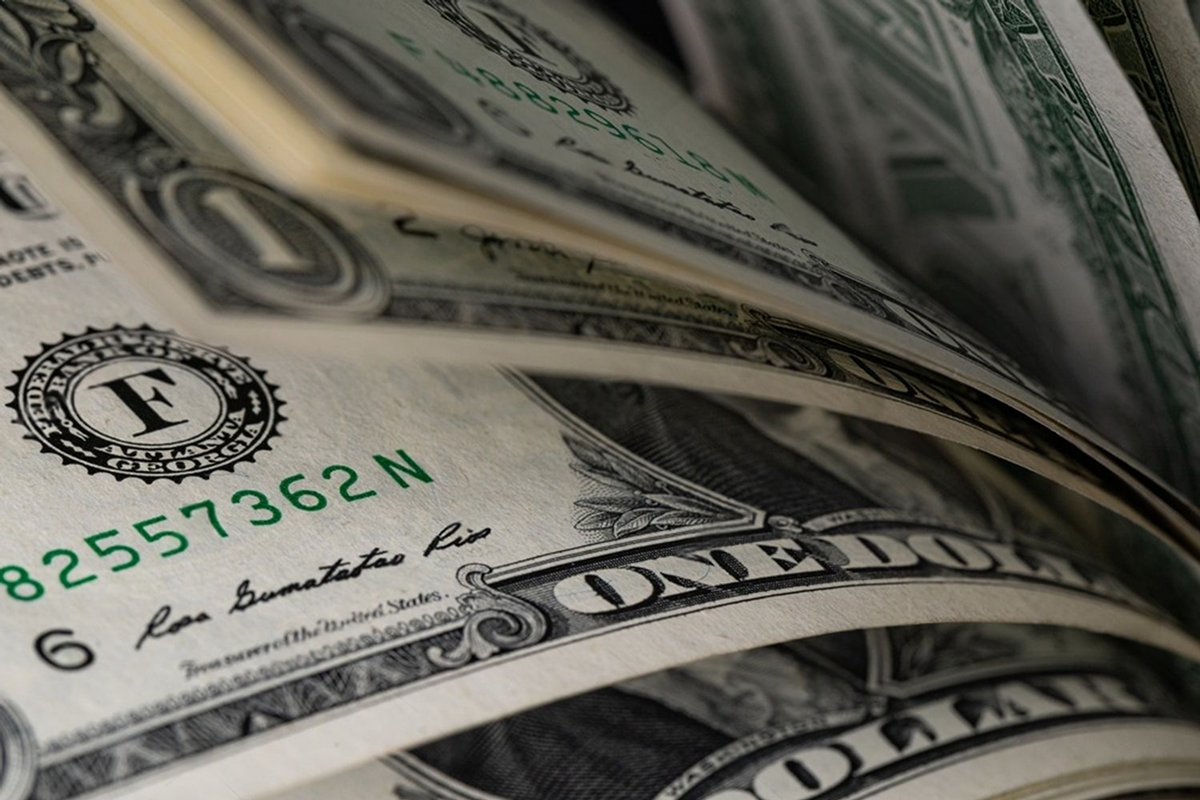
The U.S. Dollar Index (DXY) moved higher on June 23, rising to 101.30 as investors increased exposure to the world’s primary reserve currency. The gain comes during a period of elevated uncertainty across financial markets, with traders balancing economic growth concerns, monetary policy expectations, and geopolitical developments.
The dollar’s strength is particularly notable because it places the index near the upper end of its 52-week range of 95.55 to 101.33. As global investors evaluate risk, the U.S. currency continues to benefit from its role as a safe-haven asset and a key component of international trade and financial markets.
Dollar Advances Toward Annual Highs
The U.S. Dollar Index opened at 101.00 and climbed steadily throughout the session, reaching an intraday high of 101.33 before trading near 101.30. The move reflects sustained demand for the dollar across major currency pairs and signals a continuation of the recent strengthening trend.
The DXY measures the value of the U.S. dollar against a basket of major global currencies, including the euro, Japanese yen, British pound, Canadian dollar, Swedish krona, and Swiss franc. A rising index generally indicates that investors are favoring U.S. assets or reducing exposure to risk-sensitive markets.
The current advance also suggests that market participants continue to view the U.S. economy as relatively resilient compared with other major economies facing slower growth, inflation concerns, or political uncertainty.
Interest Rate Expectations Remain a Key Driver
One of the primary factors influencing currency markets remains the outlook for monetary policy. Expectations surrounding future Federal Reserve decisions continue to shape capital flows into dollar-denominated assets.
Higher interest rates generally support a stronger currency because they increase the attractiveness of bonds, money-market instruments, and other fixed-income investments. Investors closely monitor inflation data, employment figures, and economic growth indicators to assess the likely path of U.S. interest rates.
The bond market remains particularly important in this environment. Treasury yields influence global capital allocation decisions, and any significant change in yield expectations can quickly impact the dollar’s direction. Stronger economic data may reinforce support for the dollar, while signs of slowing growth could create pressure on the currency later in the year.
Global Market Implications of a Stronger Dollar
A stronger dollar has implications across multiple asset classes. For multinational corporations, currency appreciation can reduce the value of overseas earnings when translated back into U.S. dollars. This dynamic often becomes an important consideration during earnings season.
Commodity markets are also highly sensitive to dollar movements. Since commodities such as oil, gold, and industrial metals are generally priced in dollars, a stronger currency can create headwinds for commodity prices by making them more expensive for international buyers.
Emerging markets often feel the impact as well. Countries and corporations with significant dollar-denominated debt may face higher financing costs when the U.S. currency appreciates. For investors in Israel and other global markets, monitoring the dollar remains essential because exchange rate fluctuations can influence trade flows, investment returns, and inflation trends.
What Investors Should Watch Next
Looking ahead, market participants will closely monitor upcoming inflation reports, labor market data, Federal Reserve communications, and developments in global growth expectations. The dollar’s proximity to its 52-week high suggests that currency markets remain highly sensitive to economic surprises and changes in monetary policy expectations.
A sustained move above recent highs could reinforce the dollar’s defensive appeal and influence capital flows across equities, bonds, and commodities. Conversely, signs of moderating inflation or weaker economic activity could reduce support for the currency. Investors should also monitor geopolitical developments, global central bank actions, and Treasury market performance, as these factors are likely to play a significant role in determining the next phase of the dollar’s trajectory.
Comparison, examination, and analysis between investment houses
Leave your details, and an expert from our team will get back to you as soon as possible
* This article, in whole or in part, does not contain any promise of investment returns, nor does it constitute professional advice to make investments in any particular field.
To read more about the full disclaimer, click here
- orshu
- •
- 7 Min Read
- •
- ago 57 minutes
SKN | European Markets End Lower as Growth Concerns Weigh on Investor Sentiment
European equities closed broadly lower on June 23 as investors adopted a more cautious stance following recent market gains.
- ago 57 minutes
- •
- 7 Min Read
European equities closed broadly lower on June 23 as investors adopted a more cautious stance following recent market gains.
- orshu
- •
- 8 Min Read
- •
- ago 1 hour
SKN | Tel Aviv Stocks Extend Slide as TA-90 Drops Nearly 2% and Market Breadth Turns Sharply Negative
Israeli stocks closed lower on Monday, June 22, as selling pressure intensified across much of the market despite a modest
- ago 1 hour
- •
- 8 Min Read

Israeli stocks closed lower on Monday, June 22, as selling pressure intensified across much of the market despite a modest
- orshu
- •
- 7 Min Read
- •
- ago 2 hours
SKN | Direxion Daily S&P 500 Bear 1X ETF Gains as Investors Increase Defensive Positioning
The Direxion Daily S&P 500 Bear 1X Shares ETF (NYSE Arca: SPDN) moved higher on June 23, reflecting growing
- ago 2 hours
- •
- 7 Min Read
The Direxion Daily S&P 500 Bear 1X Shares ETF (NYSE Arca: SPDN) moved higher on June 23, reflecting growing
- orshu
- •
- 7 Min Read
- •
- ago 4 hours
SKN | Wall Street Retreats as Volatility Surges and Technology Stocks Lead Market Pullback
U.S. equity markets traded lower on June 23 as investors reassessed risk exposure amid rising volatility and renewed pressure
- ago 4 hours
- •
- 7 Min Read

U.S. equity markets traded lower on June 23 as investors reassessed risk exposure amid rising volatility and renewed pressure


