





- orshu
- •
- 6 Min Read
- •
- 5 hours ago
Key Points
- The MSCI Europe Index led losses with a 1.42% decline, reflecting broad-based weakness across the region.
- Germany’s DAX and the EURO STOXX 50 fell more than 1%, highlighting significant pressure on eurozone equities.
- The British pound strengthened while the euro weakened, creating a divergence in European currency markets amid the equity selloff.
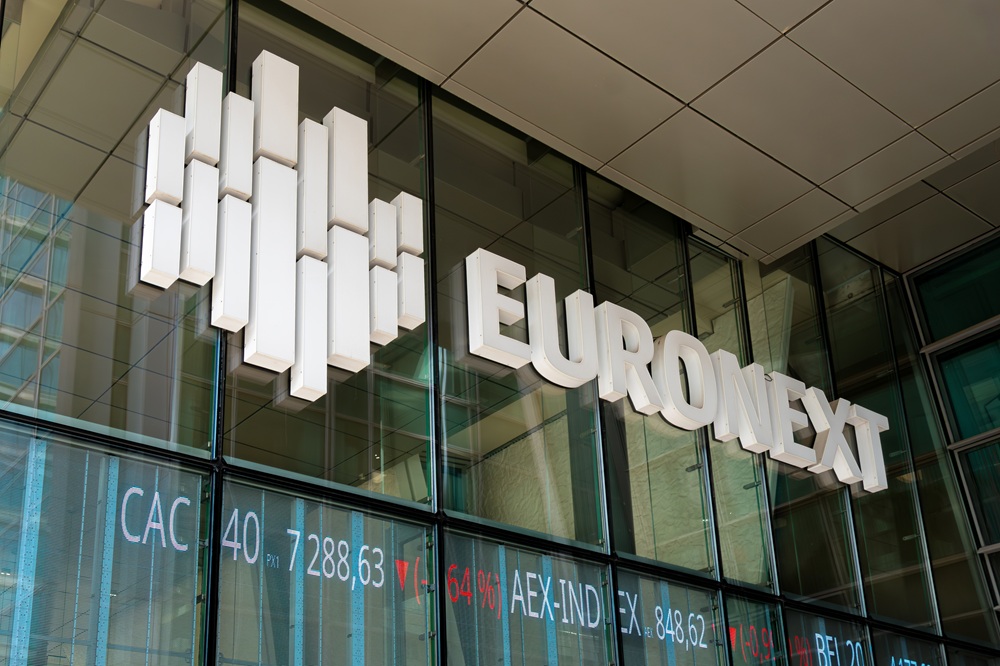
European markets moved decisively lower on June 23, 2026, as investors reduced exposure to equities across the region. Nearly every major benchmark closed in negative territory, with Germany, the eurozone, and broader regional indices posting notable losses. The widespread decline suggests a shift toward a more cautious investment stance after several weeks of strong market performance.
The selloff was broad-based, affecting both national and regional benchmarks. Investors appeared to favor profit-taking and defensive positioning, leading to one of the weakest sessions seen in European markets this month.
Germany and Eurozone Benchmarks Lead Declines
Germany’s DAX fell 1.21% to 24,836.28, making it one of the weakest-performing major indices during the session. The decline pushed the benchmark back below the 25,000 level, highlighting growing caution toward industrial and export-oriented sectors that have driven much of the market’s recent gains.
The EURO STOXX 50 dropped 1.13% to 6,239.71, reflecting significant selling pressure among large-cap eurozone companies. The benchmark’s decline indicates that investors were broadly reducing exposure to some of Europe’s largest publicly traded firms.
France’s CAC 40 also weakened substantially, falling 0.82% to 8,331.38. The retreat erased a portion of the gains accumulated during the recent rally and underscored the cautious tone spreading across continental European markets.
Regional Indices Reflect Widespread Weakness
The Euronext 100 Index declined 1.11% to 1,904.57, signaling weakness among multinational companies operating across multiple European markets. The decline suggests that investors were not merely targeting individual countries but were reducing exposure to European equities more broadly.
Meanwhile, the MSCI Europe Index dropped 1.42% to 2,747.51, making it the weakest major benchmark of the session. The decline highlights widespread participation in the selloff and reflects weakening sentiment across sectors and geographic regions.
The broad decline in regional indicators suggests that market participants adopted a defensive approach as uncertainty weighed on investor confidence.
U.K. Market Joins the Downturn While Currencies Diverge
The FTSE 100 fell 0.68% to 10,366.76, joining the broader European decline. While the loss was less severe than those seen in Germany and regional benchmarks, it still reflected growing investor caution toward equities.
Currency markets delivered mixed results. The British Pound Index rose 0.35% to 132.52, offering a rare positive note during the session. In contrast, the Euro Index fell 0.28% to 114.28, continuing its recent downward trend and highlighting ongoing weakness in the common currency.
The divergence between the pound and euro suggests that currency traders remain selective even as equity markets experience broader selling pressure.
Outlook
The sharp decline across European markets indicates that investors are becoming more cautious following a strong rally earlier in June. While the current pullback may represent profit-taking rather than a fundamental shift in outlook, the breadth of the declines suggests sentiment has weakened in the near term. Investors will continue monitoring economic data, inflation trends, central bank commentary, and geopolitical developments for signals about whether the recent weakness is temporary or the beginning of a more sustained correction.
Comparison, examination, and analysis between investment houses
Leave your details, and an expert from our team will get back to you as soon as possible
* This article, in whole or in part, does not contain any promise of investment returns, nor does it constitute professional advice to make investments in any particular field.
To read more about the full disclaimer, click here
- orshu
- •
- 6 Min Read
- •
- ago 3 hours
SKN | Asia Markets Sink on June 23, 2026 as South Korea Plunges Nearly 10% and Japan Slides 3.55%
Asian markets closed sharply lower on June 23, 2026, as a widespread selloff swept across the region. Investors moved aggressively
- ago 3 hours
- •
- 6 Min Read

Asian markets closed sharply lower on June 23, 2026, as a widespread selloff swept across the region. Investors moved aggressively
- orshu
- •
- 7 Min Read
- •
- ago 16 hours
SKN | Markets Diverge on June 22, 2026 as Small Caps Rise While Technology Stocks Extend Pullback
U.S. equity markets delivered mixed results on Monday, June 22, 2026, as investors continued rotating away from high-growth technology stocks
- ago 16 hours
- •
- 7 Min Read

U.S. equity markets delivered mixed results on Monday, June 22, 2026, as investors continued rotating away from high-growth technology stocks

- omer bar
- •
- 7 Min Read
- •
- ago 18 hours
SKN | Is the AI Rally Losing Momentum? S&P 500 Slides as Big Tech and SpaceX Face Growing Pressure
U.S. equities began the week on a mixed note as technology stocks weighed heavily on broader market sentiment. The S&P
- ago 18 hours
- •
- 7 Min Read
U.S. equities began the week on a mixed note as technology stocks weighed heavily on broader market sentiment. The S&P
- orshu
- •
- 8 Min Read
- •
- ago 20 hours
SKN | Volatility Returns: What the VIX Surge Signals for Markets on June 22
The CBOE Volatility Index (VIX), often referred to as Wall Street’s “fear gauge,” moved higher on June 22 as
- ago 20 hours
- •
- 8 Min Read

The CBOE Volatility Index (VIX), often referred to as Wall Street’s “fear gauge,” moved higher on June 22 as


