





- Arik Arkadi Sluzki
- •
- 8 Min Read
- •
- 3 hours ago
Key Points
- Oracle has introduced new AI-powered hospitality tools while Loews Hotels & Co. transitions to the OPERA Cloud platform across its properties.
- The move highlights Oracle's strategy to embed artificial intelligence into industry-specific software solutions beyond traditional enterprise applications.
- Hospitality operators are increasingly adopting cloud-based platforms to improve operational efficiency, guest experiences, and revenue management capabilities.
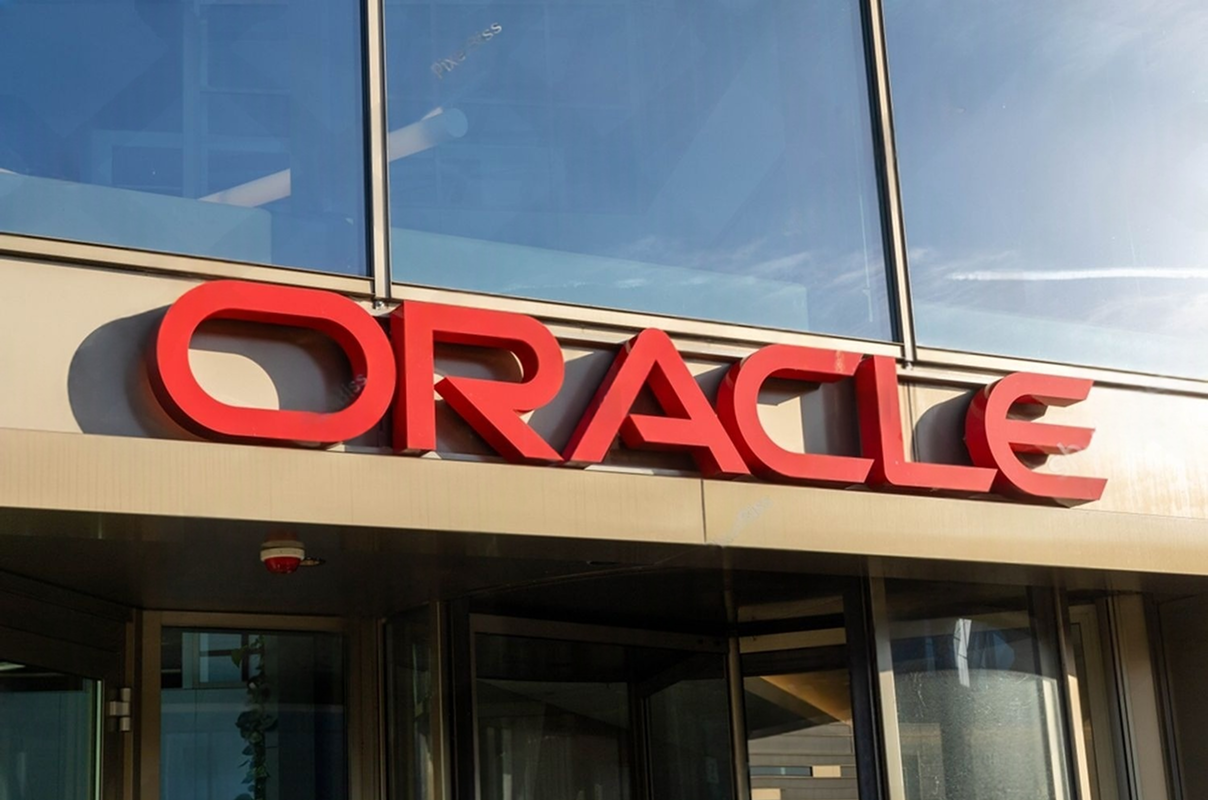
Oracle Corporation (NYSE: ORCL) is accelerating its expansion into industry-specific artificial intelligence applications with the launch of new AI-powered hotel tools alongside the deployment of its OPERA Cloud platform at Loews Hotels & Co. The initiative reflects a broader trend across enterprise software markets, where companies are integrating AI capabilities directly into operational workflows rather than offering standalone technology solutions.
The announcement comes at a time when hospitality companies are increasingly investing in digital transformation initiatives to enhance guest experiences, streamline operations, and improve profitability. For Oracle, the hospitality sector represents another opportunity to strengthen its cloud ecosystem while expanding the practical use cases for artificial intelligence.
AI Moves Beyond General Enterprise Applications
Artificial intelligence has become a central theme across the technology sector, but the focus is increasingly shifting from broad AI platforms toward specialized industry applications. Oracle’s latest hospitality tools demonstrate how AI can be integrated directly into day-to-day hotel operations, helping operators automate tasks, improve service quality, and make faster business decisions.
The company’s new AI capabilities are designed to assist hotel staff by reducing administrative workloads and enhancing operational visibility. Rather than replacing employees, the technology aims to support decision-making and improve efficiency across areas such as guest communications, reservations, and property management.
This approach reflects a growing trend among enterprise software providers. Businesses are increasingly seeking measurable operational improvements rather than experimental AI deployments. As a result, software vendors that can demonstrate practical business value are gaining a competitive advantage.
Oracle’s strategy also reinforces the company’s broader positioning as a provider of integrated cloud infrastructure, applications, and artificial intelligence solutions.
Loews Hotels Adoption Highlights Cloud Transformation Trend
The implementation of OPERA Cloud across Loews Hotels properties underscores the hospitality industry’s ongoing migration from legacy systems to cloud-based platforms. Hotels increasingly require flexible technology environments capable of supporting real-time operations across multiple locations.
Cloud-based property management systems allow operators to centralize information, improve scalability, and gain better visibility into customer behavior and operational performance. For large hotel groups, these capabilities can contribute to improved efficiency and more consistent guest experiences.
Loews Hotels’ adoption of Oracle’s platform reflects confidence in cloud-native hospitality technology at a time when customer expectations continue evolving. Travelers increasingly expect personalized experiences, seamless digital interactions, and efficient service delivery throughout the booking and stay process.
The deployment also demonstrates how enterprise software companies are targeting vertical industries with customized solutions rather than relying solely on general-purpose business applications.
Hospitality Technology Becomes a Strategic Growth Market
Oracle’s hospitality initiatives illustrate the growing importance of industry-specific software markets. As digital transformation expands across sectors, technology vendors are increasingly competing to become essential infrastructure providers for specialized industries.
The hospitality sector offers significant long-term opportunities because hotels generate large volumes of operational and customer data. Artificial intelligence can help organizations extract greater value from that information through predictive analytics, automation, and personalized customer engagement.
For investors, the development highlights Oracle’s broader growth strategy. While the company remains known for database software, cloud infrastructure, and enterprise applications, expanding into AI-driven vertical solutions creates additional avenues for revenue growth. This diversification may help strengthen Oracle’s competitive position against other major cloud and software providers.
The trend also has implications beyond hospitality. Industries including healthcare, financial services, retail, and manufacturing are increasingly adopting similar AI-powered operational platforms, creating a larger addressable market for enterprise technology companies.
Looking ahead, investors will be monitoring the adoption rate of Oracle’s AI-powered industry solutions, growth within its cloud applications segment, and the company’s ability to translate technological innovation into recurring revenue. The hospitality sector’s ongoing digital transformation could provide a meaningful growth opportunity if cloud migration and AI adoption continue accelerating. At the same time, competition among enterprise software providers remains intense, making customer retention, platform scalability, and measurable operational outcomes key indicators of Oracle’s long-term success in the evolving AI economy.
Comparison, examination, and analysis between investment houses
Leave your details, and an expert from our team will get back to you as soon as possible
* This article, in whole or in part, does not contain any promise of investment returns, nor does it constitute professional advice to make investments in any particular field.
To read more about the full disclaimer, click here
- omer bar
- •
- 7 Min Read
- •
- ago 1 hour
SKN | Amazon AI Executive Predicts First Commercially Useful Quantum Computers Within 5–7 Years
Amazon Sees Quantum Computing Approaching Commercial Reality Amazon is becoming increasingly optimistic about the future of quantum computing, with one
- ago 1 hour
- •
- 7 Min Read

Amazon Sees Quantum Computing Approaching Commercial Reality Amazon is becoming increasingly optimistic about the future of quantum computing, with one

- Ronny Mor
- •
- 8 Min Read
- •
- ago 2 hours
SKN | Ford’s Software Strategy Gains Attention as Investors Reassess Long-Term Value Potential
Ford Motor Company (NYSE: F) is increasingly being viewed through a technology lens as investors evaluate the potential impact
- ago 2 hours
- •
- 8 Min Read
Ford Motor Company (NYSE: F) is increasingly being viewed through a technology lens as investors evaluate the potential impact

- Lior mor
- •
- 8 Min Read
- •
- ago 3 hours
SKN | Lucid Shares Under Pressure as Investors Weigh EV Growth Potential Against Execution Risks
Lucid Group, Inc. (NASDAQ: LCID) recently declined more than the broader market, highlighting the ongoing challenges facing electric vehicle
- ago 3 hours
- •
- 8 Min Read

Lucid Group, Inc. (NASDAQ: LCID) recently declined more than the broader market, highlighting the ongoing challenges facing electric vehicle
- omer bar
- •
- 8 Min Read
- •
- ago 3 hours
SKN | Boot Barn Surges Higher as Strong Consumer Demand Reinforces Growth Outlook
Boot Barn Holdings, Inc. (NYSE: BOOT) attracted investor attention after its shares advanced during trading, outperforming many retail peers
- ago 3 hours
- •
- 8 Min Read

Boot Barn Holdings, Inc. (NYSE: BOOT) attracted investor attention after its shares advanced during trading, outperforming many retail peers


