





- orshu
- •
- 7 Min Read
- •
- 2 hours ago
Key Points
- The CBOE Volatility Index (VIX) climbed 7.96% on June 10, signaling increased demand for portfolio protection and heightened market uncertainty.
- The index traded at 21.45 after moving within a daily range of 20.06 to 22.66, reflecting elevated intraday volatility.
- Rising volatility suggests investors are closely monitoring upcoming economic data, monetary policy expectations, and broader market sentiment.
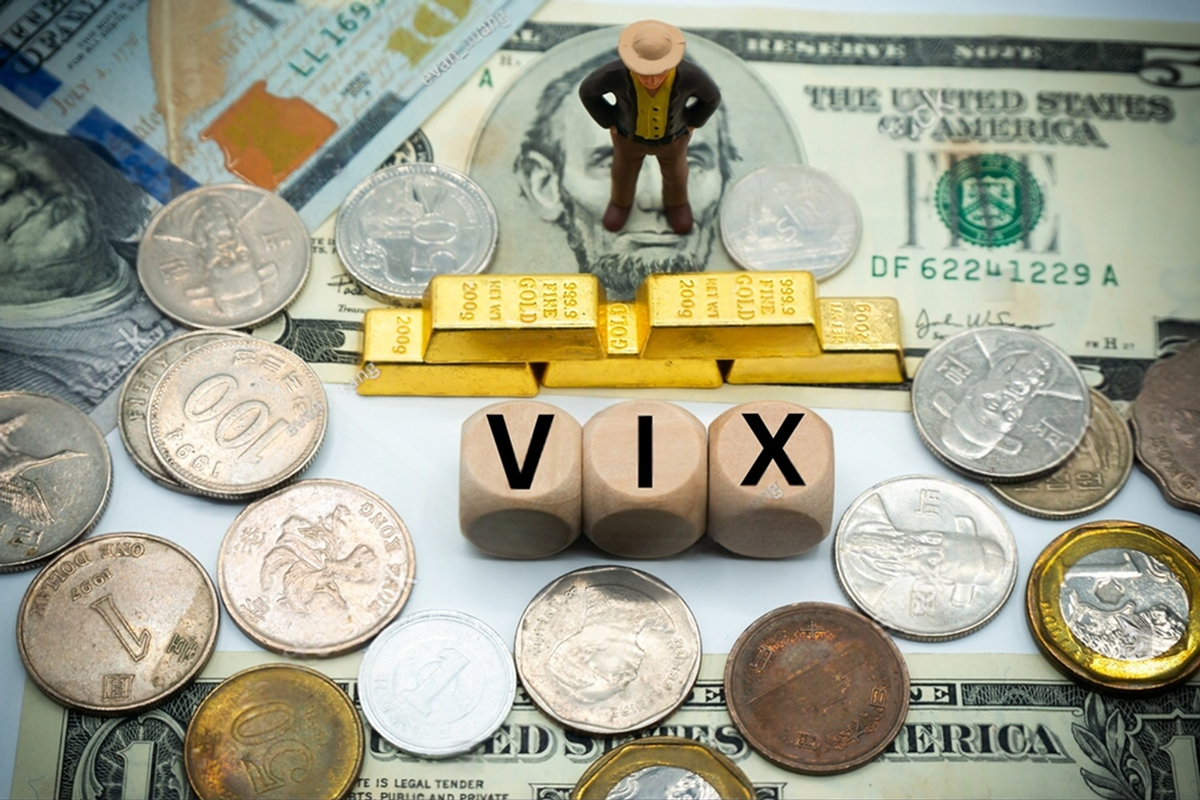
The CBOE Volatility Index (VIX), widely known as Wall Street’s “fear gauge,” moved sharply higher on June 10, highlighting a more cautious tone across financial markets. While equity markets may experience routine fluctuations, a notable increase in the VIX often indicates that investors are purchasing options protection against potential downside risks.
The latest session reflects growing attention to macroeconomic developments, interest-rate expectations, and geopolitical uncertainties that continue to influence global investment decisions. Rather than signaling panic, the increase suggests markets are pricing in a wider range of possible outcomes over the coming weeks.
Volatility Picks Up as Risk Sentiment Softens
The VIX traded at approximately 21.45, rising by 7.96% from its previous close of 18.92. The index opened around 20.10 before advancing throughout the trading session and reaching an intraday range between 20.06 and 22.66.
Unlike traditional stock indices, the VIX measures the market’s expectation of volatility based on options pricing for the S&P 500. Higher readings generally indicate that investors expect larger market swings over the next 30 days, while lower readings typically reflect greater confidence and stability.
Although a level above 20 has historically been associated with elevated caution, it remains well below periods of extreme market stress when the index has surged significantly higher. Therefore, the current move suggests increased uncertainty rather than widespread financial panic.
What Rising Volatility Means for Equity Markets
A strengthening VIX frequently coincides with defensive positioning among institutional investors. Portfolio managers may increase hedging activity through options or rotate capital toward sectors considered less sensitive to economic slowdowns, including utilities, healthcare, and consumer staples.
Conversely, growth-oriented sectors such as technology, small-cap companies, and highly valued momentum stocks often become more vulnerable when volatility expectations increase. Investors may reassess risk premiums, leading to greater dispersion in individual stock performance.
Financial markets are also influenced by expectations surrounding central bank policy. If investors believe interest rates could remain elevated for longer or economic data introduces uncertainty about inflation trends, implied volatility may continue to rise. At the same time, stronger-than-expected corporate earnings or favorable macroeconomic indicators could quickly reduce demand for downside protection and moderate the VIX.
Global Investors Continue Monitoring Macro Risks
The movement in the VIX has implications beyond U.S. equities. Global investors, including those in Israel, often monitor the index as an indicator of worldwide risk sentiment because elevated volatility can influence capital flows across equities, bonds, commodities, and currencies.
Periods of higher volatility may also impact exchange-traded funds, derivative markets, and portfolio allocation strategies. Some investors seek diversification, while others temporarily reduce exposure to higher-risk assets until market conditions become clearer.
The index’s reported 52-week range of 13.38 to 35.30 demonstrates how significantly market expectations can change over time. Current levels remain above the lower end of that range but considerably below historical crisis peaks, indicating that markets are cautious without reaching extreme stress conditions.
Looking ahead, investors will closely monitor upcoming economic releases, inflation indicators, labor market data, corporate earnings updates, and communications from major central banks. Any developments that alter expectations for monetary policy or global economic growth could influence volatility levels further. Should uncertainty diminish, the VIX could retreat as confidence improves. However, persistent macroeconomic risks or unexpected geopolitical developments may sustain elevated volatility, making risk management and diversification key themes for market participants during the remainder of June.
Comparison, examination, and analysis between investment houses
Leave your details, and an expert from our team will get back to you as soon as possible
* This article, in whole or in part, does not contain any promise of investment returns, nor does it constitute professional advice to make investments in any particular field.
To read more about the full disclaimer, click here
- orshu
- •
- 7 Min Read
- •
- ago 4 hours
SKN | European Markets End Lower as German and Eurozone Benchmarks Lead Regional Pullback
European markets closed with a mixed but generally weaker tone on June 10, as selling pressure across continental Europe
- ago 4 hours
- •
- 7 Min Read
European markets closed with a mixed but generally weaker tone on June 10, as selling pressure across continental Europe
- orshu
- •
- 8 Min Read
- •
- ago 5 hours
SKN | Tel Aviv Stocks Extend Selloff as TA-125 Falls for Second Straight Session and Mid-Caps Lead Market Lower
Israeli markets closed sharply lower on Wednesday, June 10, 2026, as investors continued reducing exposure to equities following the previous
- ago 5 hours
- •
- 8 Min Read

Israeli markets closed sharply lower on Wednesday, June 10, 2026, as investors continued reducing exposure to equities following the previous
- orshu
- •
- 7 Min Read
- •
- ago 7 hours
SKN | U.S. Markets Turn Cautious as Volatility Climbs and Major Equity Benchmarks Slip
U.S. financial markets traded with a defensive tone on June 10 as investors reduced risk exposure across major equity
- ago 7 hours
- •
- 7 Min Read

U.S. financial markets traded with a defensive tone on June 10 as investors reduced risk exposure across major equity
- orshu
- •
- 6 Min Read
- •
- ago 11 hours
SKN | Asia Markets Close Mostly Lower on June 10, 2026 as South Korea Leads Regional Declines
Asian markets closed mostly lower on June 10, 2026, as renewed selling pressure weighed on regional equities. Following the sharp
- ago 11 hours
- •
- 6 Min Read

Asian markets closed mostly lower on June 10, 2026, as renewed selling pressure weighed on regional equities. Following the sharp


