





- orshu
- •
- 7 Min Read
- •
- 1 hour ago
Key Points
- European equities closed mostly lower on June 10, with Germany’s DAX and the EURO STOXX 50 recording the sharpest declines among major benchmarks.
- The FTSE 100 was the notable exception, rising 0.27%, while the Euro Index and British Pound Index posted modest gains.
- The mixed performance highlights continued investor caution as markets assess economic growth, inflation trends, and future monetary policy across Europe.
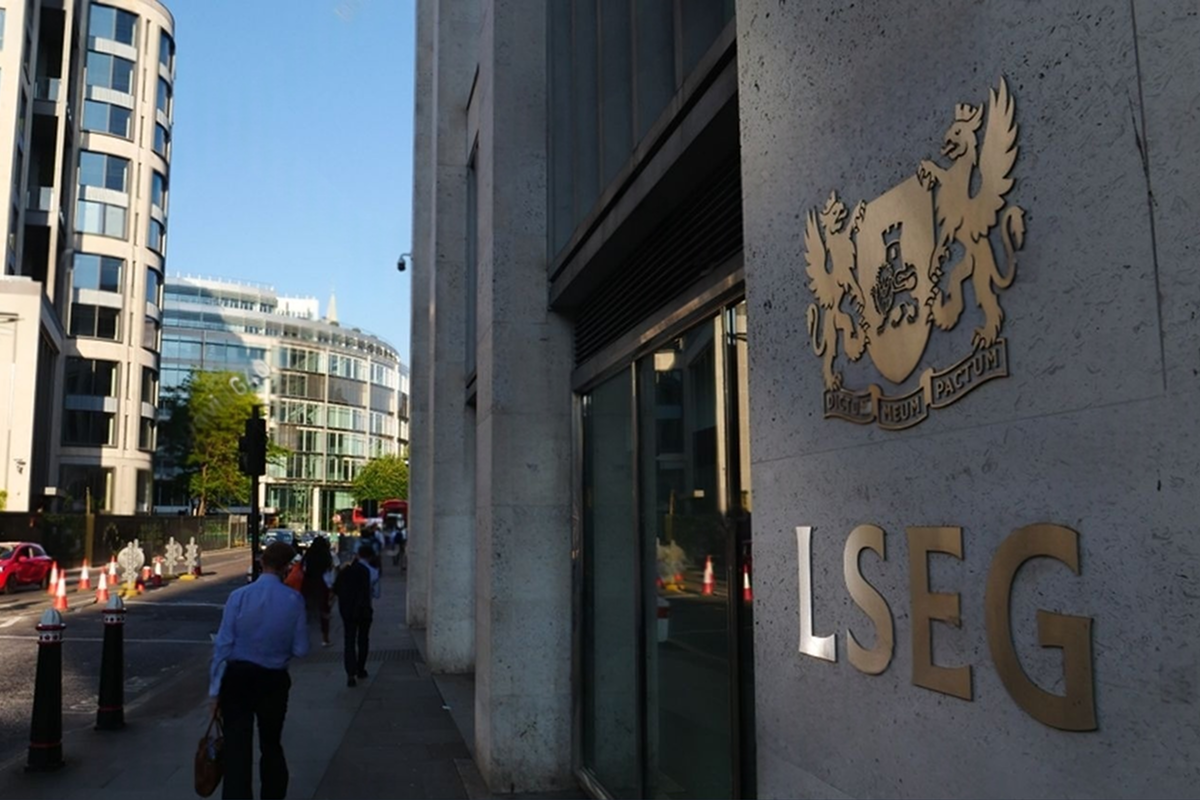
European markets closed with a mixed but generally weaker tone on June 10, as selling pressure across continental Europe outweighed gains in the United Kingdom. Investors continued to balance expectations for economic growth and monetary policy against ongoing geopolitical and macroeconomic uncertainties, resulting in selective positioning rather than broad-based buying.
Although currency markets remained relatively stable, weakness across several major equity benchmarks suggests that investors maintained a cautious stance ahead of upcoming economic data and central bank developments. The divergence between the FTSE 100 and continental indices illustrates differing sector dynamics and investor sentiment across the region.
German and Eurozone Equities Lead the Regional Decline
The DAX posted the largest decline among the major benchmarks, falling 0.97% to 24,195.31. As Germany remains Europe’s largest economy and manufacturing hub, weakness in the DAX often reflects investor concerns regarding industrial activity, exports, and broader economic momentum across the continent.
The EURO STOXX 50 also weakened, declining 0.66% to 6,009.95. The benchmark represents many of the eurozone’s largest publicly traded companies, making its performance an important indicator of institutional sentiment toward blue-chip European equities. The decline suggests investors became more defensive despite relatively stable currency markets.
Meanwhile, France’s CAC 40 fell 0.51% to 8,161.83. The French benchmark includes globally diversified companies across luxury goods, industrials, financial services, and consumer sectors. Its decline indicates that selling pressure extended beyond individual industries and reflected broader caution across continental Europe.
FTSE 100 Outperforms While Regional Breadth Remains Mixed
In contrast to the broader regional weakness, the FTSE 100 advanced 0.27% to 10,254.81, making it the strongest-performing major index within the dataset. The FTSE’s composition, which includes numerous multinational companies generating significant overseas revenue, often provides resilience during periods of economic uncertainty.
The Euronext 100 Index edged lower by 0.16% to 1,862.64, while the broader MSCI Europe Index also declined 0.16% to 2,716.53. These relatively modest losses suggest that the regional pullback was orderly rather than indicative of widespread market stress.
The mixed performance across European benchmarks demonstrates that investors are becoming increasingly selective, favoring markets and sectors perceived to have stronger earnings resilience while reducing exposure to areas more sensitive to slowing economic growth or policy uncertainty.
Currency Stability Provides a Partial Counterbalance
Unlike equity markets, European currencies posted modest gains during the session. The Euro Index rose 0.10% to 115.54, while the British Pound Index increased 0.09% to 133.91. Although these advances were relatively small, they indicate that currency investors did not exhibit the same level of caution seen in equities.
A stable or strengthening currency can reflect confidence in monetary policy expectations and the broader financial system. However, modest currency gains alongside declining equity indices may also suggest that investors are reallocating capital rather than abandoning European assets altogether.
For global investors, including those in Israel, currency movements remain an important consideration because exchange-rate fluctuations can materially influence international portfolio returns. The interaction between equities and currencies will continue to shape cross-border investment decisions as macroeconomic conditions evolve.
Looking ahead, investors will closely monitor inflation data, business activity indicators, labor market reports, and communications from the European Central Bank for signals regarding future monetary policy. Market participants will also watch whether Germany’s industrial outlook improves and whether corporate earnings continue supporting valuations across the region. If economic indicators strengthen, European equities could regain momentum; however, persistent growth concerns or renewed geopolitical uncertainty may keep investors positioned defensively as trading progresses through June.
Comparison, examination, and analysis between investment houses
Leave your details, and an expert from our team will get back to you as soon as possible
* This article, in whole or in part, does not contain any promise of investment returns, nor does it constitute professional advice to make investments in any particular field.
To read more about the full disclaimer, click here
- orshu
- •
- 8 Min Read
- •
- ago 2 hours
SKN | Tel Aviv Stocks Extend Selloff as TA-125 Falls for Second Straight Session and Mid-Caps Lead Market Lower
Israeli markets closed sharply lower on Wednesday, June 10, 2026, as investors continued reducing exposure to equities following the previous
- ago 2 hours
- •
- 8 Min Read

Israeli markets closed sharply lower on Wednesday, June 10, 2026, as investors continued reducing exposure to equities following the previous
- orshu
- •
- 7 Min Read
- •
- ago 4 hours
SKN | U.S. Markets Turn Cautious as Volatility Climbs and Major Equity Benchmarks Slip
U.S. financial markets traded with a defensive tone on June 10 as investors reduced risk exposure across major equity
- ago 4 hours
- •
- 7 Min Read

U.S. financial markets traded with a defensive tone on June 10 as investors reduced risk exposure across major equity
- orshu
- •
- 6 Min Read
- •
- ago 8 hours
SKN | Asia Markets Close Mostly Lower on June 10, 2026 as South Korea Leads Regional Declines
Asian markets closed mostly lower on June 10, 2026, as renewed selling pressure weighed on regional equities. Following the sharp
- ago 8 hours
- •
- 6 Min Read

Asian markets closed mostly lower on June 10, 2026, as renewed selling pressure weighed on regional equities. Following the sharp
- orshu
- •
- 7 Min Read
- •
- ago 10 hours
SKN | Tel Aviv Markets Slide Sharply as TA-125 and TA-35 Extend Broad-Based Declines
Israeli equity markets opened under sustained selling pressure, with broad declines recorded across leading benchmarks on the Tel Aviv Stock
- ago 10 hours
- •
- 7 Min Read

Israeli equity markets opened under sustained selling pressure, with broad declines recorded across leading benchmarks on the Tel Aviv Stock


