


- sagi habasov
- •
- 7 Min Read
- •
- 6 hours ago
Key Points
- Crude oil prices recorded their strongest monthly advance in four weeks, supported by renewed uncertainty in US–Iran diplomatic discussions.
- Market participants are reassessing geopolitical risk premiums as tensions in the Middle East continue to influence energy supply expectations.
- Broader macro conditions, including demand stability and OPEC+ policy, continue to interact with geopolitical developments in shaping price direction.
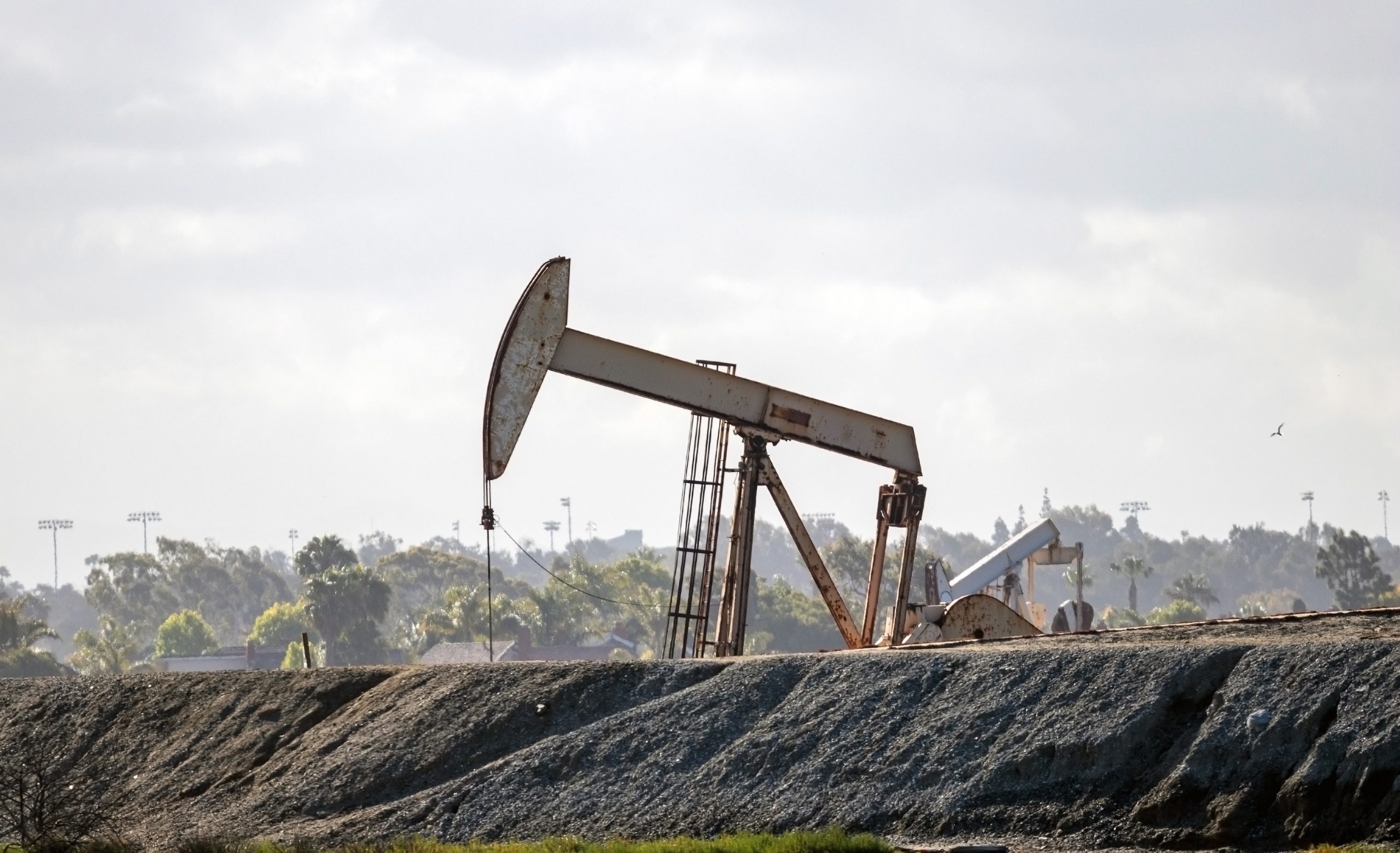
Global oil markets are navigating a renewed wave of geopolitical uncertainty as crude prices register their largest monthly gain in four weeks, driven by a stalled diplomatic process between the United States and Iran. The lack of progress in negotiations has reintroduced a risk premium into energy markets, reinforcing concerns over potential supply disruptions in a region critical to global crude flows. For investors in Israel and internationally, the development highlights how political dynamics continue to exert a strong influence on energy pricing alongside traditional demand indicators.
Geopolitical Tensions Reintroduce Risk Premium
The primary driver behind the recent oil price strength has been the deterioration in expectations surrounding US–Iran talks. Market participants have increasingly priced in the possibility that prolonged diplomatic deadlock could limit future Iranian supply contributions or escalate regional instability.
Iran remains a key producer within OPEC, and any constraints on its export capacity can tighten global supply conditions. Even without immediate disruptions, the perception of risk alone is often sufficient to lift crude benchmarks as traders incorporate potential future shocks into pricing models. This has contributed to oil holding onto its strongest monthly performance in recent weeks, despite relatively stable physical supply conditions elsewhere.
At the same time, shipping routes in the broader Middle East remain a focus for energy markets, with any escalation in regional tensions capable of amplifying volatility in freight costs and insurance premiums.
Supply Dynamics and OPEC+ Policy Context
Beyond geopolitics, oil markets continue to be shaped by the strategic actions of OPEC+ producers. Output management decisions have played a stabilizing role in recent years, helping to balance fluctuations in global demand and prevent excessive oversupply conditions.
However, the current geopolitical backdrop adds complexity to this framework. Even modest shifts in expectations regarding Iranian exports or regional stability can influence broader production assumptions across the group. This interaction between policy discipline and geopolitical uncertainty remains a key determinant of price direction.
On the demand side, global consumption trends have remained relatively steady, supported by resilient travel activity and industrial usage in major economies. However, growth remains uneven across regions, leaving markets sensitive to any supply-side disruptions.
Macro Conditions and Energy Market Sensitivity
Energy markets are also responding to broader macroeconomic signals, including interest rate expectations and global growth trajectories. While inflationary pressures have moderated in some economies, energy remains a critical input cost, meaning that even moderate price increases can influence broader inflation dynamics.
For institutional investors, oil continues to function as both a macro-sensitive asset and a geopolitical hedge. This dual role increases responsiveness to political developments such as stalled negotiations between major geopolitical actors.
Additionally, currency movements and inventory data continue to shape short-term trading sentiment, with market participants closely monitoring weekly US stockpile figures for directional cues.
Looking ahead, the balance between geopolitical risk and fundamental supply-demand conditions will remain central to oil price direction. Any breakthrough in diplomatic negotiations could reduce the current risk premium, while further deterioration could extend recent gains. At the same time, OPEC+ policy decisions and global demand resilience will continue to serve as stabilizing or amplifying forces depending on market conditions.
For global energy markets, the current environment underscores a recurring theme: oil pricing remains highly sensitive to geopolitical developments, with the US–Iran dynamic once again emerging as a key variable shaping short-term market sentiment.
Comparison, examination, and analysis between investment houses
Leave your details, and an expert from our team will get back to you as soon as possible
* This article, in whole or in part, does not contain any promise of investment returns, nor does it constitute professional advice to make investments in any particular field.
To read more about the full disclaimer, click here
- Lior mor
- •
- 7 Min Read
- •
- ago 3 hours
SKN | SEG Solar Expands U.S. Manufacturing Footprint With Planned Third Texas Factory Targeting 10.6 GW Capacity
SEG Solar’s announcement of a planned third manufacturing facility in Texas marks another step in the rapid expansion of U.S.-based
- ago 3 hours
- •
- 7 Min Read

SEG Solar’s announcement of a planned third manufacturing facility in Texas marks another step in the rapid expansion of U.S.-based

- omer bar
- •
- 7 Min Read
- •
- ago 5 hours
SKN | Oil Prices Stabilize as US–Iran Negotiation Uncertainty Keeps Geopolitical Risk Premium Intact
Global oil markets are trading in a narrow range as uncertainty surrounding US–Iran negotiations continues to prevent a clear directional
- ago 5 hours
- •
- 7 Min Read

Global oil markets are trading in a narrow range as uncertainty surrounding US–Iran negotiations continues to prevent a clear directional
- Lior mor
- •
- 7 Min Read
- •
- ago 12 hours
SKN | Why Is Gold Falling Despite Rising Geopolitical Tensions in the Middle East?
Gold suffered a sharp decline on Monday, surprising many investors who typically expect precious metals to benefit during periods of
- ago 12 hours
- •
- 7 Min Read

Gold suffered a sharp decline on Monday, surprising many investors who typically expect precious metals to benefit during periods of

- Ronny Mor
- •
- 7 Min Read
- •
- ago 2 days
SKN | Chevron CEO Warns Oil Markets May Be Underestimating Future Supply Risks
Global energy markets are navigating a period of heightened uncertainty as oil prices face pressure from changing geopolitical dynamics,
- ago 2 days
- •
- 7 Min Read

Global energy markets are navigating a period of heightened uncertainty as oil prices face pressure from changing geopolitical dynamics,


