


- Lior mor
- •
- 7 Min Read
- •
- 12 hours ago
Key Points
- Gold prices fell more than 2% as investors reacted to rising oil prices and growing expectations of a more hawkish Federal Reserve.
- Reports that Iran halted communications with U.S. negotiators increased geopolitical uncertainty but failed to trigger a traditional safe-haven rally in gold.
- Higher energy prices are strengthening the U.S. dollar and bond yields, creating significant headwinds for precious metals.

Gold suffered a sharp decline on Monday, surprising many investors who typically expect precious metals to benefit during periods of geopolitical uncertainty. Instead of attracting safe-haven demand, gold prices fell more than 2% and slipped below $4,500 per troy ounce as financial markets focused on the inflationary consequences of rising oil prices rather than the geopolitical risks themselves.
The move highlights a significant shift in investor behavior, where concerns about inflation, interest rates, and monetary policy are currently exerting a stronger influence on precious metals than traditional safe-haven demand.
Oil Prices Become Gold’s Biggest Obstacle
The decline followed reports that Iran had suspended communications with U.S. negotiators, raising doubts about the prospects for a broader diplomatic agreement and increasing concerns about stability across the Middle East.
Ordinarily, such developments would support gold prices as investors seek protection from geopolitical risks. However, the market reaction was notably different this time. Instead of buying gold, investors focused on the implications for global energy markets.
Crude oil prices surged sharply after the reports emerged, with traders anticipating the possibility of prolonged supply disruptions and renewed tensions in the region. Higher oil prices immediately fueled concerns that inflation could remain elevated for longer than previously expected.
As inflation expectations increased, markets began reassessing the likelihood of future interest-rate cuts by the Federal Reserve, creating a challenging environment for precious metals.
Federal Reserve Expectations Shift Higher
One of the primary drivers behind gold’s decline is the growing belief that the Federal Reserve may need to maintain restrictive monetary policy for longer or potentially consider additional tightening if inflation accelerates further.
Rising energy costs tend to filter through the broader economy, increasing transportation, manufacturing, and consumer expenses. Investors are increasingly concerned that sustained oil prices near recent highs could complicate the Fed’s efforts to bring inflation back toward its long-term target.
The result has been a rise in Treasury yields and a strengthening U.S. dollar. Both developments typically create headwinds for gold because the metal generates no yield and becomes less attractive compared to income-producing assets when interest rates remain elevated.
The stronger dollar also increases the cost of gold for international buyers, further reducing demand.
Safe-Haven Dynamics Are Changing
The recent market environment demonstrates how safe-haven assets do not always respond uniformly to geopolitical events. In the current cycle, investors appear more concerned about the inflationary impact of geopolitical disruptions than the disruptions themselves.
This dynamic has been particularly evident since the Middle East conflict intensified earlier this year. While oil prices have generally remained elevated, gold has struggled to maintain momentum despite ongoing uncertainty.
Over the past three months, gold prices have declined approximately 15%, while silver has fallen nearly 19%. The weakness reflects shifting expectations regarding monetary policy rather than a reduction in geopolitical risk.
For many investors, inflation-driven interest-rate expectations have become the dominant factor influencing precious metal valuations.
What Comes Next for Gold?
Looking ahead, gold’s direction will likely depend on whether oil prices continue rising and how central banks respond to the resulting inflation pressures. If energy costs remain elevated and policymakers adopt a more hawkish tone, precious metals could continue facing pressure despite ongoing geopolitical uncertainty.
Conversely, any renewed progress in U.S.-Iran negotiations or signs that energy markets are stabilizing could help ease inflation concerns and provide support for gold prices. Investors will also closely monitor upcoming economic data and Federal Reserve commentary for clues about the future path of interest rates.
For now, gold remains caught between its traditional role as a safe-haven asset and the reality that rising inflation and higher interest rates are proving to be stronger forces shaping market sentiment.
Comparison, examination, and analysis between investment houses
Leave your details, and an expert from our team will get back to you as soon as possible
* This article, in whole or in part, does not contain any promise of investment returns, nor does it constitute professional advice to make investments in any particular field.
To read more about the full disclaimer, click here
- Lior mor
- •
- 7 Min Read
- •
- ago 3 hours
SKN | SEG Solar Expands U.S. Manufacturing Footprint With Planned Third Texas Factory Targeting 10.6 GW Capacity
SEG Solar’s announcement of a planned third manufacturing facility in Texas marks another step in the rapid expansion of U.S.-based
- ago 3 hours
- •
- 7 Min Read

SEG Solar’s announcement of a planned third manufacturing facility in Texas marks another step in the rapid expansion of U.S.-based

- omer bar
- •
- 7 Min Read
- •
- ago 5 hours
SKN | Oil Prices Stabilize as US–Iran Negotiation Uncertainty Keeps Geopolitical Risk Premium Intact
Global oil markets are trading in a narrow range as uncertainty surrounding US–Iran negotiations continues to prevent a clear directional
- ago 5 hours
- •
- 7 Min Read

Global oil markets are trading in a narrow range as uncertainty surrounding US–Iran negotiations continues to prevent a clear directional

- sagi habasov
- •
- 7 Min Read
- •
- ago 6 hours
SKN | Oil Prices Extend Monthly Gains as US–Iran Negotiations Stall and Geopolitical Risk Re-Emerges
Global oil markets are navigating a renewed wave of geopolitical uncertainty as crude prices register their largest monthly gain in
- ago 6 hours
- •
- 7 Min Read
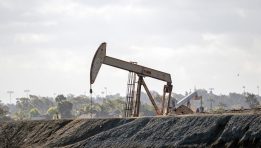
Global oil markets are navigating a renewed wave of geopolitical uncertainty as crude prices register their largest monthly gain in

- Ronny Mor
- •
- 7 Min Read
- •
- ago 2 days
SKN | Chevron CEO Warns Oil Markets May Be Underestimating Future Supply Risks
Global energy markets are navigating a period of heightened uncertainty as oil prices face pressure from changing geopolitical dynamics,
- ago 2 days
- •
- 7 Min Read

Global energy markets are navigating a period of heightened uncertainty as oil prices face pressure from changing geopolitical dynamics,


