


- Lior mor
- •
- 8 Min Read
- •
- 14 hours ago
Key Points
- The United States and Iran have reportedly agreed in principle to extend a 60-day truce, pending final approval.
- Markets are pricing a temporary reduction in geopolitical risk premiums across energy and defense-linked assets.
- Investors remain cautious as structural tensions persist despite short-term diplomatic stabilization.
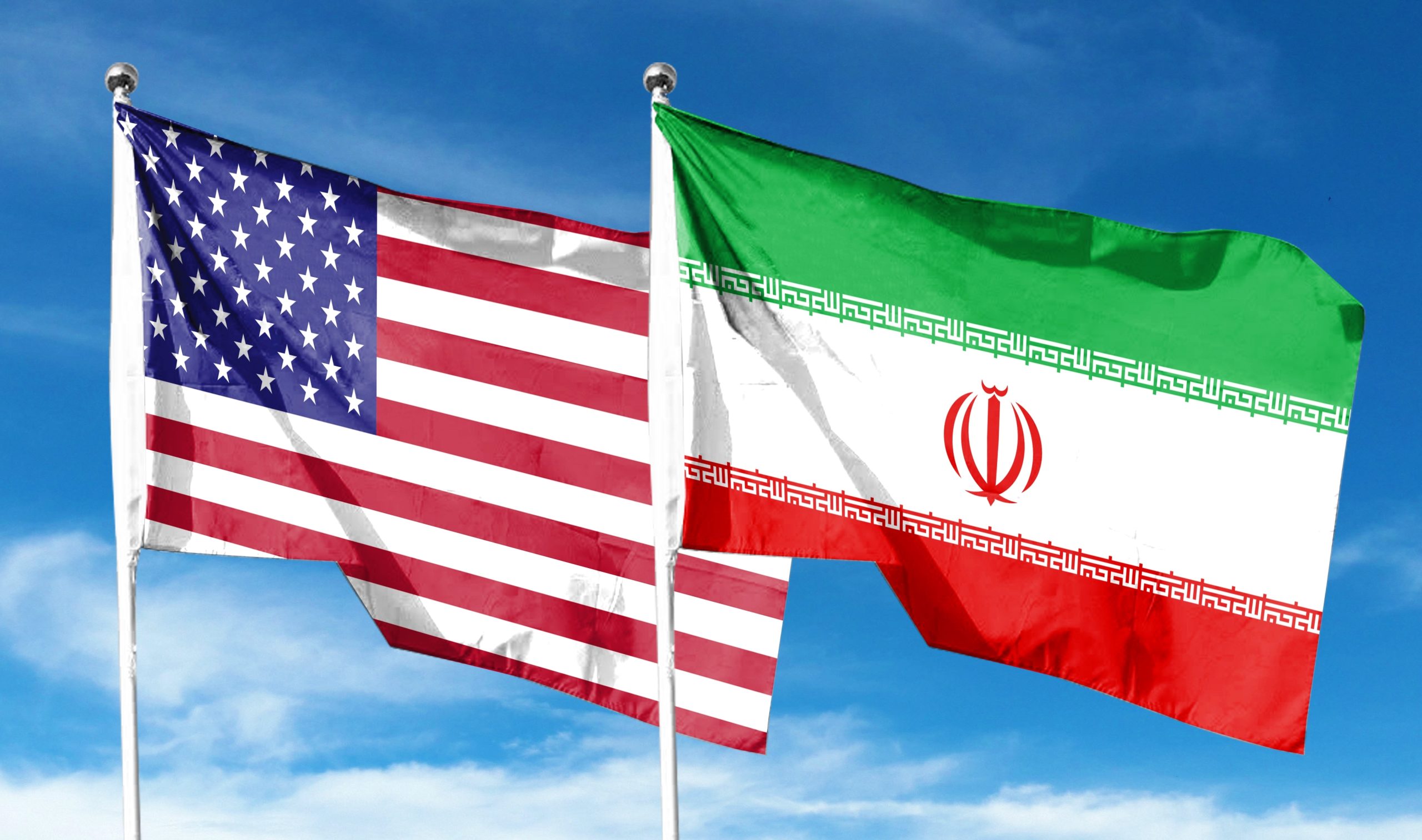
Global markets are responding to reports that the United States and Iran have reached an agreement to renew a 60-day truce, subject to final approval from former US President Donald Trump. The development marks a potential short-term easing of geopolitical tensions in the Middle East, a region that remains central to global energy flows and risk sentiment. For investors in Israel and internationally, the move introduces a temporary repricing of geopolitical risk across oil, currency, and equity markets.
Temporary De-escalation in a Structurally Tense Environment
The reported truce renewal reflects a tactical de-escalation rather than a comprehensive resolution of long-standing geopolitical tensions between Washington and Tehran. While details remain limited and not independently confirmed through official bilateral statements, the framework suggests both sides are seeking to avoid immediate escalation following a period of heightened regional instability.
Markets typically treat such arrangements as risk-suppressing catalysts in the short term. However, historical precedent indicates that temporary agreements in the US–Iran relationship have often been fragile, with underlying disputes over sanctions, nuclear policy, and regional influence remaining unresolved.
For global investors, the significance lies less in the diplomatic language and more in the implied reduction of near-term tail-risk scenarios that could disrupt energy infrastructure or maritime routes in the Gulf region.
Energy Markets React to Reduced Risk Premium Expectations
Oil markets have been particularly sensitive to developments involving US–Iran relations, given Iran’s strategic position in global crude supply chains and its proximity to key shipping corridors such as the Strait of Hormuz. Even the perception of reduced escalation risk tends to ease short-term geopolitical risk premiums embedded in crude pricing.
In recent trading cycles, oil prices have demonstrated a strong correlation with geopolitical headlines, often reacting more sharply to political signaling than to physical supply changes. The reported truce extension may therefore contribute to softer volatility expectations in energy derivatives markets, at least in the near term.
At the same time, analysts caution that structural supply-side constraints and broader OPEC+ policy dynamics continue to play a dominant role in medium-term oil pricing. As a result, any price moderation driven by geopolitical relief may be limited unless supported by fundamental supply and demand shifts.
Broader Market Implications Across Risk Assets
Beyond energy markets, geopolitical stabilization typically supports risk appetite in global equities and emerging market assets. A reduction in perceived conflict probability in the Middle East can also ease pressure on shipping costs, insurance premiums, and certain inflation-sensitive sectors.
Currency markets may also adjust, with safe-haven flows into assets such as the US dollar and gold potentially moderating if risk sentiment improves. However, the scale of any reaction is likely to depend on confirmation of the agreement and the durability of the truce framework.
For Israeli institutional investors, geopolitical developments of this nature carry added relevance given regional proximity and exposure to energy-linked macro dynamics. Portfolio positioning in such environments often reflects a balance between regional risk awareness and global diversification strategies.
Outlook: Fragile Stability and Market Sensitivity to Headlines
Looking ahead, market participants are expected to closely monitor whether the reported truce receives formal approval and how it is implemented in practice. Any signs of breakdown or delay in confirmation could quickly reverse current risk sentiment adjustments.
Key risks include renewed diplomatic friction, lack of enforcement clarity, and potential escalation through proxy conflicts in the region. On the other hand, sustained adherence to the truce could provide a temporary window of stability for energy markets and risk assets.
For global investors, the development reinforces a familiar pattern: geopolitical risk in the Middle East remains a recurring driver of short-term volatility, while long-term market direction continues to be shaped by macroeconomic fundamentals and structural supply dynamics.
Comparison, examination, and analysis between investment houses
Leave your details, and an expert from our team will get back to you as soon as possible
* This article, in whole or in part, does not contain any promise of investment returns, nor does it constitute professional advice to make investments in any particular field.
To read more about the full disclaimer, click here
- Ronny Mor
- •
- 8 Min Read
- •
- ago 2 days
SKN | Could Panama’s Tougher Corporate Rules Reshape Multinational Investment Flows in Latin America?
Panama has introduced new legislation imposing tighter compliance and operational standards on multinational companies, signaling a significant shift in the
- ago 2 days
- •
- 8 Min Read

Panama has introduced new legislation imposing tighter compliance and operational standards on multinational companies, signaling a significant shift in the

- Arik Arkadi Sluzki
- •
- 8 Min Read
- •
- ago 2 days
SKN | Russia Expands Central Bank Security Powers With New Anti-Drone Law
Russia has approved new legislation granting the country’s central bank expanded authority to respond to drone-related threats targeting financial
- ago 2 days
- •
- 8 Min Read

Russia has approved new legislation granting the country’s central bank expanded authority to respond to drone-related threats targeting financial

- omer bar
- •
- 8 Min Read
- •
- ago 3 days
SKN | Could New US Tariff Plans on USMCA Partners Reignite North American Trade Tensions?
The United States is reportedly evaluating new tariff measures involving countries covered under the United States-Mexico-Canada Agreement (USMCA), signaling renewed
- ago 3 days
- •
- 8 Min Read

The United States is reportedly evaluating new tariff measures involving countries covered under the United States-Mexico-Canada Agreement (USMCA), signaling renewed

- Lior mor
- •
- 7 Min Read
- •
- ago 5 days
SKN | Could the End of Iran Conflict Open the Door for Fed Rate Cuts? Hassett Signals Macro Shift
US economic strategist Kevin Hassett indicated that an end to the Iran conflict could reduce inflationary pressures, potentially creating room
- ago 5 days
- •
- 7 Min Read

US economic strategist Kevin Hassett indicated that an end to the Iran conflict could reduce inflationary pressures, potentially creating room


