


- article@skn.co.il
- •
- 6 Min Read
- •
- 7 hours ago
Key Points
- Joint state attorney investigations into sports entertainment allocation frameworks alter primary distribution compliance mandates for international organizers.
- Antitrust regulatory enforcement shifts corporate behavior from exclusive venue access agreements to open market transparency protocols.
- Increased judicial scrutiny over secondary market access fees expands investor exposure to structural litigation risk across entertainment equities.

Antitrust Investigations and Sovereign Compliance
The formal launch of a coordinated antitrust investigation by New York and New Jersey authorities introduces severe regulatory headwinds for international sports entertainment syndicates. This joint enforcement action specifically targets potential consumer protection violations within the multi-phase FIFA World Cup ticketing process. Regulatory bodies are examining whether current distribution mechanisms restrict fair market access and artificially inflate secondary asset valuations. Consequently, corporate compliance officers are reviewing third-party vendor relationships ahead of upcoming global tournament cycles.
Entertainment Asset Compliance and Allocation Metrics
The implementation of state-level regulatory probes directly challenges the traditional high-margin monetization models utilized by international sports bodies. Event organizers rely on complex pre-allocation structures, often reserving a significant percentage of stadium capacity for corporate hospitality partners and institutional sponsors. Industry benchmarks indicate that standard primary ticket allocations generally preserve 25% to 30% of high-value seating for commercial affiliates. Forcing a structural reallocation toward public box offices under judicial pressure threatens to compress projected local ancillary revenues by millions of dollars.
Strategic Divergence in Sports Franchise Capital
The shift toward strict regulatory oversight exposes a deep operational divergence between dominant sports entertainment conglomerates and localized venue operators. Multinational entities possess the legal infrastructure and capital reserves required to sustain protracted antitrust litigation without disrupting core operations. Conversely, regional secondary market brokers and regional stadium operators lack the liquidity to manage extended compliance audits. According to industry compliance data, adapting distribution software to meet new transparency mandates requires unexpected capital expenditures equal to 3% to 5% of annual venue revenue.
Operational Key Performance Indicators and Distribution Yields
The introduction of judicial barriers disrupts synchronized digital distribution metrics across primary ticketing platforms. Consumer verification processing times are projected to double as regulators mandate strict audits of automated anti-bot purchasing systems. Primary distribution platforms face a reduction in transaction processing velocity, lowering overall daily marketplace throughput rates by an estimated 10% to 15%. To mitigate these operational friction points, platforms must invest in decentralized database upgrades, converting free cash flow into defensive technological compliance.
The Next Phase of Entertainment Compliance
The primary structural risk resides in the potential expansion of the antitrust probe to include federal regulatory bodies. Institutional asset managers must monitor whether subsequent legal filings demand the forced unbundling of primary and secondary market distribution platforms. Operational stress will likely manifest first within mid-tier entertainment technology providers and secondary ticketing marketplaces. Ultimately, corporate management must choose between accepting lower corporate allocation yields or facing prolonged legal challenges from state authorities.
Comparison, examination, and analysis between investment houses
Leave your details, and an expert from our team will get back to you as soon as possible
* This article, in whole or in part, does not contain any promise of investment returns, nor does it constitute professional advice to make investments in any particular field.
To read more about the full disclaimer, click here
- orshu
- •
- 7 Min Read
- •
- ago 5 minutes
SKN | Global Markets Wrap: May 27, 2026 Performance Review and Outlook for May 28, 2026 as Equities Trade Mixed Amid Holiday-Thinned Liquidity Across Global Markets
Global financial markets ended May 27, 2026, with a mixed tone as investors navigated uneven regional performance and significantly reduced
- ago 5 minutes
- •
- 7 Min Read
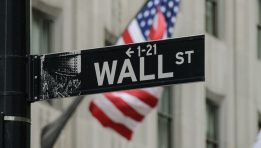
Global financial markets ended May 27, 2026, with a mixed tone as investors navigated uneven regional performance and significantly reduced

- omer bar
- •
- 7 Min Read
- •
- ago 34 minutes
SKN | Will South Korea’s Central Bank Shift Stance After Holding Rates Steady?
South Korea’s central bank opted to keep its benchmark interest rate unchanged, signaling a continued preference for policy stability amid
- ago 34 minutes
- •
- 7 Min Read

South Korea’s central bank opted to keep its benchmark interest rate unchanged, signaling a continued preference for policy stability amid

- Lior mor
- •
- 7 Min Read
- •
- ago 44 minutes
SKN | Are Asian Equities Losing Momentum as Gulf Tensions Prolong Global Risk Aversion?
Asian equity markets paused their recent upward momentum as prolonged geopolitical tensions in the Gulf region weighed on investor sentiment
- ago 44 minutes
- •
- 7 Min Read
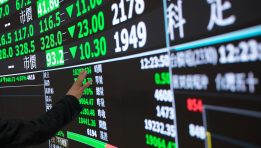
Asian equity markets paused their recent upward momentum as prolonged geopolitical tensions in the Gulf region weighed on investor sentiment

- sagi habasov
- •
- 11 Min Read
- •
- ago 2 hours
SKN | Asian Markets Trade Cautiously on May 28 as China and Australia Weaken While Korea Holds Modest Gains
Asian equity markets opened Thursday, May 28 with cautious and mixed performance across the region as investors balanced selective buying
- ago 2 hours
- •
- 11 Min Read

Asian equity markets opened Thursday, May 28 with cautious and mixed performance across the region as investors balanced selective buying


