


- orshu
- •
- 8 Min Read
- •
- 5 seconds ago
Key Points
- Major European indexes closed higher on May 18, led by strong gains in Germany’s DAX and the UK’s FTSE 100.
- Investor sentiment improved across regional markets as industrial, financial, and multinational stocks advanced.
- The British pound and euro strengthened against major currencies, reflecting renewed confidence in European financial markets.
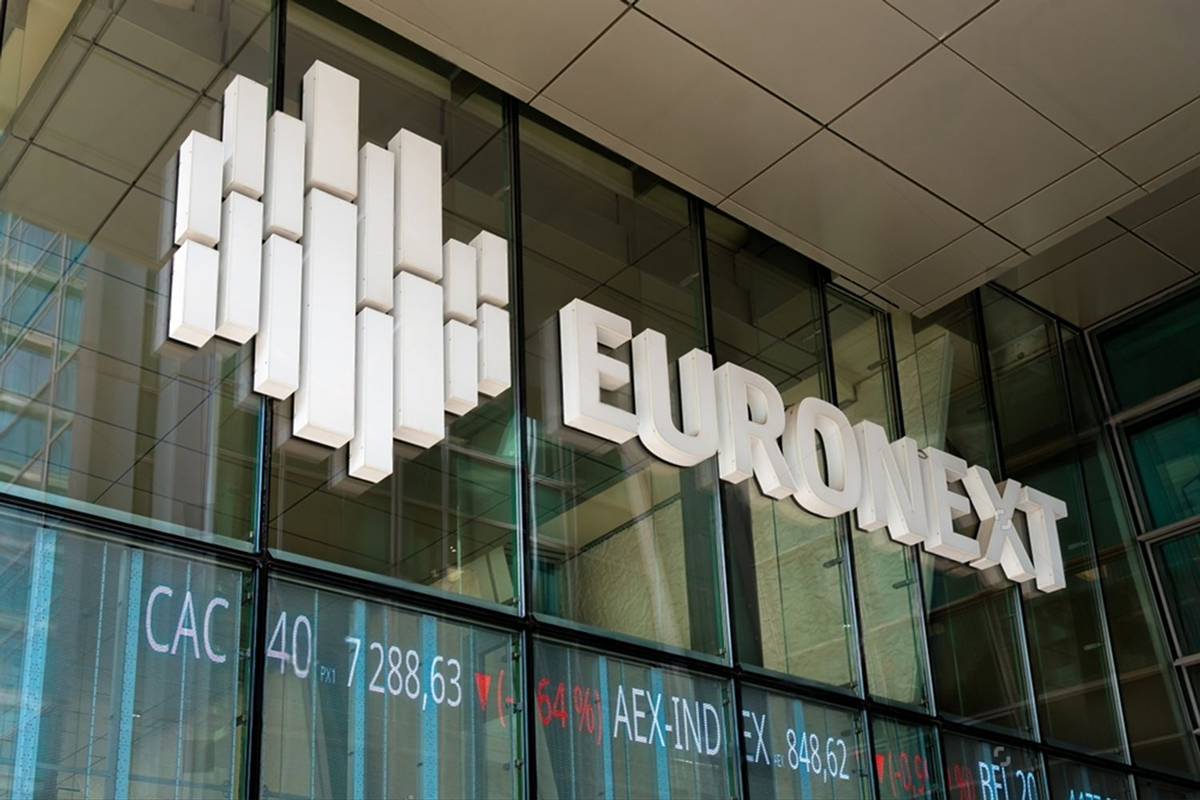
European markets ended the May 18 trading session in positive territory as investors returned to risk assets amid improving sentiment across the region’s major equity benchmarks. Strong performances in Germany and the United Kingdom helped support broader regional gains despite lingering concerns surrounding inflation, monetary policy, and global economic growth.
The session reflected cautious optimism among investors as European equities continued benefiting from resilient corporate earnings, stabilizing economic expectations, and improving global market momentum. Currency strength across the euro and British pound also reinforced confidence in regional financial markets.
German and UK Markets Lead European Gains
Germany’s DAX index delivered one of the strongest performances among major European benchmarks, rising 1.49% to close at 24,307.92. The rally reflected strength across industrial, manufacturing, and export-oriented companies, sectors that remain highly influential within the German economy.
Investors appeared encouraged by signs of improving economic stability and resilient corporate performance despite ongoing uncertainty surrounding global trade and interest-rate expectations. German equities have remained sensitive to international economic conditions due to the country’s heavy reliance on exports and industrial production.
The United Kingdom’s FTSE 100 climbed 1.26% to 10,323.75, supported by gains in energy, financial, and multinational companies. The FTSE benefited from improved risk appetite and stronger investor positioning toward defensive dividend-paying sectors.
British markets also received support from currency strength, with the British Pound Index advancing 0.77% to 134.29. Currency appreciation often reflects investor confidence in economic conditions and expectations surrounding monetary policy stability.
The strong performances in Germany and the United Kingdom helped lift broader European sentiment and supported gains across regional indexes.
Regional Equity Benchmarks Reflect Improving Sentiment
The MSCI Europe Index rose 0.73% to 2,699.96, signaling broad-based strength across European equities. Investors rotated back into cyclical sectors during the session as concerns surrounding short-term market volatility eased.
France’s CAC 40 advanced 0.44% to 7,987.49, while the EURO STOXX 50 gained 0.36% to close at 5,849.00. These gains reflected improving confidence in some of Europe’s largest publicly traded companies, particularly within banking, luxury goods, and industrial sectors.
Meanwhile, the Euro Index climbed 0.24% to 116.53, indicating renewed strength in the common currency. Investors continue monitoring inflation trends and policy expectations from the European Central Bank, which remain key drivers of currency and equity market sentiment.
The only major regional benchmark to close slightly lower was the Euronext 100 Index, which fell 0.04% to 1,798.04. The modest decline suggested selective profit-taking activity despite broader market strength across Europe.
European equities have recently benefited from improving investor appetite for international stocks as market participants diversify beyond heavily concentrated U.S. technology positions.
Investors Monitor Inflation and Central Bank Policy Outlook
Despite the positive market performance, investors remain highly focused on inflation trends and monetary-policy expectations across Europe. The outlook for interest rates continues influencing valuations, borrowing conditions, and broader market sentiment throughout the region.
European central banks are attempting to balance inflation control with economic stability as growth conditions remain uneven across several economies. While inflation has moderated from previous peaks, policymakers continue signaling caution regarding premature monetary easing.
Financial markets are increasingly sensitive to economic data releases, including inflation reports, manufacturing activity, labor-market conditions, and consumer spending trends. Positive economic surprises could continue supporting equities, while weaker data may quickly revive concerns surrounding regional growth momentum.
Investors are also monitoring geopolitical developments, global trade conditions, and energy-market volatility, all of which remain important variables for European economies and corporate profitability.
Looking ahead, market participants will continue watching European Central Bank commentary, inflation data, and corporate earnings reports for additional direction. Continued stability in economic indicators and stronger investor confidence could support further gains across European equities, particularly in industrial and financial sectors. However, risks tied to persistent inflation, geopolitical uncertainty, and slowing global growth may continue creating periods of volatility across regional markets in the coming weeks.
Comparison, examination, and analysis between investment houses
Leave your details, and an expert from our team will get back to you as soon as possible
* This article, in whole or in part, does not contain any promise of investment returns, nor does it constitute professional advice to make investments in any particular field.
To read more about the full disclaimer, click here
- orshu
- •
- 8 Min Read
- •
- ago 39 minutes
SKN | Tel Aviv Stocks Extend Declines on May 18, 2026 as Investor Sentiment Remains Under Pressure
Tel Aviv markets closed lower again on Monday, May 18, 2026, extending the negative momentum that intensified late last week.
- ago 39 minutes
- •
- 8 Min Read

Tel Aviv markets closed lower again on Monday, May 18, 2026, extending the negative momentum that intensified late last week.
- orshu
- •
- 8 Min Read
- •
- ago 3 hours
SKN | U.S. Markets Trade Mixed as Investors Weigh Volatility, Dollar Weakness, and Growth Outlook
U.S. financial markets traded mixed on May 18 as investors balanced concerns surrounding market valuations, economic growth, and interest-rate
- ago 3 hours
- •
- 8 Min Read

U.S. financial markets traded mixed on May 18 as investors balanced concerns surrounding market valuations, economic growth, and interest-rate

- Lior mor
- •
- 7 Min Read
- •
- ago 6 hours
SKN | Why Are Dow Futures Falling as Oil Prices Surge and Nvidia Earnings Loom?
U.S. stock futures moved sharply lower on Monday as investors returned from the weekend facing a renewed mix of geopolitical
- ago 6 hours
- •
- 7 Min Read

U.S. stock futures moved sharply lower on Monday as investors returned from the weekend facing a renewed mix of geopolitical
- orshu
- •
- 5 Min Read
- •
- ago 7 hours
SKN | Asia Markets Close Mostly Lower on May 18, 2026 as Australia and Hong Kong Lead Regional Declines
Australia’s S&P/ASX 200 fell 1.45% to 8,505.30, making it the weakest-performing major market in the region. The decline reflects continued
- ago 7 hours
- •
- 5 Min Read

Australia’s S&P/ASX 200 fell 1.45% to 8,505.30, making it the weakest-performing major market in the region. The decline reflects continued

