


- orshu
- •
- 8 Min Read
- •
- 10 seconds ago
Key Points
- The Tel Aviv-125 index fell 1.49 percent as Israeli equities extended last week’s broad market weakness.
- Large-cap and sector-balanced indices remained under pressure while mid-cap losses moderated slightly.
- Bond markets stayed resilient, reflecting continued defensive positioning by investors.

Tel Aviv markets closed lower again on Monday, May 18, 2026, extending the negative momentum that intensified late last week. Israeli equities remained under pressure as investors continued reducing exposure to risk assets, particularly within large-cap and diversified sector holdings.
Although the scale of the declines moderated compared with Friday’s sharp selloff, overall market sentiment remained cautious. At the same time, the resilience of Israel’s bond market continued to provide some stability, signaling that investors are rotating defensively rather than reacting with widespread financial panic.
Large-Cap Shares Continue Leading Market Weakness
The Tel Aviv-35 index declined 1.62 percent to close at 4,313.17 points, extending losses after Friday’s steep decline. Market breadth remained negative, with twenty-five declining stocks against only ten gainers, highlighting persistent selling pressure among Israel’s largest publicly traded companies.
The broader Tel Aviv-125 index dropped 1.49 percent to 4,254.33 points. Seventy-nine stocks declined while only forty-five advanced, confirming that weakness remained widespread across the market.
Stock market turnover totaled approximately 4.62 billion shekels, reflecting active trading activity and continued institutional repositioning. Investors appeared focused on reducing short-term risk exposure while waiting for clearer signals regarding market stability.
The continued weakness in large-cap shares suggests investors remain cautious despite the sharp pullback already experienced during recent sessions.
Mid-Cap Stocks Show Relative Stabilization but Sector Pressure Persists
The Tel Aviv-90 index fell 0.95 percent to 4,035.89 points, underperforming less severely than the broader market. While losses remained significant, the reduced pace of declines compared with Friday’s session may indicate early signs of stabilization within mid-cap shares.
The combined Tel Aviv 90 and banking index declined only 0.36 percent, outperforming other major equity benchmarks. This relatively smaller decline suggests that banking-related shares may be beginning to stabilize after suffering heavy losses in previous sessions.
However, the broader Tel Aviv Sector-Balance index dropped 1.17 percent, showing that weakness remained spread across multiple industries. Investors continued selectively reducing exposure to cyclical and growth-sensitive sectors.
The Tel Aviv-125 value index fell a more moderate 0.31 percent, indicating that value-oriented stocks performed relatively better than growth shares during Monday’s trading session. This may reflect increasing investor preference for defensive positioning amid ongoing market volatility.
Bond Market Stability Continues Supporting Financial Confidence
One of the market’s most constructive signals remained the stability in Israel’s fixed-income sector. The general All-Bond index edged slightly higher by 0.02 percent despite the continued weakness in equities.
Short-term bonds advanced 0.03 percent, supported by strong positive breadth with seventy-three advancing securities compared to twenty-nine decliners. The continued demand for short-duration instruments highlights ongoing investor preference for lower-risk assets.
Corporate bonds also remained stable. The Tel Bond-Linked A index finished unchanged, while the Tel Bond 60 index rose 0.05 percent.
Bond market turnover reached approximately 5.62 billion shekels, exceeding stock market turnover and reinforcing the ongoing rotation toward defensive assets. The resilience in fixed-income markets continues to suggest that investors view current volatility as primarily equity-related rather than reflective of broader financial instability.
Forward-Looking Outlook: Investors Watch for Signs of Market Stabilization
Following another weak trading session, investors will continue closely monitoring whether Israeli equities can establish a near-term bottom after the recent wave of selling pressure. The Tel Aviv-125 index now faces growing technical pressure as it moves closer toward the 4,250 support range.
If selling pressure continues, further weakness in large-cap stocks could intensify market volatility. However, the moderation in mid-cap declines and relative stability in banking shares may indicate that the pace of the selloff is beginning to slow.
Market breadth will remain an important signal in the coming sessions. A stronger recovery in advancing shares would suggest improving investor confidence, while continued dominance by decliners could point to prolonged caution.
Bond market resilience remains one of the strongest supportive factors for Israeli financial markets. Continued stability in fixed-income trading may help reduce the risk of broader market stress and encourage selective bargain buying in oversold sectors.
Potential opportunities may emerge if institutional investors begin rebuilding positions in large-cap and value-oriented companies after recent declines. However, risks tied to global market uncertainty, cautious sentiment, and ongoing sector rotation are likely to keep volatility elevated in the near term.
Comparison, examination, and analysis between investment houses
Leave your details, and an expert from our team will get back to you as soon as possible
* This article, in whole or in part, does not contain any promise of investment returns, nor does it constitute professional advice to make investments in any particular field.
To read more about the full disclaimer, click here
- orshu
- •
- 8 Min Read
- •
- ago 2 hours
SKN | U.S. Markets Trade Mixed as Investors Weigh Volatility, Dollar Weakness, and Growth Outlook
U.S. financial markets traded mixed on May 18 as investors balanced concerns surrounding market valuations, economic growth, and interest-rate
- ago 2 hours
- •
- 8 Min Read
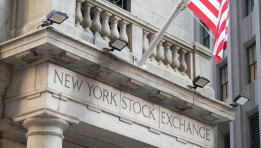
U.S. financial markets traded mixed on May 18 as investors balanced concerns surrounding market valuations, economic growth, and interest-rate
- orshu
- •
- 5 Min Read
- •
- ago 6 hours
SKN | Asia Markets Close Mostly Lower on May 18, 2026 as Australia and Hong Kong Lead Regional Declines
Australia’s S&P/ASX 200 fell 1.45% to 8,505.30, making it the weakest-performing major market in the region. The decline reflects continued
- ago 6 hours
- •
- 5 Min Read

Australia’s S&P/ASX 200 fell 1.45% to 8,505.30, making it the weakest-performing major market in the region. The decline reflects continued
- orshu
- •
- 4 Min Read
- •
- ago 8 hours
SKN | European Markets Slide Broadly as Risk-Off Sentiment Returns Across Region
European markets opened the week under pressure on Monday, May 18, 2026, as investors moved back into a risk-off stance.
- ago 8 hours
- •
- 4 Min Read

European markets opened the week under pressure on Monday, May 18, 2026, as investors moved back into a risk-off stance.

- omer bar
- •
- 7 Min Read
- •
- ago 1 day
SKN | Can Nvidia Earnings Keep Wall Street’s Rally Alive as Oil Prices and Treasury Yields Surge?
The U.S. stock market is entering a critical week as investors balance record-high equity valuations against mounting macroeconomic pressures tied
- ago 1 day
- •
- 7 Min Read

The U.S. stock market is entering a critical week as investors balance record-high equity valuations against mounting macroeconomic pressures tied

