


- sagi habasov
- •
- 8 Min Read
- •
- 3 minutes ago
Key Points
- China’s reported $3 billion withdrawal from U.S. clean technology investments is raising concerns about geopolitical fragmentation across strategic industries.
- Investors are increasingly reassessing exposure to renewable energy, semiconductor, and critical infrastructure sectors amid growing regulatory and political tensions.
- The shift could accelerate supply chain diversification and domestic investment strategies across the United States, Europe, and allied technology markets.
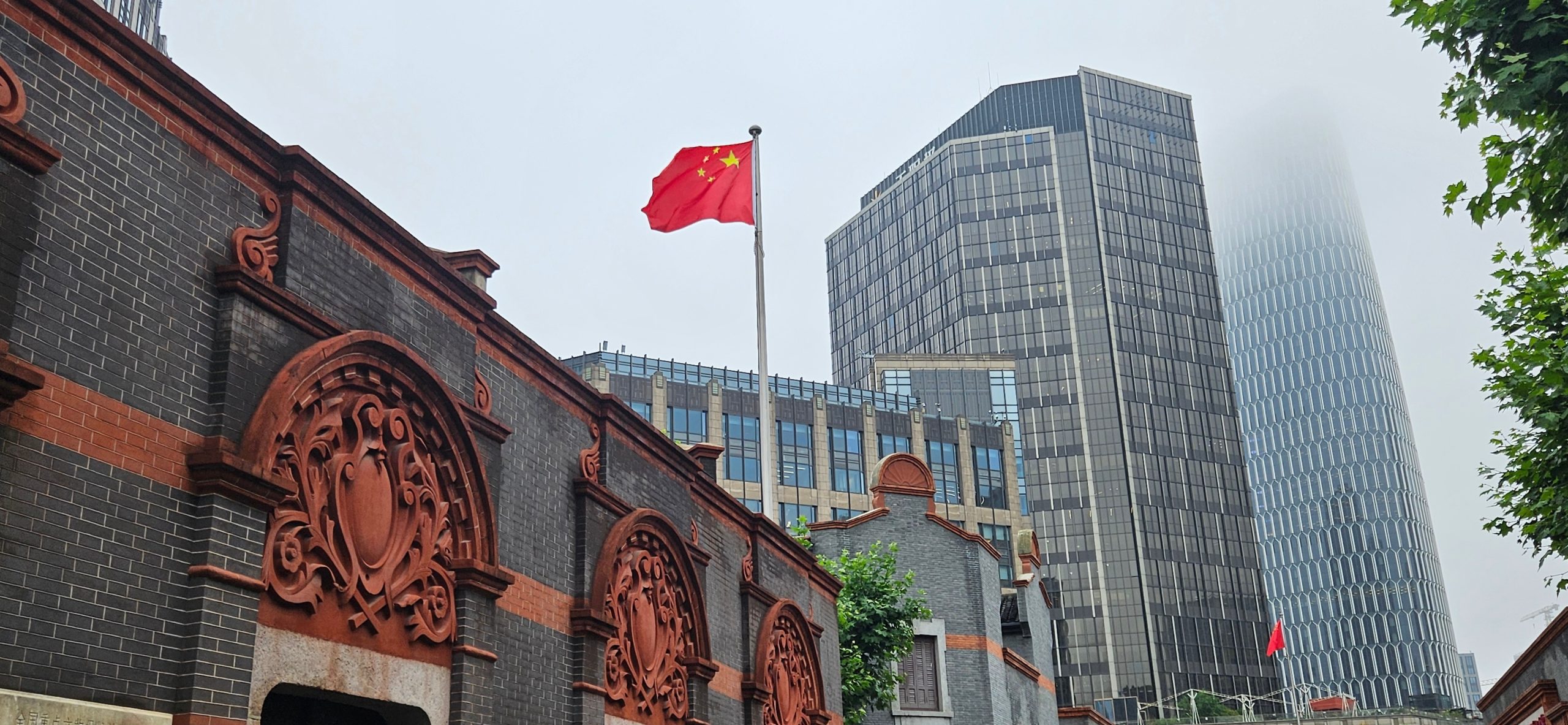
China’s reported retreat from approximately $3 billion in U.S. clean technology-related investments is emerging as a broader warning sign for global investors navigating increasingly politicized capital markets. The move reflects deepening geopolitical tensions between Washington and Beijing as both countries intensify efforts to secure strategic control over advanced technologies, energy infrastructure, and critical supply chains.
The development comes during a period of accelerating global investment in renewable energy, electric vehicles, battery manufacturing, semiconductors, and industrial decarbonization projects. However, geopolitical risk has become an increasingly influential factor shaping where capital flows and how governments regulate foreign participation in sensitive sectors.
Geopolitical Tensions Reshape Global Clean Technology Investment
The reported withdrawal highlights how clean technology markets are no longer driven solely by economics and climate policy. Governments globally are increasingly viewing renewable energy infrastructure, advanced manufacturing, and battery supply chains as matters of national security and industrial competitiveness.
Over the past several years, the United States has implemented tighter restrictions on Chinese involvement in strategic industries, including semiconductors, artificial intelligence, telecommunications infrastructure, and critical minerals. Heightened regulatory scrutiny has complicated cross-border investment activity between the world’s two largest economies.
For investors, the situation underscores growing concerns that geopolitical fragmentation may permanently reshape global capital allocation trends. Companies operating within sectors tied to energy transition infrastructure are increasingly exposed to export controls, investment restrictions, and shifting trade policies.
Clean technology remains one of the fastest-growing investment themes globally, but rising political tensions may create additional uncertainty surrounding international partnerships, manufacturing expansion, and long-term project financing.
Supply Chain Security Becomes a Strategic Priority
The clean energy sector depends heavily on globally integrated supply chains involving batteries, rare earth minerals, solar equipment, industrial metals, and semiconductor technologies. China currently maintains dominant market positions across several of these strategic industries, particularly in battery materials processing and solar panel manufacturing.
As geopolitical tensions intensify, Western governments are accelerating efforts to localize production capacity and reduce dependence on foreign-controlled supply chains. The United States and Europe have both introduced major industrial policy initiatives aimed at boosting domestic clean energy manufacturing and critical mineral sourcing.
Investors are increasingly evaluating whether companies possess resilient supply chains capable of operating effectively in a more fragmented global trade environment. Firms with diversified sourcing strategies and regional manufacturing flexibility may become more attractive in markets shaped by geopolitical uncertainty.
The shift may also increase costs across the clean energy industry. Building duplicate manufacturing infrastructure and regional supply chains could reduce efficiency while requiring substantial capital investment over the coming decade.
Broader Market Implications Extend Beyond Clean Energy
The implications of China’s reported investment retreat extend well beyond renewable energy markets. The broader trend reflects a growing separation between major economic blocs across technology, finance, industrial production, and strategic infrastructure sectors.
For financial markets, rising geopolitical fragmentation may increase volatility across sectors tied to international trade, advanced technology, and industrial manufacturing. Investors may increasingly prioritize political stability, regulatory transparency, and supply chain security alongside traditional financial metrics.
Israeli technology and industrial markets could also be indirectly affected by these developments. Israel maintains strong exposure to cybersecurity, semiconductor engineering, renewable energy technologies, and advanced manufacturing systems — sectors increasingly influenced by geopolitical competition between major global powers.
At the same time, opportunities may emerge for countries and companies capable of serving as alternative innovation and manufacturing hubs outside heavily contested geopolitical regions. Governments globally are likely to continue increasing investment incentives aimed at attracting strategic industries and reducing external dependencies.
Looking ahead, investors will closely monitor additional regulatory developments, trade policy changes, and cross-border investment restrictions affecting clean technology and strategic infrastructure markets. Continued geopolitical decoupling between the United States and China could accelerate regionalization across supply chains and capital flows. However, the long-term demand outlook for renewable energy, electrification, and industrial modernization remains strong, suggesting that strategic adaptation rather than reduced investment may ultimately define the next phase of global clean technology growth.
Comparison, examination, and analysis between investment houses
Leave your details, and an expert from our team will get back to you as soon as possible
* This article, in whole or in part, does not contain any promise of investment returns, nor does it constitute professional advice to make investments in any particular field.
To read more about the full disclaimer, click here
- sagi habasov
- •
- 8 Min Read
- •
- ago 3 hours
SKN | ECB Warns Banks to Prepare Rapidly for AI-Assisted Cyberattacks
The European Central Bank is increasing pressure on financial institutions to strengthen cybersecurity protections as artificial intelligence rapidly reshapes digital
- ago 3 hours
- •
- 8 Min Read

The European Central Bank is increasing pressure on financial institutions to strengthen cybersecurity protections as artificial intelligence rapidly reshapes digital

- omer bar
- •
- 7 Min Read
- •
- ago 11 hours
SKN | Can Nvidia’s China Strategy Gain Ground as Jensen Huang Joins Trump-Linked Visit?
The reported participation of Nvidia CEO Jensen Huang in a US political visit tied to China underscores the growing overlap
- ago 11 hours
- •
- 7 Min Read
The reported participation of Nvidia CEO Jensen Huang in a US political visit tied to China underscores the growing overlap
- sagi habasov
- •
- 8 Min Read
- •
- ago 12 hours
SKN | Can Samsung Electronics Stabilize Labor Relations After Pay Negotiation Breakdown?
Samsung Electronics has expressed regret over the breakdown in pay negotiations with its labor union, while emphasizing that discussions will
- ago 12 hours
- •
- 8 Min Read
Samsung Electronics has expressed regret over the breakdown in pay negotiations with its labor union, while emphasizing that discussions will

- Ronny Mor
- •
- 7 Min Read
- •
- ago 12 hours
SKN | Why Did the Trump Organization Withdraw From Its First Planned Australian Skyscraper?
The Trump Organization has reportedly dropped plans to develop its first skyscraper in Australia, marking a notable retreat from a
- ago 12 hours
- •
- 7 Min Read

The Trump Organization has reportedly dropped plans to develop its first skyscraper in Australia, marking a notable retreat from a

