


- Ronny Mor
- •
- 7 Min Read
- •
- 11 seconds ago
Key Points
- The Trump Organization has reportedly abandoned plans for its first Australian skyscraper, citing issues with its development partner
- The decision highlights ongoing risks in branded luxury real estate developments and cross-border partnership structures
- The withdrawal adds uncertainty to international high-end property pipelines amid uneven global real estate conditions
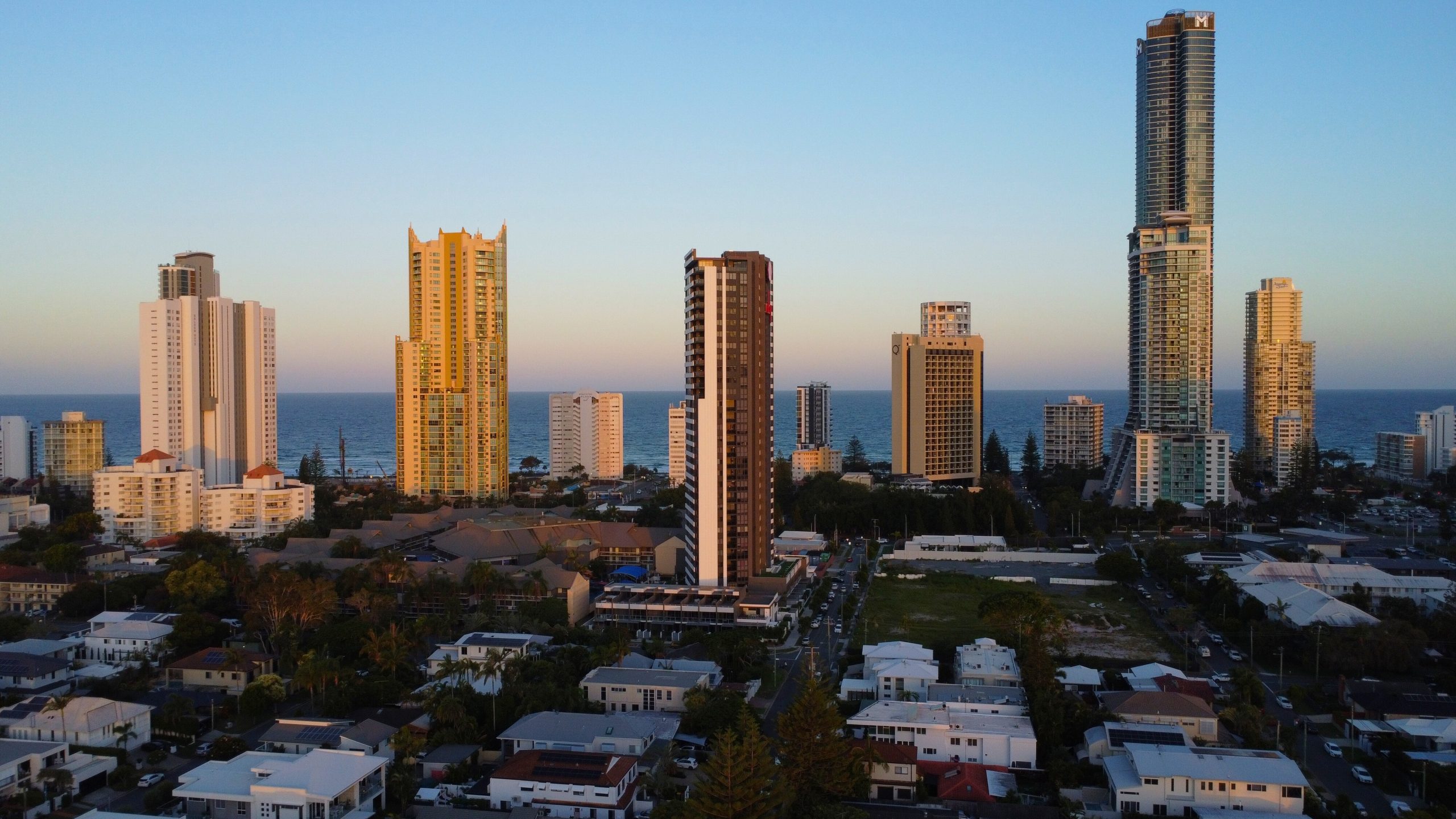
The Trump Organization has reportedly dropped plans to develop its first skyscraper in Australia, marking a notable retreat from a potential flagship international project. The decision, attributed to disputes with a development partner, comes at a time when global luxury real estate markets are navigating uneven demand conditions, higher financing costs, and increased scrutiny of large-scale branded developments. For international investors, including those with exposure to real estate and private development structures, the move underscores how partnership dynamics can materially alter project pipelines even at advanced planning stages.
Project Withdrawal and Partnership Breakdown
According to reports, the planned Australian skyscraper was halted following disagreements with the local development partner involved in the project. While detailed contractual terms have not been fully disclosed, the breakdown appears to have centered on execution responsibilities and strategic alignment between the parties.
Such disputes are not uncommon in large cross-border real estate ventures, where developers often rely on local partners for regulatory navigation, land acquisition, and construction execution. When alignment weakens, projects can face delays, restructuring, or full termination. In this case, the withdrawal suggests that unresolved differences outweighed the commercial potential of proceeding.
For global real estate markets, the cancellation highlights the fragility of deal structures that depend heavily on joint venture frameworks, particularly in high-profile branded developments.
Luxury Real Estate Branding and Global Expansion Risks
Branded skyscraper developments linked to global figures or organizations often rely on a combination of marketing value, pre-sales momentum, and long-term positioning in premium urban markets. However, these projects also carry heightened execution risk, especially when expanding into new jurisdictions.
The withdrawal from the Australian project reflects broader challenges facing international luxury development strategies, where rising construction costs, tighter credit conditions, and shifting buyer sentiment have increased sensitivity to delays or disputes. In some markets, developers are also facing slower absorption rates in ultra-luxury segments, which can strain project viability.
For investors tracking global real estate exposure, the case reinforces the importance of assessing not only demand fundamentals but also governance structures behind development partnerships.
Implications for Global Property Development Pipelines
The decision may also signal a more cautious approach to new international expansion projects in the branded real estate segment. While high-profile developments often attract strong initial interest, they remain highly dependent on stable financing environments and coordinated execution across multiple stakeholders.
In global capital markets, real estate development pipelines are increasingly sensitive to interest rate expectations and liquidity conditions. Higher borrowing costs have already slowed activity in several major metropolitan markets, particularly in the luxury residential and mixed-use tower segments.
For Israeli and global investors monitoring international property exposure, the development serves as a reminder that project-level risks can diverge significantly from broader market trends, particularly in branded or partnership-driven developments.
Outlook: Cross-Border Development Risks in Focus
Looking ahead, attention will likely shift to whether the Trump Organization pursues alternative opportunities in other international markets or restructures its approach to overseas development partnerships. Key variables include global financing conditions, demand for ultra-luxury residential space, and the availability of reliable local partners in target markets.
Risks remain tied to continued volatility in global real estate financing, potential reputational effects on future joint ventures, and uneven recovery across premium property segments. On the other hand, sustained demand for landmark developments in select global cities may still support selective re-entry into international projects under revised structures.
Overall, the withdrawal from the Australian skyscraper plan highlights the operational and strategic complexity of global branded real estate expansion in a more constrained financial environment.
Comparison, examination, and analysis between investment houses
Leave your details, and an expert from our team will get back to you as soon as possible
* This article, in whole or in part, does not contain any promise of investment returns, nor does it constitute professional advice to make investments in any particular field.
To read more about the full disclaimer, click here
- Arik Arkadi Sluzki
- •
- 8 Min Read
- •
- ago 2 days
SKN | Iran Responds to US Peace Proposal as Hormuz Shipping Crisis Persists
Iran has officially responded to the latest peace proposal from the United States as diplomatic efforts continue to prevent a
- ago 2 days
- •
- 8 Min Read

Iran has officially responded to the latest peace proposal from the United States as diplomatic efforts continue to prevent a

- Ronny Mor
- •
- 7 Min Read
- •
- ago 5 days
SKN | Will the Latest Ruling on Trump Tariffs Reshape Global Trade Strategy for Businesses?
A recent ruling tied to tariffs introduced during Donald Trump’s administration has revived uncertainty around global trade policy, raising questions
- ago 5 days
- •
- 7 Min Read

A recent ruling tied to tariffs introduced during Donald Trump’s administration has revived uncertainty around global trade policy, raising questions

- omer bar
- •
- 7 Min Read
- •
- ago 5 days
SKN | Can US–China Diplomacy Hold Steady as Iran Tensions Add Geopolitical Pressure?
The planned summit between US President Donald Trump and Chinese President Xi Jinping is continuing as scheduled, even as Beijing
- ago 5 days
- •
- 7 Min Read
The planned summit between US President Donald Trump and Chinese President Xi Jinping is continuing as scheduled, even as Beijing

- Lior mor
- •
- 7 Min Read
- •
- ago 5 days
SKN | Can Lula and Trump Reset US–Brazil Trade Relations as Optimism Returns to Markets?
Brazilian President Luiz Inácio Lula da Silva emerged from discussions with President Donald Trump expressing optimism regarding future trade relations
- ago 5 days
- •
- 7 Min Read

Brazilian President Luiz Inácio Lula da Silva emerged from discussions with President Donald Trump expressing optimism regarding future trade relations

