


- Ronny Mor
- •
- 8 Min Read
- •
- 7 seconds ago
Key Points
- Oil prices slip as uncertainty rises over the stability of a fragile Iran ceasefire
- Geopolitical developments, including Trump’s upcoming China trip, add complexity to energy market sentiment
- Traders balance supply risk premium against expectations of stable global demand conditions
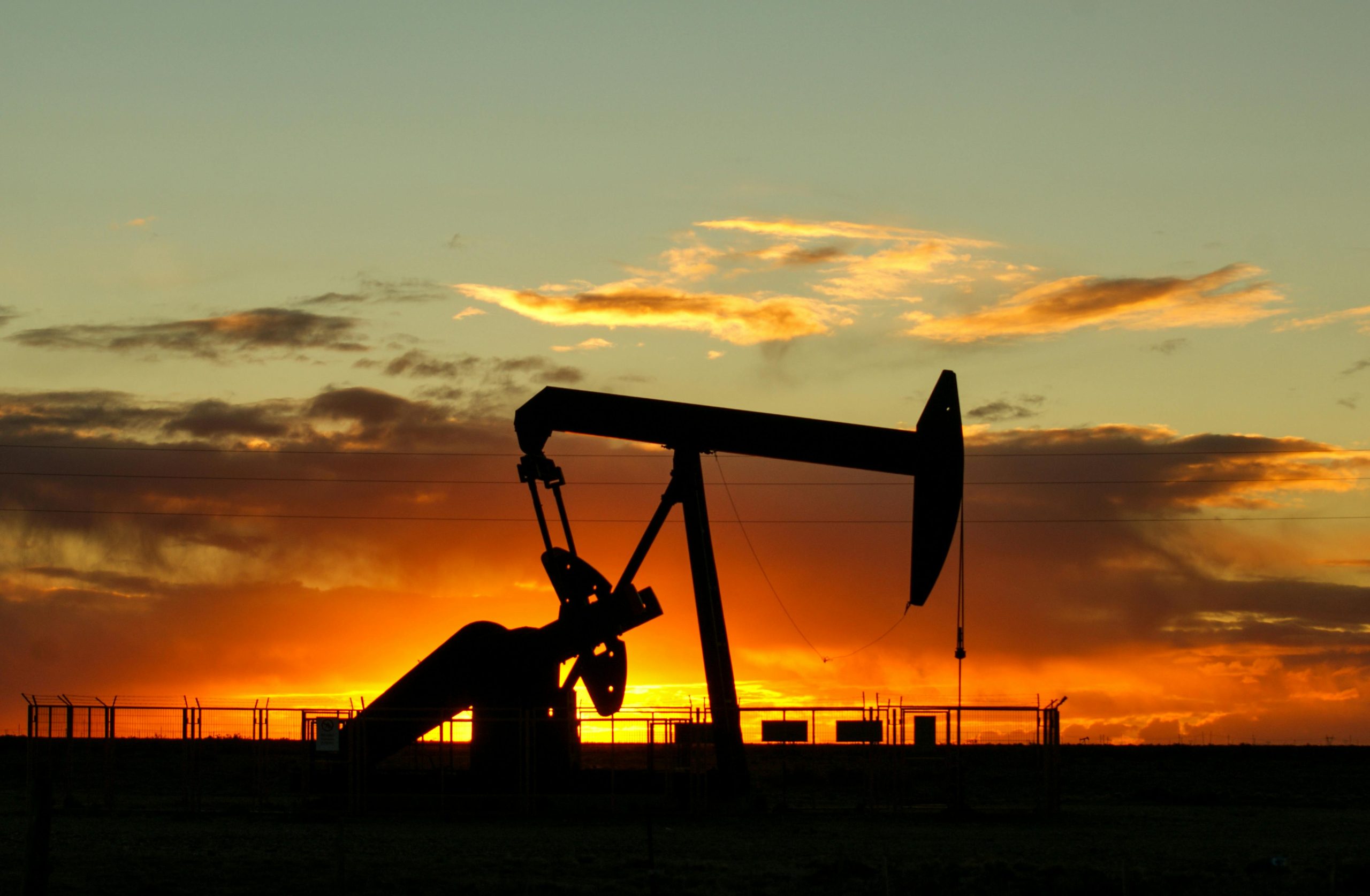
Global oil markets are trading slightly lower as investors reassess geopolitical risk premiums following uncertainty surrounding the Iran ceasefire, while attention also shifts toward former US President Donald Trump’s planned visit to China. The combination of Middle East tensions and major-power diplomacy is keeping energy markets sensitive, even as broader demand indicators remain relatively stable. For global investors, including those in Israel exposed to energy-linked assets, the situation underscores how quickly geopolitical narratives can reshape commodity pricing.
Iran Ceasefire Fragility Weighs on Risk Premiums
Crude oil prices are reacting to reports that the ceasefire involving Iran remains fragile, reducing earlier expectations of a more stable regional outlook. Markets had initially priced in a partial easing of geopolitical risk in the Middle East, but renewed doubts have led to a recalibration of supply disruption premiums embedded in oil benchmarks.
Iran remains a key player in global oil supply dynamics, both directly through exports and indirectly through its influence on regional shipping routes. Any escalation in tensions typically raises concerns about potential disruptions in the Strait of Hormuz, a critical chokepoint for global crude flows. However, the current price movement suggests that traders are not fully pricing in immediate supply shocks, instead maintaining a cautious wait-and-see stance.
This balance between risk escalation and restrained price reaction reflects a broader pattern in oil markets, where geopolitical headlines often trigger short-term volatility without necessarily altering medium-term supply-demand fundamentals.
Trump’s China Visit Adds Demand-Side Uncertainty
Market participants are also watching the expected visit by former US President Donald Trump to China, which adds another layer of macro uncertainty to global energy demand expectations. US-China relations remain a central driver of commodity sentiment, particularly given China’s position as the world’s largest crude importer.
Any signals of renewed trade tensions or policy divergence could weigh on global growth expectations, indirectly affecting oil demand projections. Conversely, diplomatic engagement could support sentiment across industrial commodities by stabilizing expectations for global trade flows.
Energy traders are therefore assessing not only supply-side risks in the Middle East but also potential shifts in global demand dynamics tied to geopolitical developments between the world’s two largest economies.
Oil Markets Balance Supply Risks and Demand Stability
Despite geopolitical uncertainty, broader oil market fundamentals continue to show a relatively balanced picture. Global supply remains supported by steady production from major producers, while demand trends are being anchored by moderate but uneven global economic growth.
OPEC+ policy decisions remain a key structural factor, with production management efforts continuing to act as a stabilizing force in pricing. At the same time, inventory data from major consuming economies has not indicated severe tightening conditions, limiting upward price momentum.
For Israeli and global investors with exposure to energy equities, commodities, and inflation-linked assets, the current environment highlights the importance of tracking both headline-driven volatility and underlying supply-demand equilibrium. Oil remains particularly sensitive to sudden geopolitical shifts, but sustained price direction is still largely determined by broader macroeconomic conditions.
Outlook: Geopolitics to Drive Short-Term Volatility
Looking ahead, oil markets are likely to remain highly reactive to developments in both Middle East diplomacy and US-China relations. Any deterioration in the Iran ceasefire situation could quickly reintroduce a higher geopolitical risk premium, while progress in international dialogue may ease near-term volatility.
Key risks include unexpected escalation in regional tensions, disruptions to key shipping routes, and shifts in global demand expectations driven by trade policy uncertainty. On the other hand, continued production discipline among major exporters and stable demand growth could help anchor prices within a relatively contained range.
Overall, oil markets are entering a phase defined by heightened sensitivity to geopolitical headlines, where sentiment-driven moves may temporarily outweigh underlying fundamentals.
Comparison, examination, and analysis between investment houses
Leave your details, and an expert from our team will get back to you as soon as possible
* This article, in whole or in part, does not contain any promise of investment returns, nor does it constitute professional advice to make investments in any particular field.
To read more about the full disclaimer, click here
- omer bar
- •
- 7 Min Read
- •
- ago 8 hours
SKN | Copper Surges Above $14,000 as AI Demand and Supply Risks Tighten Global Market
Copper Rally Accelerates Toward Record Levels Copper prices continued climbing sharply this week, surpassing $14,000 per ton and approaching the
- ago 8 hours
- •
- 7 Min Read

Copper Rally Accelerates Toward Record Levels Copper prices continued climbing sharply this week, surpassing $14,000 per ton and approaching the

- Lior mor
- •
- 7 Min Read
- •
- ago 10 hours
SKN | Ivory Coast Cocoa Traceability Stalls as EU Anti-Deforestation Rules Near
Traceability Progress Remains Limited Ivory Coast’s cocoa industry is facing growing pressure as new European Union anti-deforestation rules approach implementation
- ago 10 hours
- •
- 7 Min Read
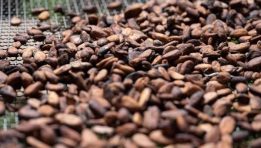
Traceability Progress Remains Limited Ivory Coast’s cocoa industry is facing growing pressure as new European Union anti-deforestation rules approach implementation

- sagi habasov
- •
- 7 Min Read
- •
- ago 23 hours
SKN | Xi–Trump Meeting Could Revive Agricultural Trade Talks, But China’s Soybean Demand Remains Structurally Weak
A potential meeting between Chinese President Xi Jinping and former US President Donald Trump is raising expectations for renewed dialogue
- ago 23 hours
- •
- 7 Min Read
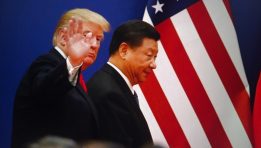
A potential meeting between Chinese President Xi Jinping and former US President Donald Trump is raising expectations for renewed dialogue
- omer bar
- •
- 7 Min Read
- •
- ago 24 hours
SKN | Oil Prices Extend Gains as Trump Questions Iran Ceasefire Prospects
Global oil markets continued their upward trajectory as renewed geopolitical uncertainty weighed on sentiment, following comments from US President Donald
- ago 24 hours
- •
- 7 Min Read
Global oil markets continued their upward trajectory as renewed geopolitical uncertainty weighed on sentiment, following comments from US President Donald

