


- Lior mor
- •
- 7 Min Read
- •
- 1 minute ago
Key Points
- Less than half of Ivory Coast’s cocoa exports can currently be traced back to farming cooperatives ahead of the EU’s anti-deforestation law implementation.
- The European Union’s upcoming regulations will require importers to prove commodities were not produced on deforested land.
- Industry analysts warn that weak traceability systems and indirect supply chains could complicate compliance for the world’s largest cocoa producer.

Traceability Progress Remains Limited
Ivory Coast’s cocoa industry is facing growing pressure as new European Union anti-deforestation rules approach implementation later this year.
According to analysis from non-profit organization Trase, only 48% of Ivory Coast’s 2024 cocoa exports can currently be traced back to the farming cooperatives that produced the beans. The figure has shown little improvement compared with a similar assessment conducted two years earlier.
The lack of progress raises concerns about whether the world’s largest cocoa producer will be able to fully comply with the European Union’s new environmental requirements.
Industry experts say one of the biggest challenges remains the widespread use of indirect supply chains involving multiple intermediaries between farmers and exporters.
EU Anti-Deforestation Rules Raise Compliance Pressure
Beginning in December, the European Union’s anti-deforestation regulation will require importers of commodities such as cocoa, coffee, soy, palm oil, and timber to demonstrate that products were not sourced from deforested land.
To comply, companies must trace raw materials back to the specific plots where they were grown.
The regulation has been promoted as one of the EU’s most significant climate-focused trade measures aimed at reducing global deforestation linked to agricultural expansion.
However, the law has also faced criticism from several trading partners, including Brazil, Indonesia, and the United States, which argue the compliance process is costly, complex, and difficult to implement across fragmented supply chains.
As part of broader trade discussions with President Donald Trump, the European Union has reportedly agreed to address some US concerns regarding the regulation.
Indirect Supply Chains Create Major Challenges
Trase warned that indirect cocoa supply systems continue limiting visibility into the origins of cocoa exports.
The organization said the structure makes it significantly harder for companies to address environmental and labor-related risks, including deforestation and child labor concerns.
Ivory Coast produces more than one-third of the world’s cocoa supply, with the European Union remaining its largest export destination. Roughly 66% of the country’s cocoa exports are shipped to EU markets.
The heavy dependence on European buyers means compliance with the regulation could become critically important for the country’s agricultural economy and export revenues.
Deforestation Concerns Remain Severe
Environmental concerns surrounding cocoa farming in West Africa remain substantial.
According to Trase, approximately 79% of Ivory Coast’s forests were either lost or degraded between 2000 and 2024. Cocoa expansion accounted for nearly half of the country’s forest loss during much of that period.
Although overall deforestation rates have slowed in recent years, analysts caution that the decline partly reflects the fact that relatively little forest area remains available.
Environmental groups continue emphasizing that deforestation remains one of the leading contributors to climate change globally, second only to fossil fuel emissions.
Digital Systems Aim to Improve Verification
In response to mounting regulatory pressure, Ivory Coast has introduced a digitalized purchasing and sales system designed to improve cocoa traceability and facilitate compliance verification.
Authorities hope the system will strengthen oversight across the supply chain and provide exporters with the documentation required under the EU framework.
Still, analysts say significant operational improvements may be needed before the country can achieve large-scale compliance across its fragmented cocoa sector.
The coming months are expected to be critical as exporters, cooperatives, and international buyers prepare for the regulation’s implementation deadline.
Comparison, examination, and analysis between investment houses
Leave your details, and an expert from our team will get back to you as soon as possible
* This article, in whole or in part, does not contain any promise of investment returns, nor does it constitute professional advice to make investments in any particular field.
To read more about the full disclaimer, click here
- sagi habasov
- •
- 7 Min Read
- •
- ago 13 hours
SKN | Xi–Trump Meeting Could Revive Agricultural Trade Talks, But China’s Soybean Demand Remains Structurally Weak
A potential meeting between Chinese President Xi Jinping and former US President Donald Trump is raising expectations for renewed dialogue
- ago 13 hours
- •
- 7 Min Read
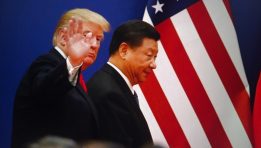
A potential meeting between Chinese President Xi Jinping and former US President Donald Trump is raising expectations for renewed dialogue

- omer bar
- •
- 7 Min Read
- •
- ago 14 hours
SKN | Oil Prices Extend Gains as Trump Questions Iran Ceasefire Prospects
Global oil markets continued their upward trajectory as renewed geopolitical uncertainty weighed on sentiment, following comments from US President Donald
- ago 14 hours
- •
- 7 Min Read

Global oil markets continued their upward trajectory as renewed geopolitical uncertainty weighed on sentiment, following comments from US President Donald
- sagi habasov
- •
- 7 Min Read
- •
- ago 2 days
SKN | Will Trump’s Rejection of Iran Peace Proposal Escalate Geopolitical Risk Across Global Markets?
Global financial markets are once again contending with heightened geopolitical uncertainty following reports that US President Donald Trump rejected a
- ago 2 days
- •
- 7 Min Read
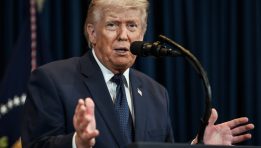
Global financial markets are once again contending with heightened geopolitical uncertainty following reports that US President Donald Trump rejected a

- Ronny Mor
- •
- 8 Min Read
- •
- ago 2 days
SKN | Oil Surges as Strait of Hormuz Remains Disrupted Following Trump’s Rejection of Iran Proposal
Global oil prices moved sharply higher after the Strait of Hormuz remained effectively constrained following reports that President Donald Trump
- ago 2 days
- •
- 8 Min Read

Global oil prices moved sharply higher after the Strait of Hormuz remained effectively constrained following reports that President Donald Trump


