


- Ronny Mor
- •
- 8 Min Read
- •
- 15 seconds ago
Key Points
- Oil prices jumped as shipping disruptions in the Strait of Hormuz intensified fears of global supply instability.
- President Donald Trump reportedly rejected an Iranian diplomatic proposal, increasing geopolitical uncertainty across energy markets.
- Investors are reassessing inflation risks, shipping security, and global growth expectations as crude volatility accelerates.

Global oil prices moved sharply higher after the Strait of Hormuz remained effectively constrained following reports that President Donald Trump rejected an Iranian diplomatic offer aimed at easing regional tensions. The renewed escalation has heightened concerns over crude supply security through one of the world’s most strategically important maritime corridors. Financial markets are now closely monitoring whether geopolitical tensions will remain contained or evolve into a broader disruption affecting energy flows, inflation expectations, and global trade conditions.
Hormuz Disruption Reignites Supply Shock Concerns
The Strait of Hormuz remains a central artery for global oil transportation, handling a significant share of internationally traded crude exports from the Middle East. Any sustained disruption to shipping activity in the region immediately raises concerns over physical supply shortages and delivery bottlenecks.
The latest market reaction reflects fears that geopolitical tensions may increasingly interfere with maritime logistics and regional energy infrastructure. Even limited interruptions in tanker movement can create significant volatility in futures markets, as traders rapidly price in potential supply risks.
Energy analysts have noted that the market’s sensitivity to Hormuz-related developments has increased due to already tight shipping conditions and persistent geopolitical uncertainty. This has contributed to a stronger geopolitical risk premium embedded in crude pricing, particularly across Brent and West Texas Intermediate benchmarks.
For Israeli and international investors, the situation also carries broader macroeconomic implications, as sustained energy price increases could influence inflation trajectories, transportation costs, and industrial production expenses across multiple sectors.
Trump’s Rejection of Iran Proposal Raises Diplomatic Tensions
Reports that President Trump rejected an Iranian diplomatic overture have added another layer of uncertainty to an already fragile geopolitical environment. While details regarding the proposal remain limited, the market interpreted the development as a signal that immediate de-escalation efforts may be losing momentum.
The rejection has reinforced concerns that negotiations between Washington and Tehran could become increasingly difficult, raising the probability of prolonged confrontation or further retaliatory measures. Financial markets typically respond negatively to uncertainty surrounding Middle East diplomacy because of the region’s critical importance to global energy supply chains.
Currency markets and safe-haven assets also reacted to the heightened tensions, with investors shifting toward defensive positioning as geopolitical risk sentiment deteriorated. Government bonds, gold, and the US dollar often attract stronger demand during periods of elevated geopolitical instability.
The broader strategic concern for markets is whether regional actors may become more directly involved, increasing the potential for wider spillover effects across global shipping and commodity markets.
Inflation Risks and Central Bank Challenges Return to Focus
Higher oil prices have once again placed inflation concerns at the center of global macroeconomic analysis. Rising energy costs can feed directly into transportation, manufacturing, and consumer prices, complicating monetary policy decisions for central banks already managing uneven economic growth.
For policymakers in the United States, Europe, and Asia, sustained crude price increases could reduce flexibility around interest rate cuts or monetary easing expectations. Markets are increasingly aware that geopolitical supply shocks can quickly reverse progress on inflation stabilization.
Equity markets also remain vulnerable to prolonged oil volatility. Energy-intensive industries such as airlines, logistics, chemicals, and manufacturing could face margin pressure if elevated fuel costs persist over an extended period. Conversely, energy producers and commodity-linked sectors may benefit from stronger pricing conditions.
Israeli financial markets may remain particularly sensitive given the broader regional security environment and its influence on investor sentiment across Middle Eastern assets.
Outlook: Markets Watch Diplomacy, Shipping Security, and Energy Flows
Looking ahead, investors will closely monitor developments surrounding maritime security in the Strait of Hormuz, diplomatic engagement between Washington and Tehran, and any signs of additional military escalation. Energy traders are expected to remain highly reactive to headlines involving tanker activity, regional infrastructure, and geopolitical negotiations.
Key risks include prolonged shipping disruptions, additional supply interruptions, and renewed inflationary pressure across major economies. On the other hand, any signs of successful diplomatic mediation or restored shipping stability could ease part of the geopolitical premium currently supporting crude prices.
Overall, the latest surge in oil prices underscores how quickly geopolitical developments in the Middle East can reshape global market sentiment, with energy markets continuing to serve as one of the most immediate transmission channels for geopolitical risk.
Comparison, examination, and analysis between investment houses
Leave your details, and an expert from our team will get back to you as soon as possible
* This article, in whole or in part, does not contain any promise of investment returns, nor does it constitute professional advice to make investments in any particular field.
To read more about the full disclaimer, click here
- Arik Arkadi Sluzki
- •
- 8 Min Read
- •
- ago 1 day
SKN | Qatar Pushes Another LNG Shipment Through Hormuz as Energy Markets Monitor Escalating Gulf Risks
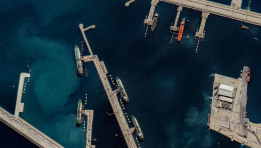
Qatar has reportedly made another attempt to move a liquefied natural gas (LNG) vessel through the Strait of Hormuz,
- ago 1 day
- •
- 8 Min Read
Qatar has reportedly made another attempt to move a liquefied natural gas (LNG) vessel through the Strait of Hormuz,

- Lior mor
- •
- 7 Min Read
- •
- ago 3 days
SKN | Oil Prices Surge as US–Iran Tensions Rekindle Supply Risk Concerns
Global oil markets recorded a notable upward move as renewed hostilities between the United States and Iran reignited concerns over
- ago 3 days
- •
- 7 Min Read

Global oil markets recorded a notable upward move as renewed hostilities between the United States and Iran reignited concerns over

- omer bar
- •
- 7 Min Read
- •
- ago 3 days
SKN | Fed’s Hammack Signals Rates Could Stay Elevated Amid Iran War Uncertainty
Fed Officials Signal Extended Pause Federal Reserve officials are increasingly signaling that interest rates could remain elevated for an extended
- ago 3 days
- •
- 7 Min Read

Fed Officials Signal Extended Pause Federal Reserve officials are increasingly signaling that interest rates could remain elevated for an extended

- sagi habasov
- •
- 8 Min Read
- •
- ago 3 days
SKN | DOJ Probes $2.6 Billion Oil Trades Placed Ahead of Iran War Announcements
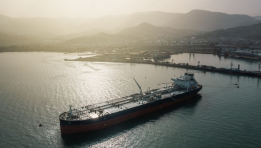
The US Department of Justice (DOJ) has reportedly launched an investigation into approximately $2.6 billion worth of oil market
- ago 3 days
- •
- 8 Min Read
The US Department of Justice (DOJ) has reportedly launched an investigation into approximately $2.6 billion worth of oil market

