


- Arik Arkadi Sluzki
- •
- 8 Min Read
- •
- 15 seconds ago
Key Points
- Qatar is attempting another LNG shipment through the Strait of Hormuz despite rising geopolitical tensions in the Gulf region.
- Global energy traders are closely monitoring shipping security as the waterway remains critical to oil and natural gas flows.
- European and Asian energy markets remain vulnerable to disruptions that could tighten global LNG supply and increase price volatility.
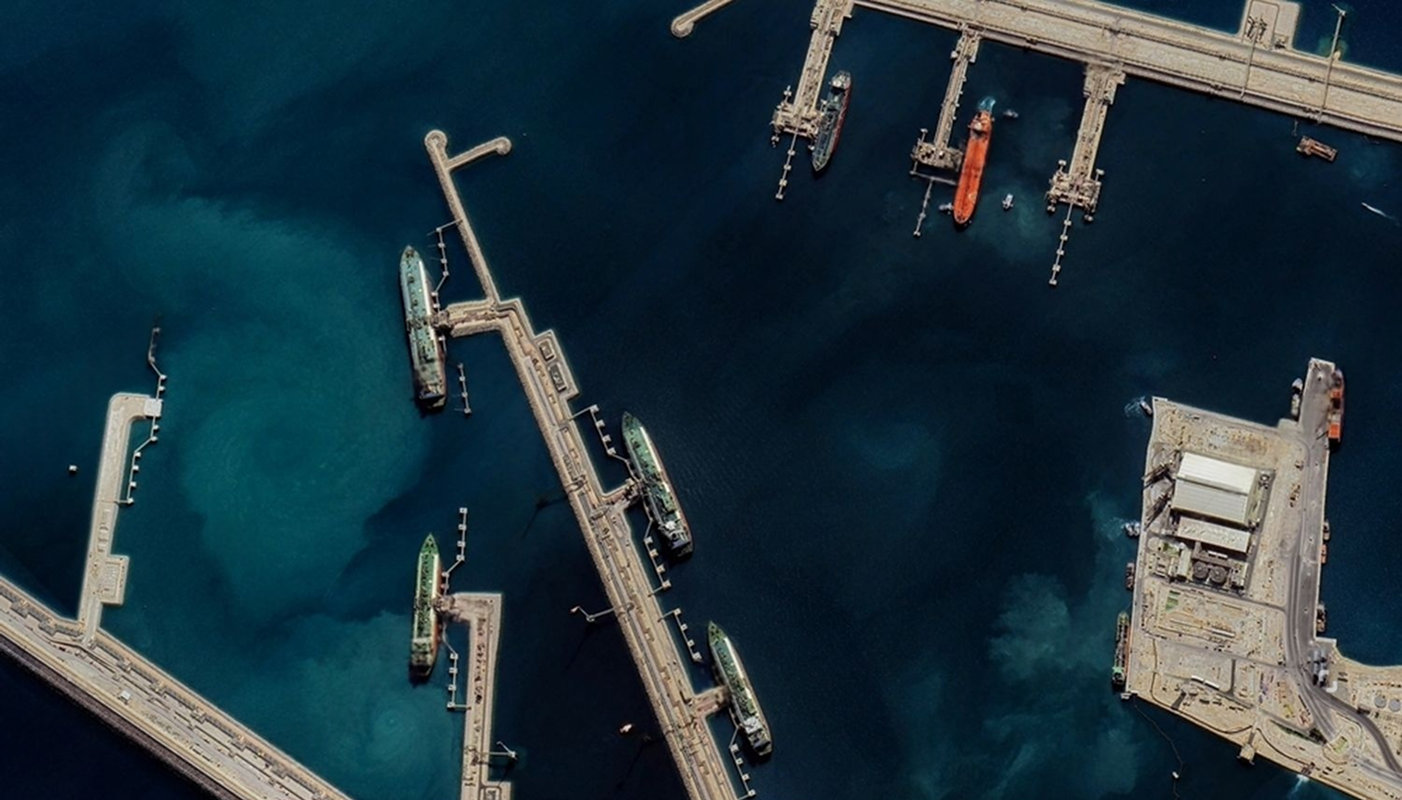
Qatar has reportedly made another attempt to move a liquefied natural gas (LNG) vessel through the Strait of Hormuz, underscoring the growing pressure on global energy supply chains as geopolitical tensions intensify in the Middle East. The strategic waterway remains one of the world’s most important maritime energy corridors, carrying a substantial portion of global oil and LNG exports.
The renewed shipping activity comes as investors, governments, and commodity traders assess the risk of further disruptions tied to regional instability involving Iran and broader Gulf security concerns. Energy markets have become increasingly sensitive to developments around Hormuz due to its central role in global hydrocarbon exports.
Hormuz Remains Critical to Global LNG Supply
The Strait of Hormuz is widely considered one of the most strategically important shipping lanes in the world. Roughly one-fifth of global oil consumption and a significant share of international LNG exports move through the narrow passage connecting the Persian Gulf to global markets.
Qatar, one of the world’s largest LNG exporters, relies heavily on uninterrupted maritime access through Hormuz to supply customers across Asia and Europe. The country has invested billions of dollars in expanding LNG production capacity in recent years, positioning itself as a key supplier amid growing global demand for cleaner-burning energy sources.
Any disruption to Qatari exports could have immediate implications for energy-importing regions, particularly Europe, which has increased dependence on LNG imports following the reduction of Russian pipeline gas flows after the Ukraine conflict.
Shipping insurers and freight operators have reportedly become increasingly cautious regarding Gulf transit routes. Elevated security risks can lead to higher insurance premiums, longer delivery times, and increased transportation costs, all of which contribute to volatility in energy pricing.
Energy Markets React to Supply Chain Risks
Oil and natural gas markets have shown heightened sensitivity to geopolitical developments in the Gulf region. Even without a formal closure of Hormuz, concerns over vessel safety and military escalation can trigger speculative price movements in global energy futures.
European gas benchmarks and Asian LNG spot prices have experienced periodic spikes during previous Gulf-related tensions, reflecting the market’s reliance on uninterrupted LNG shipments. Analysts note that global LNG supply remains relatively tight despite production growth in the United States and Qatar.
The implications extend beyond energy commodities. Equity markets often react negatively to major geopolitical supply disruptions, particularly sectors exposed to transportation, industrial manufacturing, and consumer spending. Airlines, logistics firms, and chemical manufacturers typically face increased operating costs when fuel prices rise sharply.
On the other hand, energy producers, shipping companies specializing in LNG transport, and some commodity-linked equities may experience stronger investor interest during periods of supply uncertainty. Israeli energy-related stocks and regional infrastructure firms could also attract attention if Eastern Mediterranean gas exports become strategically more important in Europe’s diversification efforts.
Regional Stability and Global Trade Remain Interconnected
The latest developments highlight how closely global trade stability is tied to Middle Eastern geopolitical conditions. Gulf shipping routes remain essential not only for oil and gas exports but also for broader international trade flows connecting Asia, Europe, and emerging markets.
Governments across Europe and Asia continue to monitor the situation carefully due to concerns over inflation, energy security, and industrial supply chains. Central banks are also watching commodity markets closely because sustained energy price increases could complicate inflation management and monetary policy decisions.
Meanwhile, Qatar’s continued efforts to maintain LNG shipments signal the importance of preserving its reputation as a reliable global supplier. The country has spent years expanding long-term energy partnerships with Europe and Asia, making uninterrupted export operations strategically significant.
Looking ahead, investors and policymakers will closely monitor whether Gulf tensions escalate further or stabilize through diplomatic channels. Energy market volatility, shipping security conditions, and LNG pricing trends are likely to remain central areas of focus in the coming weeks. Any sustained disruption around Hormuz could reshape short-term global energy flows, influence inflation expectations, and reinforce the strategic importance of alternative supply routes and diversified energy infrastructure.
Comparison, examination, and analysis between investment houses
Leave your details, and an expert from our team will get back to you as soon as possible
* This article, in whole or in part, does not contain any promise of investment returns, nor does it constitute professional advice to make investments in any particular field.
To read more about the full disclaimer, click here
- sagi habasov
- •
- 6 Min Read
- •
- ago 3 hours
SKN | Japanese Yen Currency Index Surges: Is the Mid-Week Breakout Signaling a New Era of BOJ Intervention?
The Japanese Yen Currency Index (^XDN) concluded a transformative trading week at 63.82, securing a net 5-day expansion of
- ago 3 hours
- •
- 6 Min Read

The Japanese Yen Currency Index (^XDN) concluded a transformative trading week at 63.82, securing a net 5-day expansion of

- omer bar
- •
- 6 Min Read
- •
- ago 4 hours
SKN | SSE Composite Surges 2.48% Weekly: Is the Chinese Market Poised for a Major Breakout Above 4,200?
The SSE Composite Index navigated a highly bullish trading week, ultimately settling at 4,179.95 to lock in a substantial
- ago 4 hours
- •
- 6 Min Read

The SSE Composite Index navigated a highly bullish trading week, ultimately settling at 4,179.95 to lock in a substantial

- Lior mor
- •
- 6 Min Read
- •
- ago 4 hours
SKN | DAX Index Consolidates Near 24,330: Is the German Benchmark Catching Its Breath Before Another Leg Higher?
The DAX Index (^GDAXI) navigated a highly dynamic week across European exchanges, ultimately settling at 24,338.63 to record a
- ago 4 hours
- •
- 6 Min Read
The DAX Index (^GDAXI) navigated a highly dynamic week across European exchanges, ultimately settling at 24,338.63 to record a

- Arik Arkadi Sluzki
- •
- 6 Min Read
- •
- ago 4 hours
SKN | Euronext 100 Consolidates Near 1,816: Is the European Blue-Chip Index Preparing for a Sustained Breakout?
The Euronext 100 Index (^N100) navigated a highly dynamic week across European exchanges, ultimately settling at 1,816.67 to record
- ago 4 hours
- •
- 6 Min Read
The Euronext 100 Index (^N100) navigated a highly dynamic week across European exchanges, ultimately settling at 1,816.67 to record

