


- sagi habasov
- •
- 7 Min Read
- •
- 8 minutes ago
Key Points
- A potential Xi–Trump summit may revive discussions on an agricultural trade deal between the US and China
- Despite diplomatic momentum, China’s soybean import demand remains limited due to shifting supply chains and domestic policy changes
- Agricultural markets are reassessing long-term export expectations, particularly for US soybean producers

A potential meeting between Chinese President Xi Jinping and former US President Donald Trump is raising expectations for renewed dialogue on agricultural trade, including possible soybean export agreements. However, underlying market conditions suggest that even if a deal materializes, China’s structural demand for US soybeans may remain constrained. The issue comes at a time when global agricultural trade flows are increasingly shaped by geopolitical considerations, supply chain diversification, and changing food security strategies.
Diplomatic Engagement and Agricultural Trade Prospects
Market participants are closely watching the possibility of a high-level Xi–Trump summit, which could reopen channels for a limited agricultural trade agreement similar to earlier phases of US–China trade negotiations. Soybeans have historically been a central component of trade discussions, given their strategic importance in animal feed, food production, and biofuel supply chains.
Any agreement would likely be viewed as a positive signal for US agricultural exporters, particularly in key producing states. However, expectations are tempered by the fact that previous trade arrangements did not fully restore pre-trade-war levels of Chinese demand for US soybeans, even during periods of formal commitments.
For global commodity markets, including Israeli importers and food-processing industries exposed to global grain pricing, such diplomatic developments are closely monitored as indicators of broader agricultural trade stability.
China’s Structural Shift in Soybean Import Demand
Despite potential diplomatic progress, China’s appetite for US soybeans has been structurally altered in recent years. One of the key shifts has been increased diversification of supply sources, with Brazil emerging as a dominant supplier in global soybean trade. This has reduced China’s reliance on US agricultural exports, even during periods of improved political relations.
In addition, domestic policy adjustments in China aimed at improving agricultural self-sufficiency have contributed to changes in import patterns. Investments in domestic feed production efficiency and alternative protein sourcing have also moderated long-term growth in soybean demand.
These structural factors suggest that even in the event of a trade agreement, incremental demand recovery for US soybeans may be limited compared with historical peaks.
Global Commodity Markets and Trade Flow Rebalancing
The soybean market remains a key benchmark for broader agricultural commodity sentiment, particularly due to its role in global feedstock supply chains. Futures pricing is highly sensitive to expectations of Chinese import demand, making diplomatic signals between Washington and Beijing an important driver of short-term volatility.
At the same time, global agricultural trade flows are increasingly fragmented, with countries prioritizing supply diversification and strategic food security policies. This trend reduces the likelihood of a single bilateral agreement fully restoring previous trade volumes.
For investors and market participants, including those in Israel exposed to global commodity-linked industries, soybean pricing dynamics serve as a proxy for broader shifts in global trade architecture and demand distribution across emerging and developed markets.
Outlook: Trade Signals Versus Structural Demand Reality
Looking ahead, markets will focus on whether diplomatic engagement between the United States and China translates into tangible agricultural trade commitments or remains largely symbolic. Key indicators will include Chinese import data, Brazilian export volumes, and US agricultural shipment figures over upcoming quarters.
Risks include continued displacement of US soybean exports by alternative suppliers, weaker-than-expected demand recovery even in the event of a trade deal, and volatility in agricultural futures markets driven by geopolitical headlines. On the other hand, renewed formal agreements could provide short-term support to pricing and improve export visibility for US producers.
Overall, while diplomatic momentum may temporarily support sentiment, structural changes in China’s import strategy suggest that soybean demand recovery is likely to remain limited, reinforcing a longer-term rebalancing of global agricultural trade flows.
Comparison, examination, and analysis between investment houses
Leave your details, and an expert from our team will get back to you as soon as possible
* This article, in whole or in part, does not contain any promise of investment returns, nor does it constitute professional advice to make investments in any particular field.
To read more about the full disclaimer, click here
- omer bar
- •
- 7 Min Read
- •
- ago 2 hours
SKN | Oil Prices Extend Gains as Trump Questions Iran Ceasefire Prospects
Global oil markets continued their upward trajectory as renewed geopolitical uncertainty weighed on sentiment, following comments from US President Donald
- ago 2 hours
- •
- 7 Min Read

Global oil markets continued their upward trajectory as renewed geopolitical uncertainty weighed on sentiment, following comments from US President Donald

- sagi habasov
- •
- 7 Min Read
- •
- ago 23 hours
SKN | Will Trump’s Rejection of Iran Peace Proposal Escalate Geopolitical Risk Across Global Markets?
Global financial markets are once again contending with heightened geopolitical uncertainty following reports that US President Donald Trump rejected a
- ago 23 hours
- •
- 7 Min Read
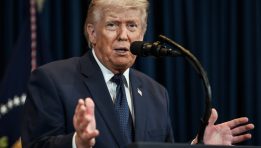
Global financial markets are once again contending with heightened geopolitical uncertainty following reports that US President Donald Trump rejected a

- Ronny Mor
- •
- 8 Min Read
- •
- ago 1 day
SKN | Oil Surges as Strait of Hormuz Remains Disrupted Following Trump’s Rejection of Iran Proposal
Global oil prices moved sharply higher after the Strait of Hormuz remained effectively constrained following reports that President Donald Trump
- ago 1 day
- •
- 8 Min Read

Global oil prices moved sharply higher after the Strait of Hormuz remained effectively constrained following reports that President Donald Trump

- Arik Arkadi Sluzki
- •
- 8 Min Read
- •
- ago 2 days
SKN | Qatar Pushes Another LNG Shipment Through Hormuz as Energy Markets Monitor Escalating Gulf Risks
Qatar has reportedly made another attempt to move a liquefied natural gas (LNG) vessel through the Strait of Hormuz,
- ago 2 days
- •
- 8 Min Read

Qatar has reportedly made another attempt to move a liquefied natural gas (LNG) vessel through the Strait of Hormuz,


