


- omer bar
- •
- 7 Min Read
- •
- 3 minutes ago
Key Points
- Oil prices extended gains after remarks from US President Donald Trump cast doubt on a potential ceasefire with Iran
- Geopolitical risk premium in crude markets is rising as traders reassess Middle East supply stability
- Energy markets remain highly sensitive to diplomatic signals, with volatility expected to persist

Global oil markets continued their upward trajectory as renewed geopolitical uncertainty weighed on sentiment, following comments from US President Donald Trump questioning the likelihood of a ceasefire agreement with Iran. The remarks have reinforced concerns over stability in the Middle East, a region central to global crude supply flows and shipping routes. For investors, the development adds another layer of risk premium to an already sensitive energy market environment shaped by fluctuating demand expectations and macroeconomic uncertainty.
Geopolitical Risk Repricing in Energy Markets
Crude oil prices extended gains as traders reassessed the probability of sustained diplomatic de-escalation between Washington and Tehran. Any deterioration in ceasefire expectations tends to elevate geopolitical risk premiums in oil markets, particularly given the strategic importance of the Strait of Hormuz, through which a significant portion of global oil shipments passes.
The latest developments have intensified focus on potential supply disruptions, even in the absence of immediate physical constraints. Historically, oil markets tend to price in future risk ahead of actual disruptions, meaning sentiment-driven moves often precede fundamental supply changes. This dynamic has returned to the forefront as geopolitical signals become increasingly fragmented.
For global investors, including those in Israel with exposure to energy-sensitive sectors, the shift underscores how quickly diplomatic developments can influence commodity pricing and broader inflation expectations.
Inflation Expectations and Macro Spillovers
Rising oil prices carry direct implications for global inflation trajectories. Energy remains a core input across transportation, manufacturing, and logistics, meaning sustained increases in crude benchmarks can quickly translate into broader price pressures. This is particularly relevant at a time when central banks are closely monitoring inflation persistence before adjusting monetary policy paths.
Higher energy costs may also complicate expectations around interest rate cuts in major economies, especially if inflation indicators begin to reflect renewed cost-push pressures. Bond markets have already shown sensitivity to energy-driven inflation risks, with yields reacting to shifts in commodity pricing trends.
In foreign exchange markets, oil-linked currencies and safe-haven flows are also responding to changing sentiment, with investors adjusting exposure based on perceived geopolitical escalation risks.
Market Positioning and Volatility Outlook
Energy traders are increasingly positioning for heightened volatility, as oil markets remain tightly linked to geopolitical headlines rather than purely demand-driven fundamentals. This environment tends to amplify short-term price swings, particularly when liquidity conditions are thin or directional signals are inconsistent.
At the same time, demand-side dynamics remain mixed. While global growth expectations have stabilized in some regions, industrial demand remains uneven, creating a backdrop where supply-side risk factors exert outsized influence on price direction.
Institutional investors are also reassessing hedging strategies across energy-linked portfolios, reflecting the growing importance of geopolitical risk management in commodity allocation decisions.
Outlook: Geopolitics and Supply Signals in Focus
Looking ahead, oil market direction will largely depend on the evolution of diplomatic relations between the United States and Iran, as well as any signals regarding energy infrastructure security in the Middle East. Traders are expected to closely monitor official statements, regional security developments, and shipping activity through key transit routes.
Key risks include further escalation in geopolitical tensions, renewed upward pressure on crude prices, and broader inflationary spillovers into global financial markets. On the other hand, any meaningful diplomatic progress could ease risk premiums and stabilize energy pricing conditions.
Overall, the oil market remains firmly anchored to geopolitical developments, with sentiment-driven pricing likely to dominate near-term trading behavior as investors balance supply risks against broader macroeconomic uncertainty.
Comparison, examination, and analysis between investment houses
Leave your details, and an expert from our team will get back to you as soon as possible
* This article, in whole or in part, does not contain any promise of investment returns, nor does it constitute professional advice to make investments in any particular field.
To read more about the full disclaimer, click here
- sagi habasov
- •
- 7 Min Read
- •
- ago 22 hours
SKN | Will Trump’s Rejection of Iran Peace Proposal Escalate Geopolitical Risk Across Global Markets?
Global financial markets are once again contending with heightened geopolitical uncertainty following reports that US President Donald Trump rejected a
- ago 22 hours
- •
- 7 Min Read

Global financial markets are once again contending with heightened geopolitical uncertainty following reports that US President Donald Trump rejected a

- Ronny Mor
- •
- 8 Min Read
- •
- ago 1 day
SKN | Oil Surges as Strait of Hormuz Remains Disrupted Following Trump’s Rejection of Iran Proposal
Global oil prices moved sharply higher after the Strait of Hormuz remained effectively constrained following reports that President Donald Trump
- ago 1 day
- •
- 8 Min Read
Global oil prices moved sharply higher after the Strait of Hormuz remained effectively constrained following reports that President Donald Trump

- Arik Arkadi Sluzki
- •
- 8 Min Read
- •
- ago 2 days
SKN | Qatar Pushes Another LNG Shipment Through Hormuz as Energy Markets Monitor Escalating Gulf Risks
Qatar has reportedly made another attempt to move a liquefied natural gas (LNG) vessel through the Strait of Hormuz,
- ago 2 days
- •
- 8 Min Read
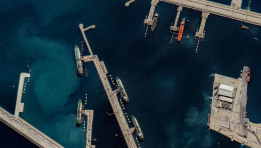
Qatar has reportedly made another attempt to move a liquefied natural gas (LNG) vessel through the Strait of Hormuz,

- Lior mor
- •
- 7 Min Read
- •
- ago 4 days
SKN | Oil Prices Surge as US–Iran Tensions Rekindle Supply Risk Concerns
Global oil markets recorded a notable upward move as renewed hostilities between the United States and Iran reignited concerns over
- ago 4 days
- •
- 7 Min Read
Global oil markets recorded a notable upward move as renewed hostilities between the United States and Iran reignited concerns over


