


- Ronny Mor
- •
- 7 Min Read
- •
- 8 seconds ago
Key Points
- A new ruling on tariffs linked to Donald Trump’s trade policy introduces renewed legal and policy uncertainty for global businesses
- Companies across manufacturing, technology, and retail may face shifting cost structures and supply chain recalibration
- Markets are reassessing trade exposure as legal and political dynamics intersect with global growth expectations
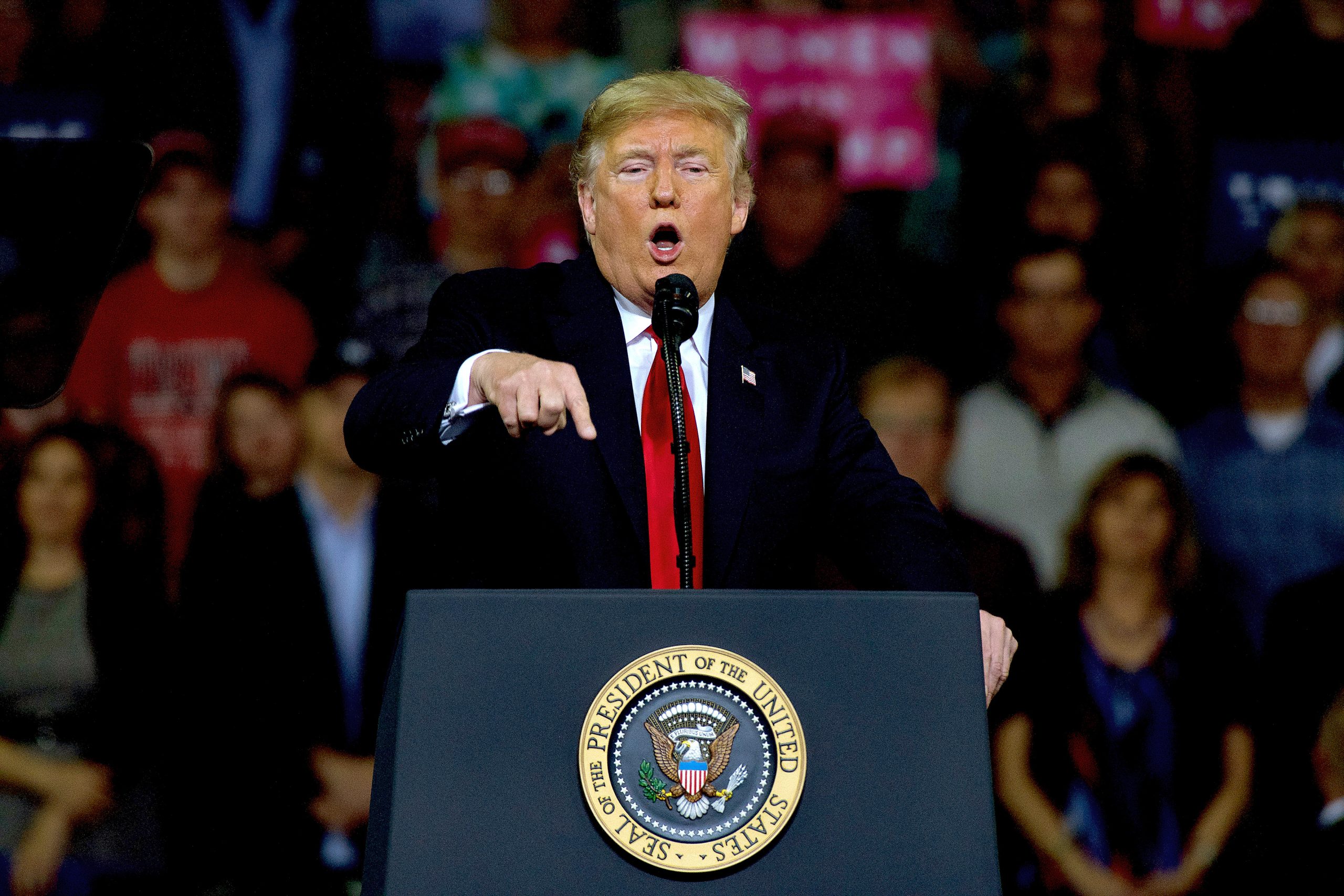
A recent ruling tied to tariffs introduced during Donald Trump’s administration has revived uncertainty around global trade policy, raising questions about long-term cost structures for multinational corporations. The development comes at a time when businesses are already navigating fragile supply chains, uneven global demand, and shifting geopolitical alliances. For investors, the ruling underscores how legal interpretations of trade policy can have direct macroeconomic and sector-wide implications.
Legal Uncertainty Reopens Trade Policy Debate
The ruling adds a new layer of complexity to the tariff framework established during Trump’s presidency, which imposed broad duties on a range of imports, particularly from China. While parts of the tariff regime remain in effect, ongoing legal scrutiny has created uncertainty over how these measures may be enforced or adjusted going forward.
For businesses, the key issue is predictability. Trade policy uncertainty tends to weigh on corporate planning cycles, capital expenditure decisions, and long-term supply chain investments. Companies with globally integrated production networks are particularly exposed, as tariff changes can quickly alter input costs and profit margins.
The ruling also highlights the broader role of courts in shaping trade policy, where legal interpretation increasingly intersects with geopolitical strategy. This creates a less linear policy environment, where regulatory outcomes can shift based on judicial review rather than executive action alone.
Corporate Supply Chains Under Pressure
Multinational corporations, especially in manufacturing, electronics, and consumer goods, continue to operate within highly fragmented global supply chains. Tariffs can significantly influence sourcing decisions, forcing companies to reassess supplier relationships and production locations.
Increased import duties typically translate into higher input costs, which may be absorbed by companies or passed on to consumers depending on competitive conditions. In sectors with tight margins, even marginal tariff adjustments can affect profitability and investment plans.
For global markets, including Israeli export-oriented industries and technology manufacturers integrated into US and Asian supply chains, the ruling reinforces the importance of trade policy as a structural input into earnings expectations. Currency exposure and logistics costs may also become more volatile if tariff frameworks remain unsettled.
Market Implications and Sector Sensitivity
Financial markets tend to react to trade policy developments through shifts in risk sentiment rather than immediate fundamental changes. Equity sectors most sensitive to global trade flows—such as industrials, semiconductors, and retail—often experience increased volatility when tariff frameworks are uncertain.
At the same time, safe-haven flows may strengthen during periods of heightened policy ambiguity, supporting demand for government bonds and defensive equities. Currency markets can also respond, particularly currencies linked to export-heavy economies.
For investors, the key transmission channel remains earnings visibility. Companies with diversified supply chains and pricing flexibility are generally better positioned to absorb tariff-related shocks, while those with concentrated exposure to specific trade corridors may face higher earnings volatility.
Outlook: Trade Policy as a Structural Market Driver
Looking ahead, the impact of the ruling will depend on whether it leads to broader legal or political reassessments of tariff structures. Businesses are likely to remain cautious, particularly in capital-intensive sectors where long-term planning is essential.
Key risks include renewed escalation in trade disputes, fragmented global supply chains, and increased cost pressures for import-dependent industries. On the other hand, companies that adapt through supply chain diversification or regional production strategies may reduce exposure to future policy shocks.
Overall, the ruling reinforces a broader market reality: trade policy is no longer a static backdrop but an active and evolving driver of corporate strategy, pricing power, and global investment flows.
Comparison, examination, and analysis between investment houses
Leave your details, and an expert from our team will get back to you as soon as possible
* This article, in whole or in part, does not contain any promise of investment returns, nor does it constitute professional advice to make investments in any particular field.
To read more about the full disclaimer, click here
- omer bar
- •
- 7 Min Read
- •
- ago 48 minutes
SKN | Can US–China Diplomacy Hold Steady as Iran Tensions Add Geopolitical Pressure?
The planned summit between US President Donald Trump and Chinese President Xi Jinping is continuing as scheduled, even as Beijing
- ago 48 minutes
- •
- 7 Min Read
The planned summit between US President Donald Trump and Chinese President Xi Jinping is continuing as scheduled, even as Beijing

- Lior mor
- •
- 7 Min Read
- •
- ago 1 hour
SKN | Can Lula and Trump Reset US–Brazil Trade Relations as Optimism Returns to Markets?
Brazilian President Luiz Inácio Lula da Silva emerged from discussions with President Donald Trump expressing optimism regarding future trade relations
- ago 1 hour
- •
- 7 Min Read
Brazilian President Luiz Inácio Lula da Silva emerged from discussions with President Donald Trump expressing optimism regarding future trade relations

- Ronny Mor
- •
- 7 Min Read
- •
- ago 2 hours
SKN | Will US Strikes on Iranian Targets Deepen Middle East Market Volatility?
The United States has launched strikes on Iranian-linked targets as President Donald Trump renewed demands for Tehran to accept a
- ago 2 hours
- •
- 7 Min Read

The United States has launched strikes on Iranian-linked targets as President Donald Trump renewed demands for Tehran to accept a
- Lior mor
- •
- 6 Min Read
- •
- ago 2 days
SKN | Could De-Escalation in Iran Unlock Trillions in Global Growth Potential?
The ongoing tensions surrounding Iran have long been a defining factor in global energy markets and geopolitical risk pricing.
- ago 2 days
- •
- 6 Min Read
The ongoing tensions surrounding Iran have long been a defining factor in global energy markets and geopolitical risk pricing.

