


- Ronny Mor
- •
- 7 Min Read
- •
- 7 minutes ago
Key Points
- US military action against Iranian-linked targets has intensified geopolitical tensions and increased uncertainty across global markets
- President Donald Trump has reportedly pressured Tehran to accept a broader diplomatic arrangement while maintaining a hardline security posture
- Energy markets, safe-haven assets, and currency flows remain highly sensitive to escalation risks in the Middle East
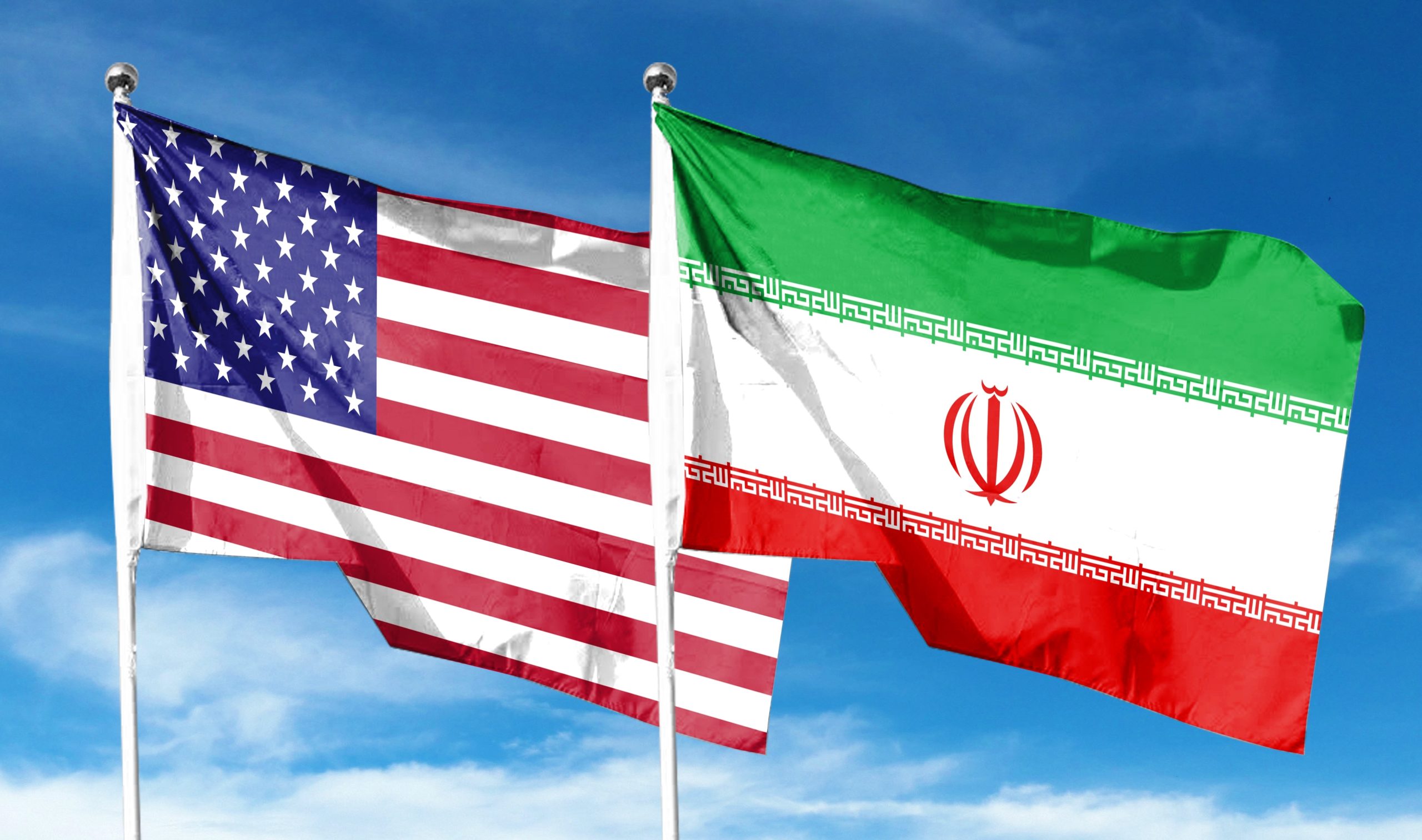
The United States has launched strikes on Iranian-linked targets as President Donald Trump renewed demands for Tehran to accept a diplomatic deal, escalating geopolitical tensions across the Middle East. The developments have injected fresh uncertainty into global financial markets, particularly in energy, commodities, and foreign exchange trading. Investors are closely monitoring whether the confrontation remains contained or evolves into a broader regional conflict with implications for inflation, trade flows, and global risk sentiment.
Geopolitical Escalation Reshapes Market Sentiment
The latest US military actions have reinforced concerns about instability in one of the world’s most strategically important energy-producing regions. While details surrounding the scale and duration of the strikes remain limited, market participants have reacted cautiously, reassessing geopolitical risk exposure across commodities and emerging markets.
Historically, tensions involving Iran have had immediate implications for crude oil prices due to the country’s proximity to key shipping routes, including the Strait of Hormuz. Any threat to regional supply infrastructure or transportation channels can rapidly influence global energy pricing and inflation expectations.
For Israeli markets and regional investors, the escalation carries additional significance given the broader security environment in the Middle East. Israeli equities and shekel-denominated assets often react to shifts in regional risk perception, particularly when geopolitical events intersect with global macro uncertainty.
Trump’s Diplomatic Pressure and Strategic Messaging
Alongside military action, President Trump has reportedly intensified calls for Tehran to accept a negotiated arrangement aimed at limiting further confrontation. The dual-track approach of military pressure combined with diplomatic demands reflects a broader US strategy of attempting to force negotiations from a position of strength.
However, the effectiveness of such a strategy remains uncertain. Iran’s leadership has historically resisted negotiations perceived as being conducted under coercive conditions, raising concerns that escalation risks could persist even if both sides publicly signal openness to diplomacy.
Financial markets are particularly sensitive to this uncertainty because prolonged geopolitical standoffs tend to increase volatility across oil, gold, and currency markets. Defensive positioning often strengthens during periods of heightened tension, benefiting safe-haven assets such as the US dollar, gold, and government bonds.
Energy Markets and Global Inflation Risks Return to Focus
The confrontation has once again placed energy markets at the center of global macroeconomic concerns. Oil traders are closely monitoring whether the escalation could disrupt regional production or shipping activity, particularly as global supply conditions remain vulnerable to geopolitical shocks.
Higher energy prices could complicate the outlook for central banks already navigating uneven inflation trends and slowing economic growth. For policymakers in the United States, Europe, and Asia, renewed commodity inflation could delay expectations for monetary easing and tighten financial conditions further.
At the same time, broader equity markets remain vulnerable to sharp shifts in risk appetite. Sectors heavily exposed to transportation, manufacturing, and energy consumption could face renewed pressure if crude prices remain elevated for an extended period.
Outlook: Markets Watch for Containment or Wider Regional Spillover
Looking ahead, investors will closely monitor diplomatic developments, military responses, and signals from regional actors regarding the likelihood of further escalation. Markets are likely to remain highly reactive to headlines involving energy infrastructure, shipping security, and international mediation efforts.
Key risks include disruptions to oil exports, rising inflation expectations, and increased volatility across currency and equity markets. On the other hand, signs of de-escalation or renewed diplomatic engagement could help stabilize risk sentiment and reduce pressure on commodity prices.
Overall, the latest confrontation underscores how geopolitical developments in the Middle East continue to influence global capital flows, inflation expectations, and investor positioning across international markets.
Comparison, examination, and analysis between investment houses
Leave your details, and an expert from our team will get back to you as soon as possible
* This article, in whole or in part, does not contain any promise of investment returns, nor does it constitute professional advice to make investments in any particular field.
To read more about the full disclaimer, click here
- Lior mor
- •
- 6 Min Read
- •
- ago 2 days
SKN | Could De-Escalation in Iran Unlock Trillions in Global Growth Potential?
The ongoing tensions surrounding Iran have long been a defining factor in global energy markets and geopolitical risk pricing.
- ago 2 days
- •
- 6 Min Read
The ongoing tensions surrounding Iran have long been a defining factor in global energy markets and geopolitical risk pricing.
- Lior mor
- •
- 6 Min Read
- •
- ago 3 days
SKN | US-Iran Ceasefire Under Pressure as Hormuz Tensions Escalate—What It Means for Global Markets
The fragile US-Iran ceasefire is facing renewed pressure as tensions escalate around the Strait of Hormuz, a critical artery
- ago 3 days
- •
- 6 Min Read
The fragile US-Iran ceasefire is facing renewed pressure as tensions escalate around the Strait of Hormuz, a critical artery

- Ronny Mor
- •
- 6 Min Read
- •
- ago 4 days
SKN | China Defies US Sanctions in Rare Move, Raising Stakes for Global Banking System
FChina has taken an unprecedented step by instructing companies not to comply with specific US sanctions, marking a significant shift
- ago 4 days
- •
- 6 Min Read

FChina has taken an unprecedented step by instructing companies not to comply with specific US sanctions, marking a significant shift
- Lior mor
- •
- 7 Min Read
- •
- ago 4 days
SKN | Trump Signals U.S. Intervention in Hormuz as Maritime Risk Escalates for Trapped Shipping Vessels
Global energy and shipping markets came under renewed focus after former U.S. President Donald Trump stated that the United States
- ago 4 days
- •
- 7 Min Read
Global energy and shipping markets came under renewed focus after former U.S. President Donald Trump stated that the United States

