


- Lior mor
- •
- 6 Min Read
- •
- 7 seconds ago
Key Points
- Geopolitical easing in Iran could reshape energy and trade flows, unlocking significant economic potential.
- Global markets may benefit from reduced risk premiums, particularly in oil and shipping sectors.
- Israel and the Middle East stand at the center of potential economic transformation if tensions decline.
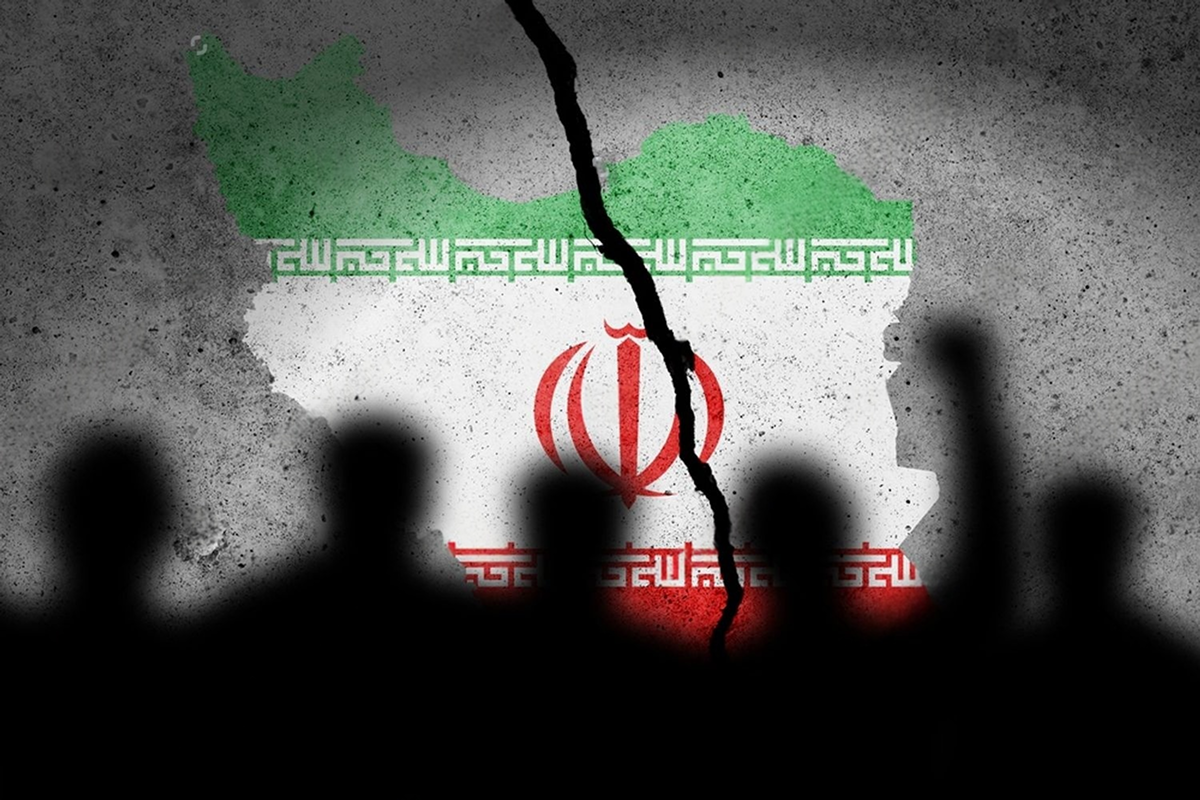
The ongoing tensions surrounding Iran have long been a defining factor in global energy markets and geopolitical risk pricing. However, analysts suggest that a potential de-escalation or structural shift in the conflict could unlock as much as $10 trillion in long-term global economic value, driven by increased trade, lower energy costs, and enhanced regional integration.
Energy Markets and the Removal of Risk Premiums
One of the most immediate impacts of reduced tensions involving Iran would be in the global oil market. Currently, geopolitical risks in the region contribute to a premium embedded in oil prices, particularly due to concerns over supply disruptions in key transit routes such as the Strait of Hormuz.
If tensions ease, this premium could diminish, potentially leading to more stable and possibly lower energy prices. This would benefit energy-importing economies while also influencing inflation dynamics globally.
At the same time, Iran’s reintegration into global energy markets could increase supply, further reshaping pricing structures and competitive dynamics within OPEC and global oil production.
Trade Expansion and Regional Economic Integration
Beyond energy, a shift in Iran’s geopolitical positioning could enable broader trade expansion across the Middle East and Asia. Improved diplomatic relations and reduced sanctions could open new trade corridors, facilitating the movement of goods, capital, and technology.
Infrastructure investment, including ports, pipelines, and logistics networks, could accelerate as regional cooperation improves. This would support economic growth not only in Iran but also across neighboring countries.
For Israel, such developments could be particularly significant. Increased regional stability may enhance opportunities for technology exports, energy collaboration, and cross-border investment, strengthening its role in a more integrated Middle Eastern economy.
Financial Markets and Capital Flow Dynamics
Financial markets are highly sensitive to geopolitical risk, and a reduction in tensions involving Iran could lead to a reallocation of capital. Lower risk premiums may drive increased investment into emerging markets and sectors previously constrained by uncertainty.
Equity markets could benefit from improved sentiment, particularly in industries tied to global trade, energy, and infrastructure. At the same time, bond markets may reflect changing risk assessments, with potential declines in yields for countries previously affected by geopolitical instability.
The estimated $10 trillion growth potential reflects not only direct economic gains but also the multiplier effects of increased confidence, investment, and productivity across global markets.
However, this scenario is contingent on sustained diplomatic progress and structural changes in regional dynamics. Without such developments, the economic benefits may remain theoretical.
Looking ahead, investors will closely monitor geopolitical developments, energy market trends, and policy signals related to Iran and the broader Middle East. The potential for significant economic expansion exists, but it is accompanied by considerable uncertainty. Key factors to watch include diplomatic negotiations, sanctions policies, and shifts in global trade patterns. If conditions align, the region could transition from a source of risk to a driver of growth, reshaping global economic trajectories in the years to come.
Comparison, examination, and analysis between investment houses
Leave your details, and an expert from our team will get back to you as soon as possible
* This article, in whole or in part, does not contain any promise of investment returns, nor does it constitute professional advice to make investments in any particular field.
To read more about the full disclaimer, click here
- sagi habasov
- •
- 6 Min Read
- •
- ago 16 hours
SKN | Venezuela’s Inflation Slows to 10.6%—Is Stabilization Finally Taking Hold or Just a Temporary Pause?
Venezuela’s inflation rate showed signs of easing, with monthly price growth slowing to 10.6% in April from 13.1% in the
- ago 16 hours
- •
- 6 Min Read

Venezuela’s inflation rate showed signs of easing, with monthly price growth slowing to 10.6% in April from 13.1% in the

- Lior mor
- •
- 6 Min Read
- •
- ago 21 hours
SKN | US-Iran Ceasefire Under Pressure as Hormuz Tensions Escalate—What It Means for Global Markets
The fragile US-Iran ceasefire is facing renewed pressure as tensions escalate around the Strait of Hormuz, a critical artery
- ago 21 hours
- •
- 6 Min Read
The fragile US-Iran ceasefire is facing renewed pressure as tensions escalate around the Strait of Hormuz, a critical artery

- Ronny Mor
- •
- 6 Min Read
- •
- ago 1 day
SKN | China Defies US Sanctions in Rare Move, Raising Stakes for Global Banking System
FChina has taken an unprecedented step by instructing companies not to comply with specific US sanctions, marking a significant shift
- ago 1 day
- •
- 6 Min Read

FChina has taken an unprecedented step by instructing companies not to comply with specific US sanctions, marking a significant shift
- Lior mor
- •
- 7 Min Read
- •
- ago 2 days
SKN | Trump Signals U.S. Intervention in Hormuz as Maritime Risk Escalates for Trapped Shipping Vessels
Global energy and shipping markets came under renewed focus after former U.S. President Donald Trump stated that the United States
- ago 2 days
- •
- 7 Min Read
Global energy and shipping markets came under renewed focus after former U.S. President Donald Trump stated that the United States

