


- Lior mor
- •
- 8 Min Read
- •
- 17 seconds ago
Key Points
- China’s intervention reinforces AI as a core national security priority, limiting foreign acquisitions.
- Meta faces strategic delays, highlighting rising barriers to global expansion in advanced technologies.
- Geopolitical risk is now a central factor shaping valuations and investment strategies in the AI sector.
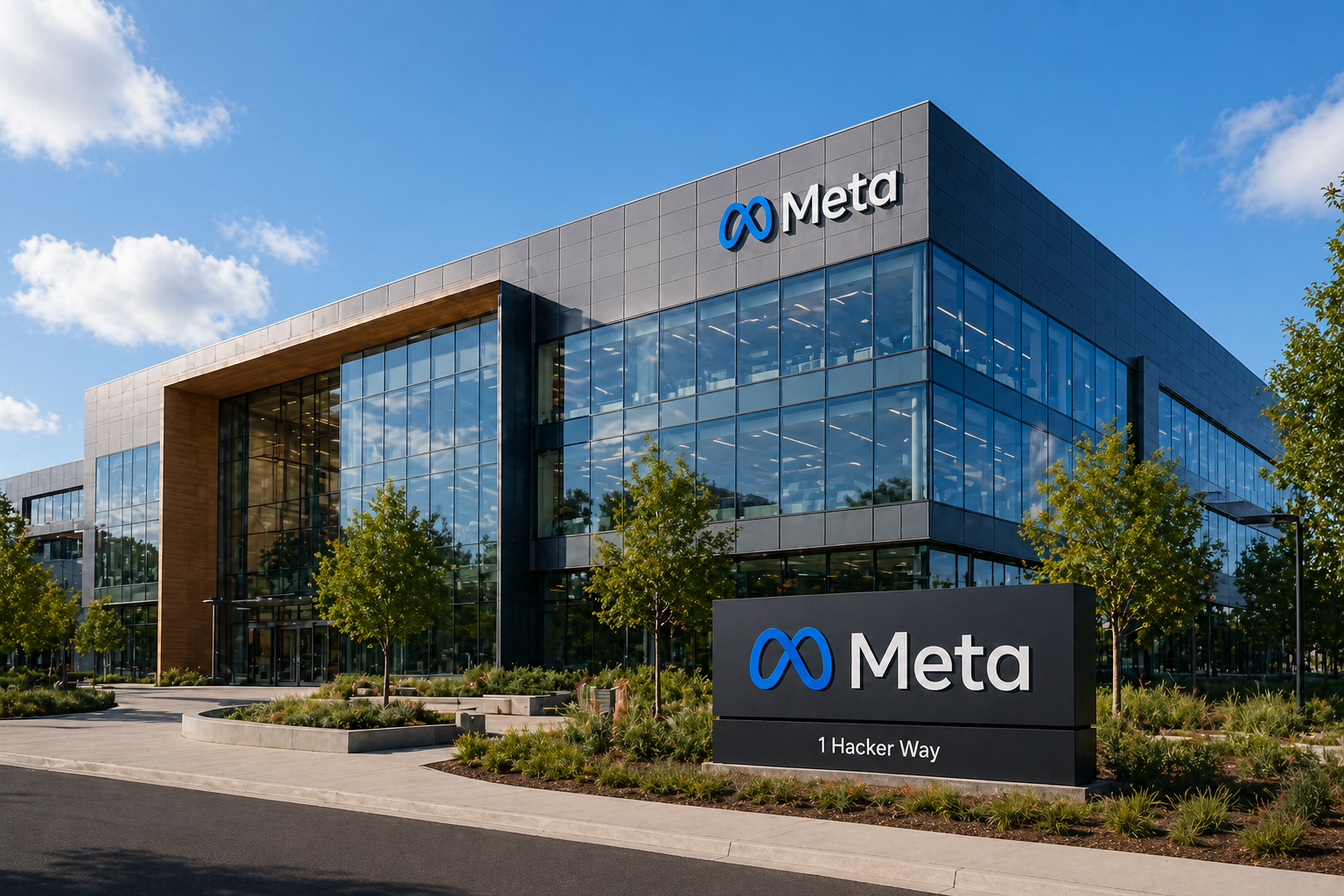
China’s decision to block Meta’s $2 billion acquisition of AI startup Manus underscores a deepening strategic divide between Washington and Beijing, as both powers intensify efforts to dominate next-generation technologies. The intervention by China’s National Development and Reform Commission (NDRC) reflects a broader recalibration of global capital flows, where geopolitical priorities increasingly override commercial logic, particularly in sectors deemed critical to national security such as artificial intelligence.
Beijing Tightens Grip on Strategic AI Assets
The cancellation of the Meta-Manus deal highlights China’s growing resolve to retain control over domestic AI innovation. Manus, once celebrated as a potential successor to emerging AI leaders, represents not just technological capability but also a concentration of high-value talent and proprietary systems. By preventing the transfer of such assets to a U.S. firm, Beijing is signaling that AI is no longer merely a commercial sector—it is a strategic pillar.
This shift mirrors earlier policies targeting semiconductor exports, but extends the scope into intellectual property and human capital. The decision also reinforces a key message: relocating headquarters abroad, as Manus did by moving to Singapore, does not exempt firms from Chinese regulatory oversight. For global investors, this raises new concerns around jurisdictional risk and the true portability of innovation-driven companies.
Meta’s Strategic Setback and Industry Implications
For Meta, the blocked acquisition represents more than a failed deal—it disrupts a broader push to strengthen its position in advanced AI agents, a segment seen as the next evolution beyond traditional chatbots. These systems, capable of executing complex tasks autonomously, are central to the future of enterprise and consumer applications.
The inability to secure Manus may force Meta to accelerate internal development or pursue alternative partnerships, potentially at higher cost and longer timelines. At the same time, the move could dampen cross-border M&A activity in the AI space, as regulatory uncertainty increases the risk premium attached to such transactions.
From a market perspective, this introduces a structural shift. Investors are no longer evaluating AI companies solely on innovation metrics or revenue potential but must now factor in geopolitical alignment, regulatory exposure, and supply chain independence.
Escalating U.S.-China Tensions in Frontier Technologies
The timing of the decision adds complexity to already strained U.S.-China relations, particularly ahead of a planned summit between Donald Trump and Xi Jinping. What was once a trade-centric rivalry has evolved into a multi-layered contest over technological supremacy.
Washington’s export controls aimed at restricting China’s access to advanced chips have already reshaped global supply chains. Beijing’s latest move suggests a reciprocal strategy—protecting domestic capabilities while limiting foreign influence. This dynamic creates a feedback loop where each side’s defensive policies provoke further escalation, increasing uncertainty across global markets.
For institutional investors, particularly in the U.S. and Israel, this environment demands a reassessment of exposure to cross-border tech ventures. The interplay between regulation and innovation is becoming a defining factor in asset allocation decisions, especially within the AI sector.
What Comes Next for Global AI Investments?
Looking ahead, the blocking of the Meta-Manus deal may mark a turning point in how AI investments are structured and executed. Companies may increasingly favor domestic partnerships or “friendly” jurisdictions to mitigate regulatory risks. Meanwhile, governments are likely to expand oversight frameworks, further blurring the line between economic policy and national security.
The key variables to monitor include upcoming policy signals from both Washington and Beijing, shifts in venture capital flows, and the pace of AI development within isolated ecosystems. While opportunities in AI remain substantial, the path forward is becoming more fragmented, requiring a more nuanced approach to risk management and strategic positioning.
Comparison, examination, and analysis between investment houses
Leave your details, and an expert from our team will get back to you as soon as possible
* This article, in whole or in part, does not contain any promise of investment returns, nor does it constitute professional advice to make investments in any particular field.
To read more about the full disclaimer, click here
- orshu
- •
- 5 Min Read
- •
- ago 1 hour
SKN | The POET Surge: Is the AI “Dark Horse” Ready for the Big Leagues?
While established semiconductor giants struggle to maintain explosive growth, POET Technologies (NASDAQ: POET) has emerged as one of Wall
- ago 1 hour
- •
- 5 Min Read
While established semiconductor giants struggle to maintain explosive growth, POET Technologies (NASDAQ: POET) has emerged as one of Wall
- orshu
- •
- 5 Min Read
- •
- ago 2 hours
SKN | Overtaking the Competition: SK Hynix Smashes Records with Historic $35 Billion Quarter
While the global semiconductor market experiences volatility, Nvidia's primary memory supplier, SK Hynix, has achieved an unprecedented milestone. With
- ago 2 hours
- •
- 5 Min Read
While the global semiconductor market experiences volatility, Nvidia's primary memory supplier, SK Hynix, has achieved an unprecedented milestone. With
- Lior mor
- •
- 8 Min Read
- •
- ago 4 days
SKN | Is Xpeng Betting on the Future with Flying Cars and Robots by 2027
Chinese electric vehicle maker Xpeng is positioning itself at the intersection of next generation mobility and artificial intelligence, signaling ambitions
- ago 4 days
- •
- 8 Min Read
Chinese electric vehicle maker Xpeng is positioning itself at the intersection of next generation mobility and artificial intelligence, signaling ambitions
- Ronny Mor
- •
- 8 Min Read
- •
- ago 4 days
SKN | Is Alibaba’s Qwen App Redefining Travel Booking with AI-Powered Conversations?
Alibaba Group Holding Ltd. is expanding the role of artificial intelligence in everyday consumer interactions, embedding flight booking capabilities directly
- ago 4 days
- •
- 8 Min Read
Alibaba Group Holding Ltd. is expanding the role of artificial intelligence in everyday consumer interactions, embedding flight booking capabilities directly

